
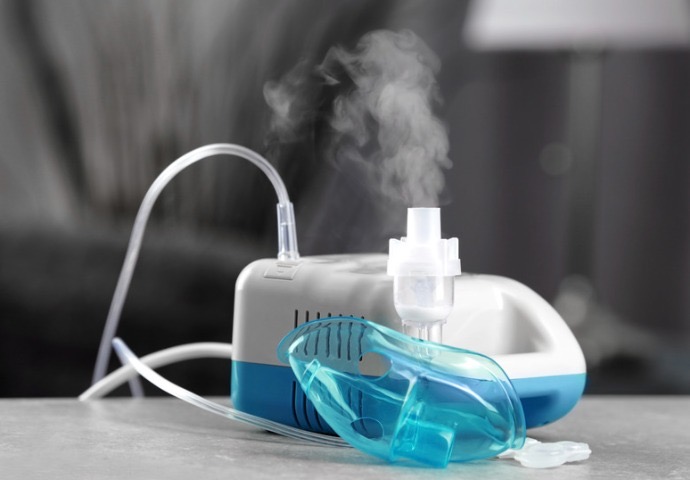
Inhalation is a method of introducing drugs or humidified air into the body by inhaling vapors, aerosols or gases. This method is widely used in medicine to treat diseases of the respiratory system, such as bronchitis, asthma, rhinitis, pneumonia and allergic reactions. Inhalations allow medications to have a direct effect on the mucous membrane of the respiratory tract, which provides rapid relief of symptoms and a reduction in inflammation.
There are several types of inhalations: steam, in which warm therapeutic vapors are inhaled (for example, with decoctions of herbs or essential oils) and nebulizer, where the drug is sawn in the form of a finely dispersed aerosol. Steam inhalations are useful for moisturizing the mucous membranes and soothing coughs, while nebulizer methods allow drugs to be delivered deep into the lungs and bronchi.
Inhalation therapy has advantages over oral administration of the drug, since it ensures rapid absorption of active substances and minimizes systemic effects on the body. However, if carried out incorrectly, side effects such as respiratory irritation or allergic reactions are possible, so it is advisable to consult a doctor before use.