
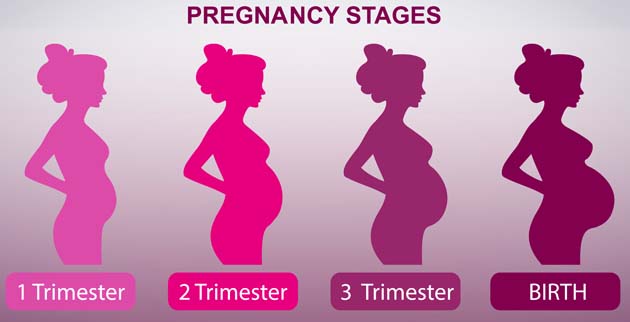
Pregnancy lasts approximately 40 weeks and is conventionally divided into three trimesters, each of which has its own physiological characteristics, changes in the woman’s body and stages of fetal development. This division helps doctors and expectant parents to better navigate how the pregnancy proceeds and what medical examinations or support are needed at each stage.
The first trimester (1-12 weeks) is the period of the most intense changes. Hormonal changes occur in a woman’s body, nausea, weakness, mood swings may appear. At this time, the main organs and systems of the fetus are formed, so the first trimester is considered the most critical in terms of the impact of negative factors (infections, drugs, stress). At the end of the trimester, the fetus already has a human form and is actively developing.
The second trimester (13-27 weeks) is a period of relative stability. Toxicosis disappears, fatigue decreases, and well-being improves. At this time, the belly is actively growing, the first movements of the fetus appear, internal organs are formed, and bones are also strengthened. The expectant mother undergoes screenings, ultrasound examinations and other important examinations.
The third trimester (28-40 weeks) is preparation for childbirth. The kid is actively gaining weight, the lungs and nervous system are maturing. A woman may experience stress on her back, legs, frequent urination, sleep disturbances. Regular follow-up with a doctor to monitor fetal development, body position, and placental condition plays an important role. At this time, psycho-emotional preparation for the birth of a child is also being prepared.