
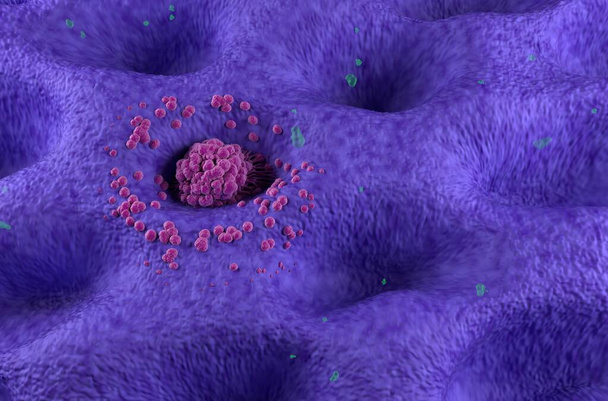
Mucosa is a specialized type of tissue that lines the internal surfaces of organs and body cavities in contact with the external environment. It covers the respiratory tract, gastrointestinal tract, genitourinary system, as well as the inner surface of the eyelids and nasal passages. The main function of the mucous membrane is to protect organs from mechanical damage, infections and dehydration, as well as to participate in the processes of absorption, secretion and immune protection.
The mucous membrane consists of an epithelial layer, connective tissue and its own glands that produce mucus. This mucus contains water, proteins, enzymes, and immune components that help moisturize the surface, neutralize pathogens, and facilitate the transport of substances. In some organs, the mucous membrane has ciliated epithelium (for example, in the respiratory tract), which helps to remove dust and microorganisms, and in others, villi for improved absorption of nutrients (for example, in the intestines).
Mucosal disorders can cause various pathological conditions, such as gastritis, peptic ulcer, infectious diseases or chronic inflammation. Its health depends on nutrition, hydration, immune status, and the absence of irritants such as tobacco smoke or harsh chemicals. In medicine, it is important to restore and protect the mucous membranes with the help of special drugs and diet therapy.