
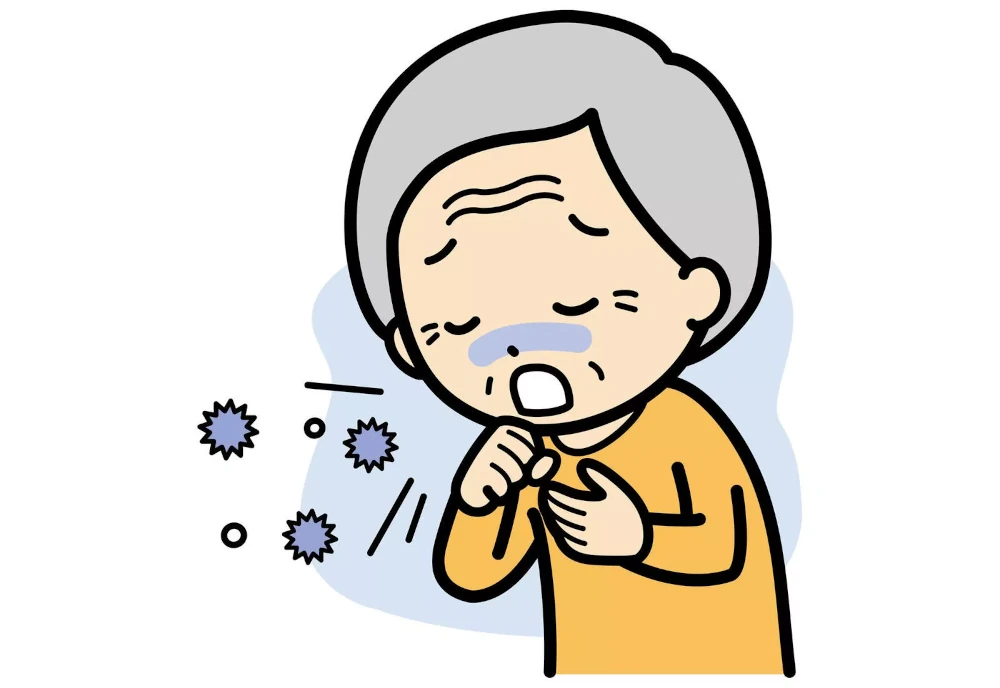
Sputum is a mucous secretion that is produced by the cells of the respiratory tract to protect and cleanse the bronchi and lungs. Under normal conditions, mucus is secreted in small quantities, providing hydration and protection to the mucous membrane. In case of diseases or irritation of the respiratory tract, the production of sputum can increase significantly, and it becomes more noticeable.
Sputum can have a different appearance depending on the nature of the disease. Clear sputum usually indicates allergic reactions or viral infections. Yellow or green sputum can indicate a bacterial infection, and the presence of blood can be a sign of serious pathologies, such as tuberculosis or lung cancer.
An important aspect of treatment is to determine the cause of excessive sputum production. To facilitate its excretion, mucolytics (ambroxol, acetylcysteine) or expectorants are used. In case of an infectious disease, antibiotics may be prescribed. If abnormal sputum appears, it is necessary to consult a doctor for diagnosis and appropriate treatment.