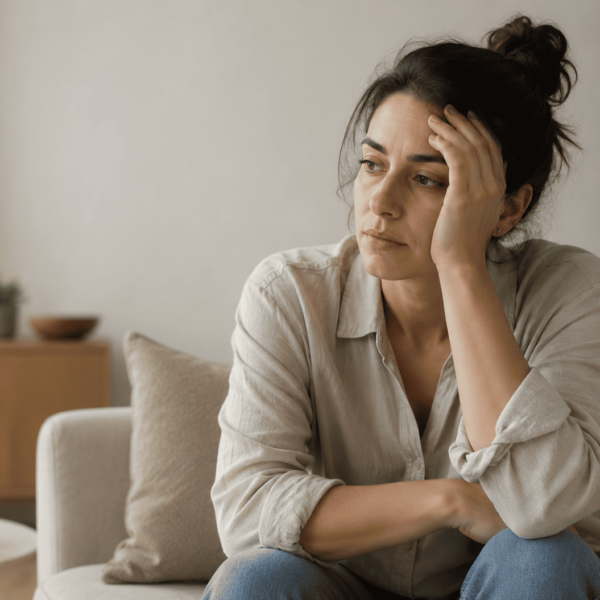
Anxiety is a negative emotion that each of us has experienced. From vague uncertainty to overwhelming feelings, anxiety encompasses a wide range of conditions. Despite the fact that this is a normal reaction of the body to stress, for some people it can become irresistible, seriously affecting their lives. Sometimes, anxiety can be a symptom of a specific medical condition, such as general anxiety disorder, panic attacks, or post-traumatic stress disorder.
What is anxiety: definition and main characteristics
Anxiety is a state of anxiety, fear, and tension that can occur in response to real or imagined threats. It can manifest itself in a variety of ways, such as heart palpitations, sweating, trembling – these are the bodily equivalents of anxiety, as well as emotional manifestations such as anxiety, sudden fear or panic.
Types of alarm
Types of anxiety: adequate and inadequate anxiety. Inadequate anxiety is an indicator of the trouble of personal development and, in turn, has a negative impact on it:
- Generalized anxiety disorder (GAD): People suffering from generalized anxiety disorder experience excessive anxiety and anxiety about things that are not related to certain objects or situations and related to various aspects of life, including work, relationships, and health. People with GAD often worry about the future and may experience physical symptoms such as muscle tension, fatigue, and sleep disturbances.
- Panic disorder: This particular type of anxiety is characterized by spontaneous panic attacks that can occur suddenly and are accompanied by intense physical symptoms such as palpitations, trembling, nausea, feeling of suffocation, dizziness and a feeling of loss of control. These attacks can pass quickly, but in some cases they can seriously undermine mental health.
- Social anxiety disorder: People with social anxiety disorder experience intense anxiety and intense fear in social situations, such as speaking in public, meeting new people, or socializing in a group. They are afraid of the evaluation of others and often avoid such situations. This disorder can severely limit a person’s social and professional life.
- Phobic disorders: phobias are a selective internal fear of certain objects, situations or phenomena. Some common phobias include fear of heights, spiders, flying on an airplane, or enclosed spaces. People with phobic disorders experience intense anxiety and avoid what causes their fear. They can take proactive measures to avoid situations or objects related to their phobia. Phobic disorders can severely limit people’s daily lives and cause significant inconvenience.
- Post-traumatic stress disorder (PTSD): PTSD develops after a traumatic event, such as violence, an accident, or military action. People with PTSD may experience repeated experiences of past negative experiences or elements thereof, nightmares, anxious thoughts, and emotional sensitivity. They may also avoid situations or locations associated with the original injury. PTSD requires special attention and treatment approach.

Symptoms of anxiety: physical and emotional manifestations
Symptoms of anxiety can be varied and include physical, emotional, and cognitive manifestations.
Physical symptoms:
- Feeling of trembling or vibration of the body.
- Sensation of a lump in the throat or shortness of breath.
- Pain in the abdomen or chest
- Rapid breathing and rapid pulse.
- Vertigo.
- Sweating.
- Hands become wet, cold, sticky.
- Muscle tension, discomfort.
- A pronounced feeling of fatigue.
- Sleep disturbances, including trouble falling asleep, waking up prematurely, or resting at night.
Emotional manifestations of anxiety:
- Feeling of excitement, irritability, anxiety;
- Nervousness, panic;
- Fear of the possibility that something bad might happen; a sense of inevitability;
Cognitive symptoms may include impaired attention, memory impairment, and intolerance to uncertainty.
Anxiety diagnosis: methods and tests
Anxiety diagnosis is carried out using various methods and tools. The doctor may conduct an interview with the patient to find out his symptoms and medical history. Standardized psychological tests and questionnaires can also be used to help assess the degree of anxiety and identify the presence of anxiety disorders.

Treatment of anxiety disorders
Treatment of anxiety disorders can include different approaches, depending on the individual needs and preferences of the patient. Here is a more detailed description of the main methods that should be used for anxiety disorders:
Psychotherapy
- Cognitive Behavioral Therapy (CBT): CBT is one of the most effective forms of psychotherapy for anxiety disorders. It aims to change negative thoughts and behavioral patterns associated with anxiety. The therapist helps the patient identify and correct destructive thoughts, develop coping strategies for anxiety situations, and develop healthy anxiety management mechanisms.
- Psychoanalysis: This type of therapy can prove useful for understanding the causes of anxiety, becoming aware of repressed emotions, and working with the deeper layers of psychological functioning. The therapist creates a supportive atmosphere in which the patient can explore their internal conflicts and overcome them.
- Group therapy: Participation in group therapy allows patients to share experiences, receive support from others with similar problems, and develop social adjustment skills. Group therapy can help improve self-esteem, develop new strategies, and boost self-confidence.
Pharmacotherapy
- Antidepressants: Some antidepressants, such as selective serotonin reuptake inhibitors (SSRIs), may be effective for treating anxiety disorders. They help reduce anxiety levels and improve the patient’s mood.
- Anxiolytics: Anxiolytic drugs may be used to relieve a specific symptom of anxiety. These drugs contain active ingredients that help improve the patient’s condition, reduce anxiety and relax. However, as with any other drug, you should follow the instructions and consult your doctor or pharmacist before taking.
- Anti-anxiety medications, or sedatives, are often used to treat anxiety and related conditions. They help reduce tension and anxiety, promote relaxation and improve sleep quality. These drugs work by decreasing activity in the central nervous system, resulting in an overall decrease in the body’s arousal level. Among the most common sedatives are Sedaviol capsules and Sedaviol drops; some antidepressants and some plant-based medications, such as valerian.
Alternative therapies
- Yoga and meditation: practicing yoga and meditation is firstly very enjoyable, and secondly, it can improve relaxation and reduce anxiety levels. These methods contribute to improving the physical and emotional well-being of the patient.
- Herbs and supplements: Some herbs, such as valerian, hops, and lavender, have soothing properties and can be used to manage anxiety symptoms. However, it is important to consult your doctor or pharmacist before using herbs or additional medications.
Anxiety Self-Help Strategies
Self-help strategies for anxiety play an important role in relieving symptoms of anxiety states and managing feelings of fear, excitement, and panic. Here’s a more detailed description of self-help strategies:
- Breathing exercises and relaxation techniques. Breathing exercises are an effective way to relieve anxiety and tension. One of these techniques is deep abdominal breathing, in which inhalations and exhalations occur slowly and deeply. It helps to activate the relaxation response in the body and reduce physical and emotional tension. Relaxation practices, such as progressive muscle relaxation or yoga, also contribute to relieving stress and increasing the overall state of relaxation.
- Stress management and self-regulation. Understanding and managing stress is an important aspect of anxiety self-help. This can include various techniques such as scheduling time, setting priorities, delegating tasks, and taking regular breaks. It is also helpful to develop self-awareness and mindfulness, which allows you to understand your thoughts and emotions more deeply, as well as develop the ability to self-regulate and switch attention.
- Physical activity and healthy lifestyle. Regular physical activity is an important factor in managing anxiety. It helps to release energy, reduce stress levels, improve mood and overall well-being. It’s important to choose a form of activity that enjoys you, whether it’s walking, running, yoga, or swimming. You should also pay attention to a healthy lifestyle, including proper nutrition, adequate rest and sleep, as well as avoiding excess caffeine, alcohol and nicotine, which can increase anxiety and excitement.
Prevention of anxiety
Prevention of anxiety plays an important role in maintaining mental well-being and preventing the development of pathology. Here is a more detailed description of strategies for preventing anxiety:
- Regular exercise and sports. Physical activity is not only a self-help strategy, but also an important preventive measure against anxiety. Regular exercise and exercise contribute to the production of endorphins – natural “happiness hormones” that improve mood, reduce stress and anxiety. They also help increase self-awareness, improve self-esteem and reduce the risk of developing anxiety.
- Healthy eating and sleeping. Proper nutrition and regular sleep are important aspects of the prevention of anxiety. Eating nutritious and balanced foods rich in vitamins, minerals, and antioxidants helps maintain healthy brain and nervous system function. Getting enough and good quality regular sleep is also important for restoring energy, reducing stress levels, and maintaining emotional well-being.
- Maintaining healthy interpersonal relationships. The quality and support of relationships with loved ones is of great importance for the prevention of anxiety. Regular communication, support, and understanding from loved ones can help reduce stress and anxiety levels. It is important to build healthy boundaries, express your emotions and needs, and actively participate in social life and social activities in order to maintain a sense of belonging and social support.
Author: Natalia Kandybey, Candidate of Pharmaceutical Sciences, Quality Director of PJSC Pharmaceutical Factory “VIOLA”
Literature:
- American Psychiatric Association. Anxiety Disorders. In: Diagnostic and Statistical Manual of Mental Disorders. 5th ed. Text Revision. American Psychiatric Association; 2022: pp. 215-231.
- Anxiety Disorders – NIMH. https://www.nimh.nih.gov/health/topics/anxiety-disorders
The information provided is not medical advice and does not replace professional health recommendations.
The information is based on scientific literature and is provided for informational purposes only.