
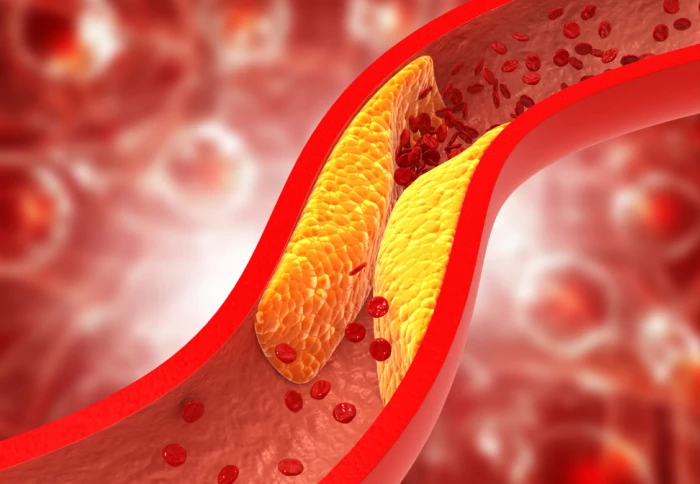
Cholesterol plaques are fatty deposits on the walls of the arteries, formed due to the accumulation of cholesterol, calcium and other substances in the blood. They are the main sign of atherosclerosis, a chronic disease that leads to narrowing and loss of elasticity of the arteries. This can complicate blood circulation, increasing the risk of cardiovascular diseases such as myocardial infarction, stroke or coronary heart disease.
The main causes of the formation of cholesterol plaques are increased levels of “bad” cholesterol (LDL) in the blood, excessive consumption of saturated fats and trans fats, a sedentary lifestyle, smoking, obesity and hypertension. Genetic predisposition may also play an important role in the development of atherosclerosis.
To prevent and treat the formation of cholesterol plaques, it is recommended to follow a healthy lifestyle: reduce the consumption of fatty foods, include foods rich in fiber, omega-3 fatty acids in the diet, engage in physical activity, control weight and stress levels. In some cases, the doctor may prescribe drug therapy, such as statins, to lower cholesterol levels and slow the progression of atherosclerosis.