
Cholesterol is a fat-like substance that is present in humans and animals. It plays an important role in the body, participating in the formation of cell membranes, the synthesis of hormones (including sex hormones) and bile acids, as well as in other biochemical processes.
Cholesterol enters the body from two sources: from food, especially animals, and is synthesized by the body itself, mainly in the liver. It is carried through the blood in the form of lipoproteins – particles that consist of fats and proteins.
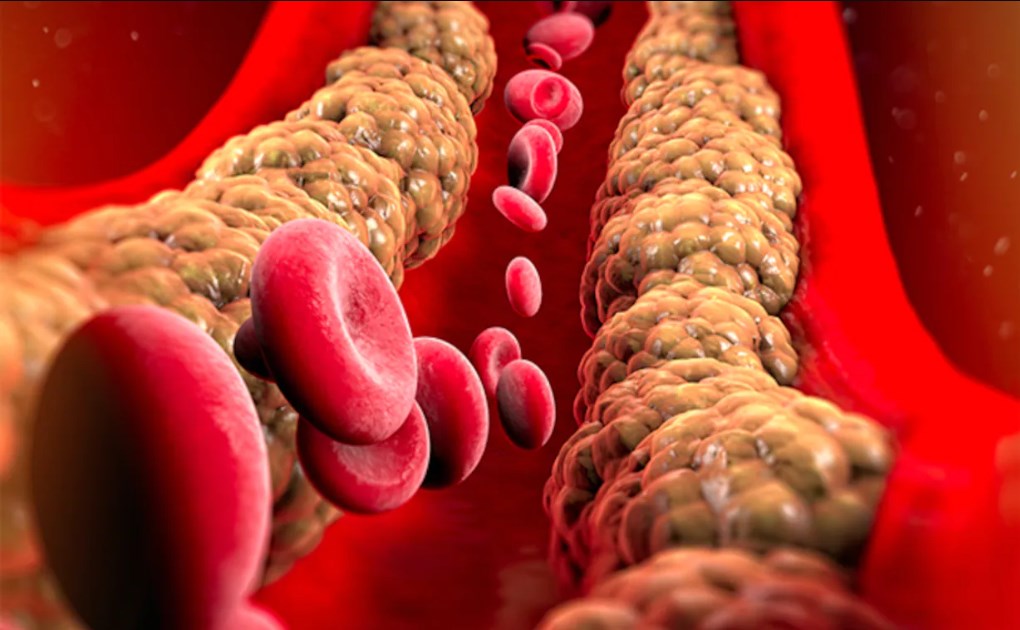
There are two types of lipoproteins that carry cholesterol: low-density lipoproteins (LDL) and high-density lipoproteins (HDL). LDL, also known as “bad” cholesterol, can accumulate in the arteries and contribute to the development of atherosclerosis, cardiovascular disease and heart attack. HDL, known as “good” cholesterol, on the contrary, helps remove cholesterol from the arteries and protects against cardiovascular problems.
High levels of “bad” cholesterol in the blood can be associated with various factors, including poor diet, sedentary lifestyle, genetic predispositions and certain diseases. It is important to control the level of cholesterol in the body, as elevated values can increase the risk of cardiovascular disease.
Cholesterol management includes proper nutrition, physical activity, smoking cessation and, if necessary, the use of medications. A healthy diet should include limiting your intake of foods rich in saturated and trans fats and increasing your intake of foods rich in polyunsaturated fats, fiber, and antioxidants.