
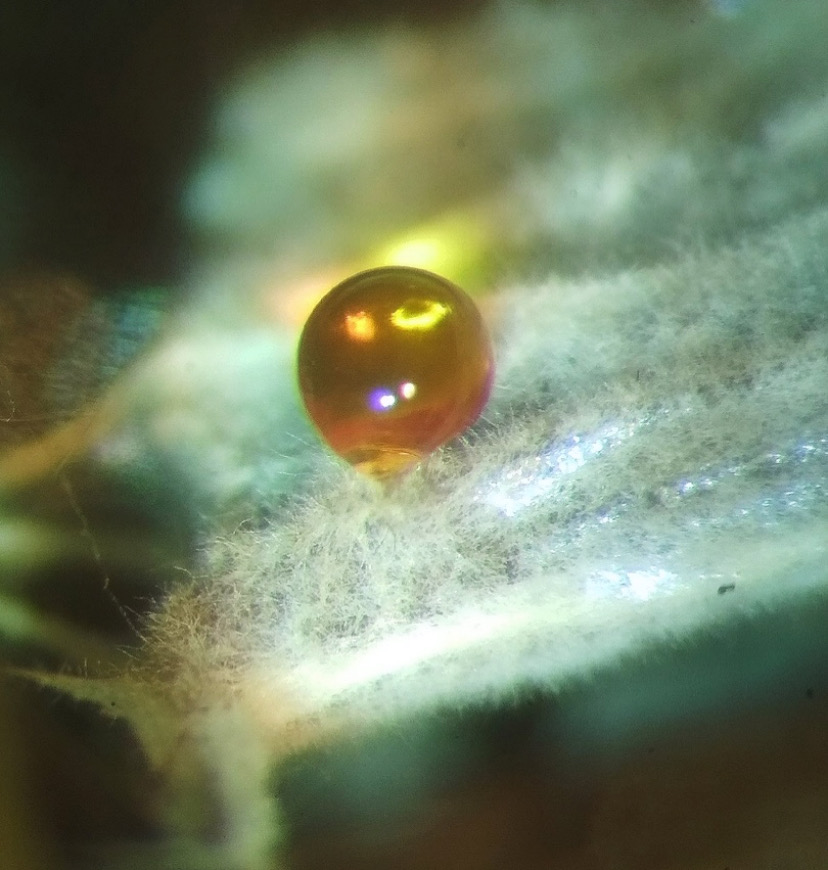
Exudate is a fluid that accumulates in the tissues or cavities of the body due to the inflammatory process. It is formed as a result of an increase in the permeability of blood vessels, due to which fluid rich in proteins, immune cells and other active substances comes out of the blood plasma. Exudate is a typical sign of acute or chronic inflammation and plays an important role in protecting and repairing the affected tissues.
Depending on the composition, the exudate is divided into several types: serous (mainly watery, for example, in burns), fibrinous (contains a lot of fibrin, characteristic of severe inflammation), purulent (saturated with leukocytes, bacteria and tissue detritus – in infections), hemorrhagic (contains blood impurities), etc.
The presence or excess of exudate may require medical intervention, such as wound drainage or antibiotic treatment. However, its moderate formation is part of the body’s natural defense mechanism, which contributes to the removal of toxins, microorganisms and decay products from the site of the lesion.