
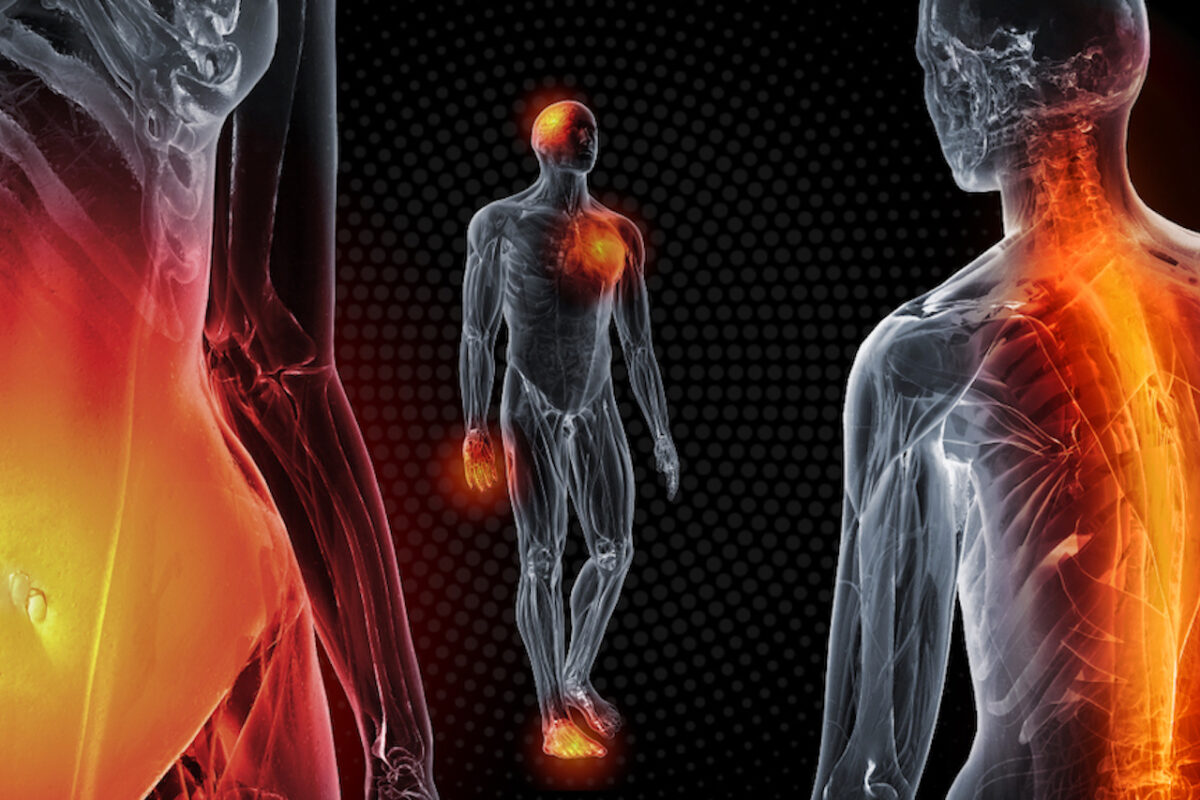
Inflammation is the body’s protective response to a harmful influence, such as an infection, injury, or irritant. It is a complex process that involves immune cells, blood vessels, and molecular mediators. The purpose of inflammation is to address the root cause of tissue damage, clear necrotic cells and tissues, and initiate the healing process. Classic signs of inflammation include redness, swelling, increased local temperature, pain, and dysfunction of the affected area or organ.
Inflammation can be acute or chronic. Acute inflammation usually develops quickly and does not last long, it is a typical reaction to an injury or infection. Chronic inflammation can last for months or even years and has been linked to a variety of diseases, including autoimmune disorders, chronic infections, certain types of cancer, and cardiovascular disease. Managing inflammation involves addressing the underlying cause as well as the use of anti-inflammatory medications. Maintaining overall health and prevention, including a healthy lifestyle and nutrition, is important.