
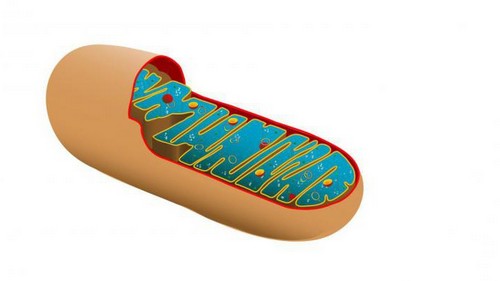
Mitochondria are cellular organelles that produce much of the energy needed for the cell to function. They are often called the “energy stations” of the cell, since it is in them that most adenosine triphosphate — ATP — is synthesized during cellular respiration.
The number of mitochondria depends on the energy needs of the cell. There are especially many of them in cells of tissues that constantly consume a significant amount of energy, particularly cardiac and skeletal muscles. Disruption of mitochondrial function can affect metabolism and the functioning of various organs.