
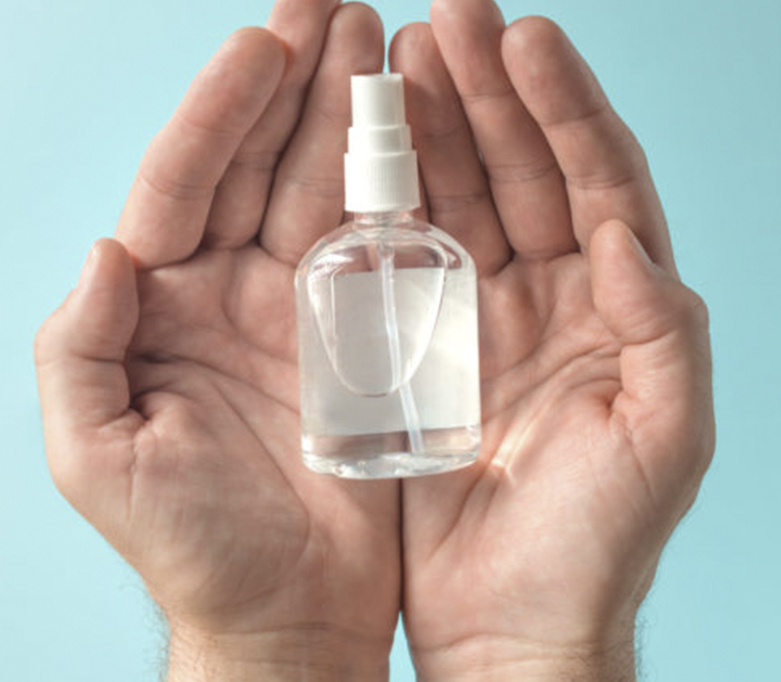
Bactericidal action is the ability of certain substances or factors to destroy bacteria, stopping their growth and causing death. This mechanism is important for fighting infections and ensuring sterility in various fields such as medicine, food processing and hygiene. Antibiotics, antiseptics, disinfectants, as well as physical factors such as ultraviolet radiation and high temperature have bactericidal properties.
Examples of bactericidal substances include penicillin, which breaks down the bacterial cell wall, and hydrogen peroxide, which causes oxidative damage. Such products are used to treat infections, clean wounds and disinfect surfaces.
Bactericidal action is different from bacteriostatic, which only inhibits the growth of bacteria without destroying them completely. The effectiveness of bactericides depends on the type of bacteria, the concentration of the drug and the conditions of its use. The use of bactericides should be careful to avoid the development of resistance in bacteria.