
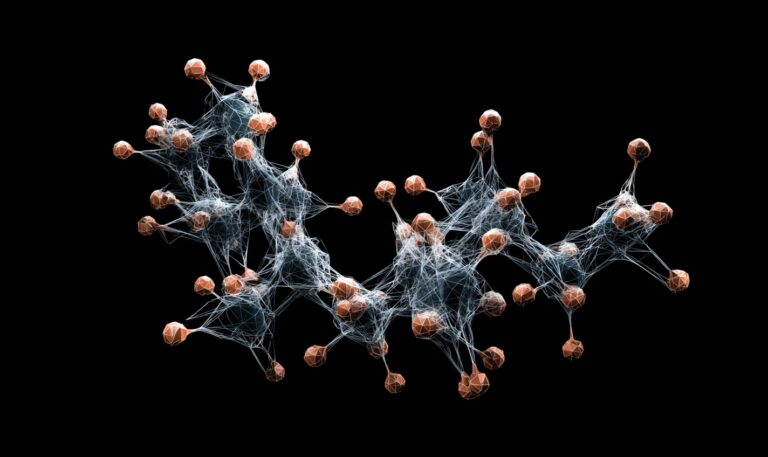
Adenosine triphosphate, or ATP, is a molecule that stores and transports energy necessary for processes in cells. A large part of ATP is formed in mitochondria during cellular respiration.
ATP energy is used for muscle contraction, maintaining nerve cell function, protein synthesis, transport of substances across cell membranes, cell division, and other biochemical processes. Because ATP stores are small, this molecule is constantly being formed and consumed.