
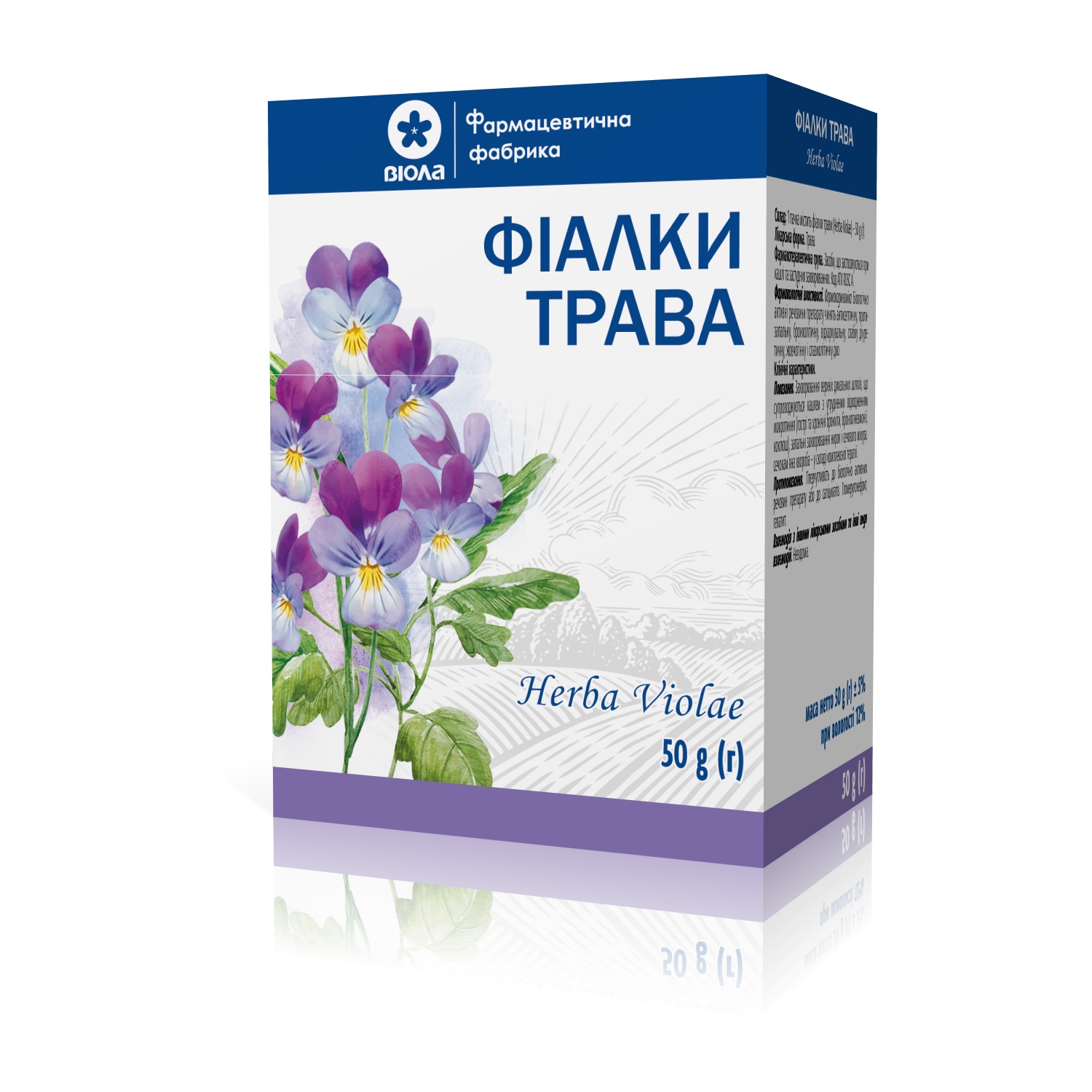
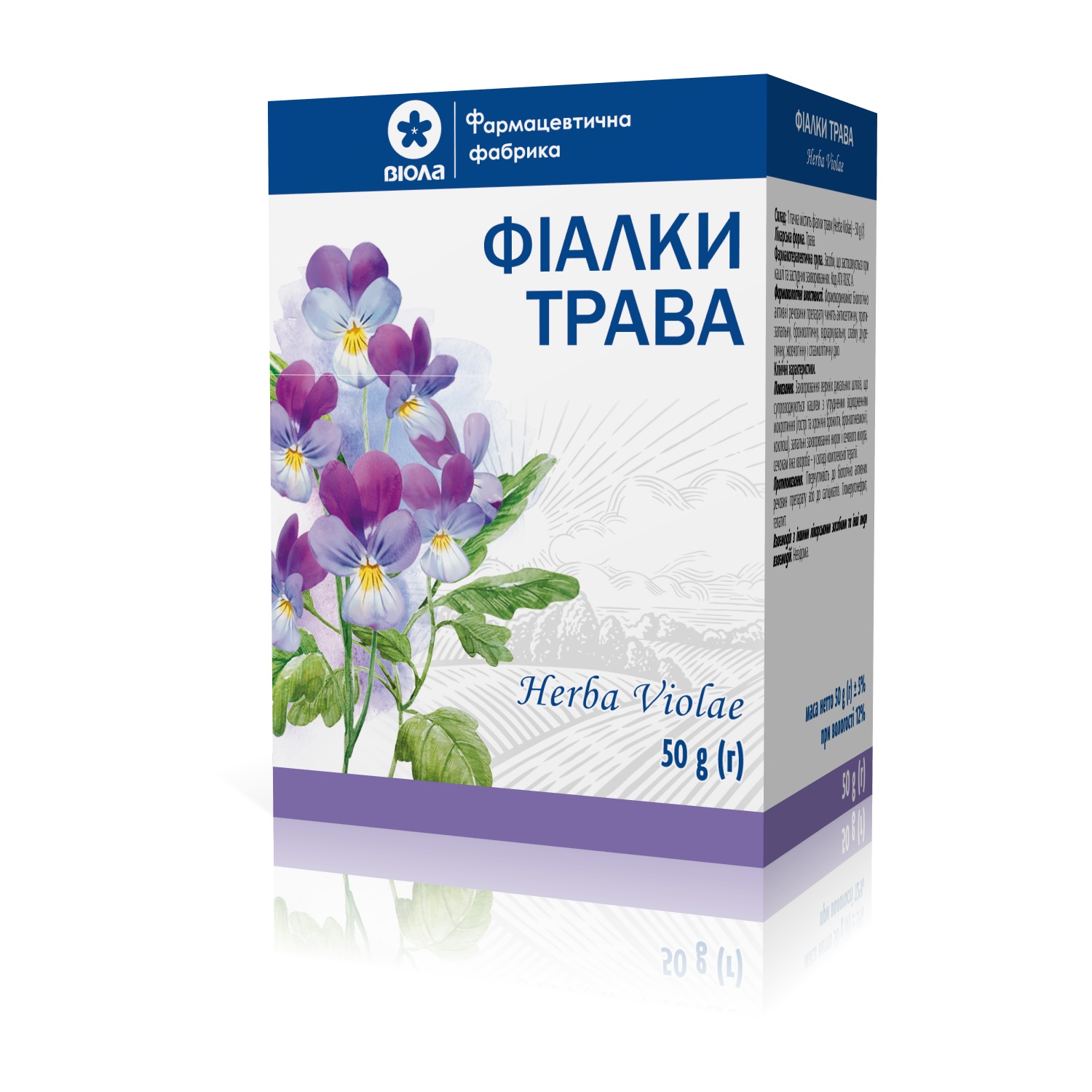
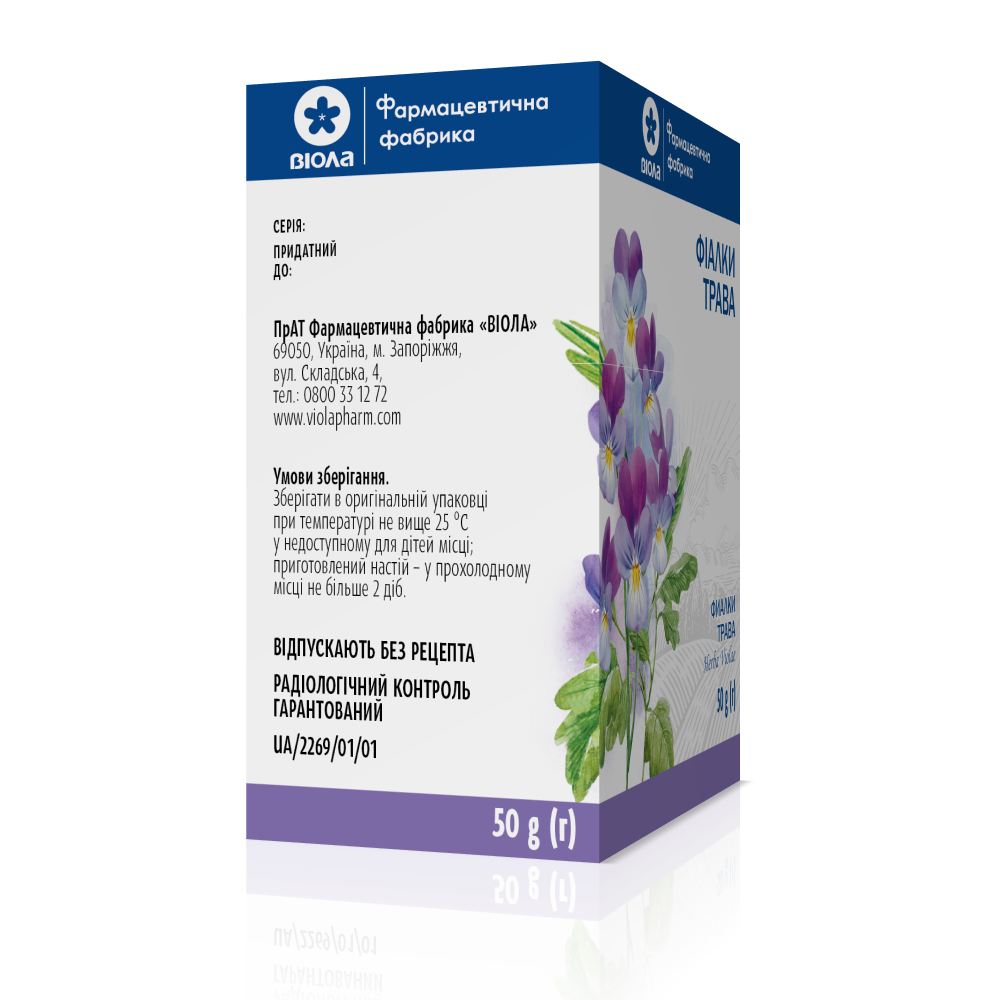


Violet grass 50 g
Diseases of the upper respiratory tract, accompanied by cough with difficulty
discharge of sputum, inflammatory disease of
kidney and bladder.
Adults, children from 3 years old (as prescribed by a doctor)
After meal, adults and children from 3 years in warm form
treatment is determined by the doctor individually
increased sensitivity to the components of the drug
Description
The drug of plant origin contains a large number of biologically active components, therefore it is used for the treatment of inflammatory diseases of the urinary and respiratory systems. Suitable for adults and children from 3 years old.
If you suffer from chronic or acute bronchitis, whooping cough, bronchopneumonia or other respiratory tract pathologies accompanied by cough, try violet herb.
The tool is also recommended for urolithiasis, inflammation of the kidneys and bladder. It quickly relieves inflammation, promotes sputum removal and has an antiseptic effect.
Violet grass can be used in complex therapy for diseases of the liver and gall bladder, as it has a choleretic effect.
To prepare the infusion , 1 tbsp. pour 200 ml of boiling water over a spoonful of grass and leave for 15 minutes in a water bath. When the decoction cools down, adults should take 0.3-0.5 cups after meals 3-4 times during the day.
Since violet grass contains a large number of useful substances, it is successfully used in medicine for the treatment of various diseases:
- rinsing with alcohol tincture diluted in warm water helps with diseases of the oral cavity and throat;
- if you add the herb to hot milk, you will be able to get rid of insomnia;
- compresses and lotions speed up recovery in eczema and dermatitis;
- violet grass, infused in vinegar, relieves headaches (must be rubbed into the temples).
Women often use violet for hair and skin care.
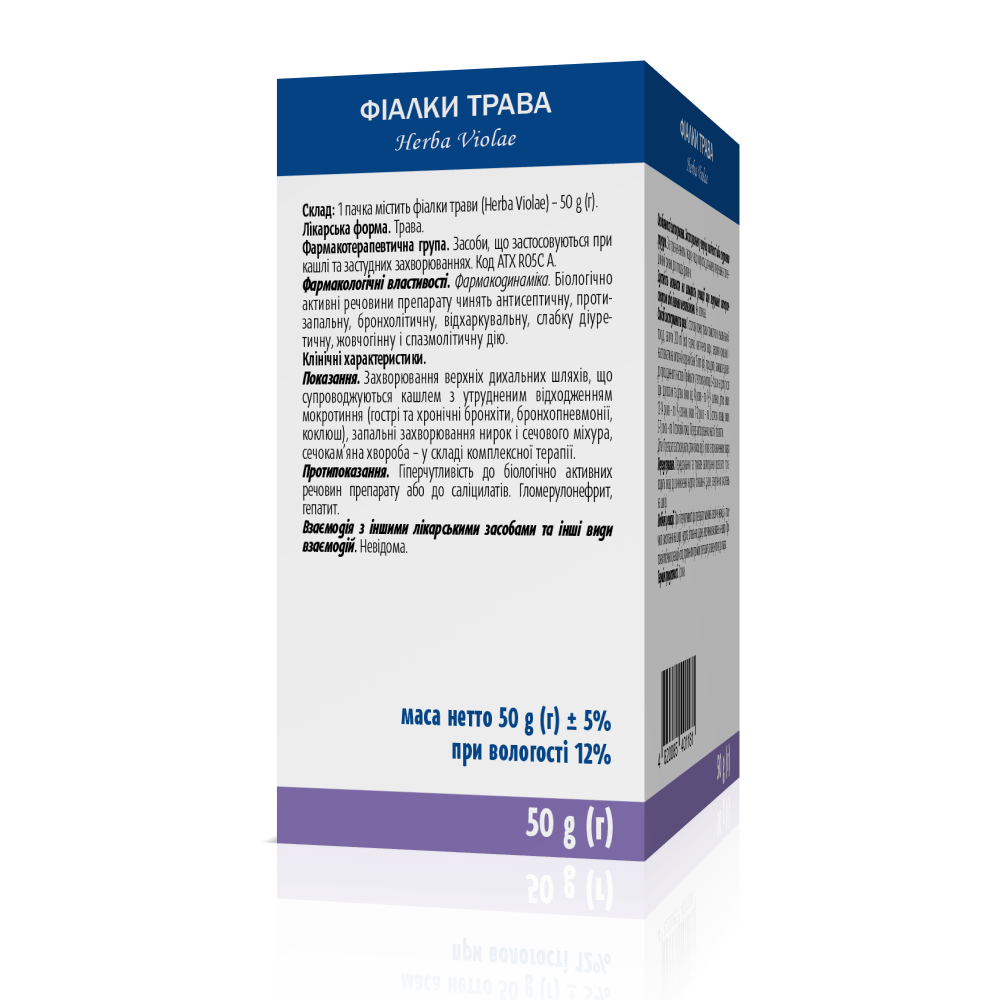
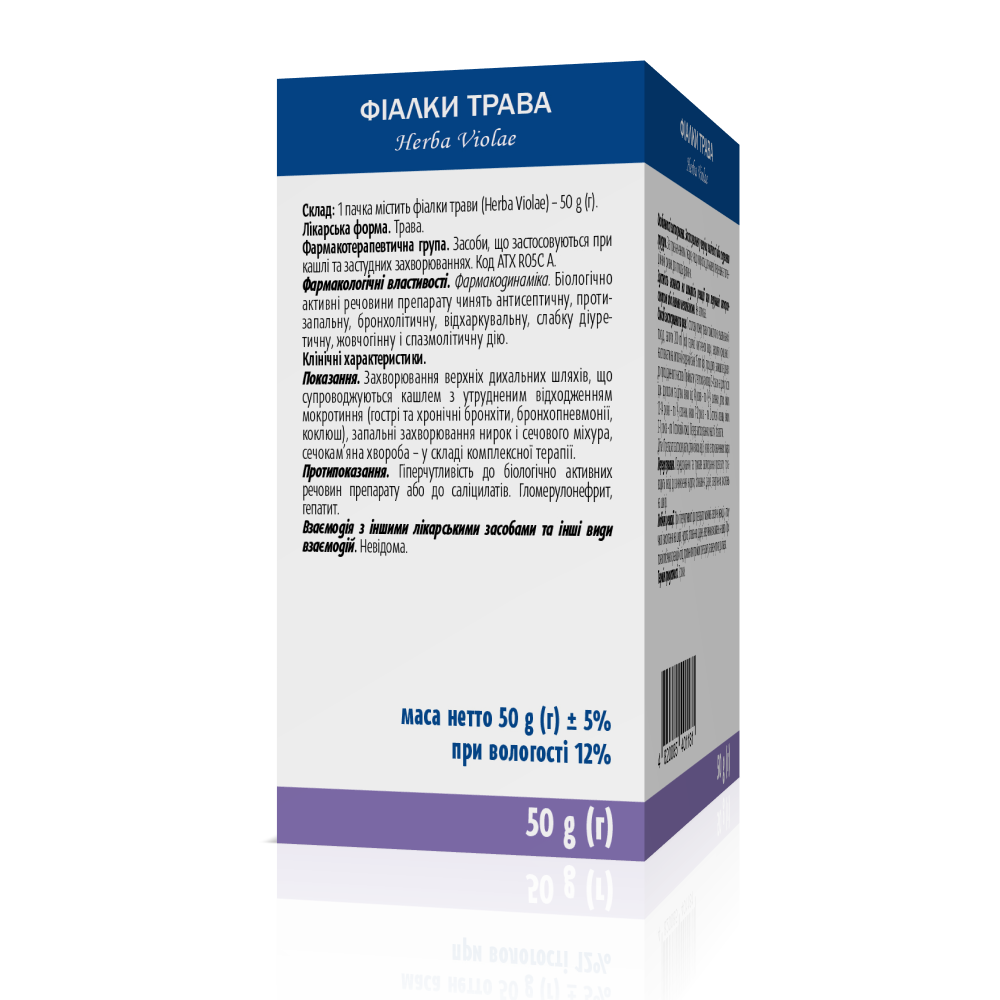
Composition:
active substance: violet grass (Herba Violae);
1 pack contains grass violets (Herba Violae) – 50 g; 1 filter bag contains grass violets (Herba Violae) – 1.5 g.
Medicinal form. Grass.
The main physical and chemical properties:
chopped raw materials: pieces of stems (green or light green), leaves (green), flowers (blue, purple and light yellow) of various shapes, which pass through a sieve with holes of 7 mm in diameter. The smell is weak. The taste is sweet with a feeling of slipperiness;
coarse powder: pieces of stems (green or light green), leaves (green), flowers (blue, purple and light yellow) of various shapes, which pass through a sieve with holes with a diameter of 2 mm. The smell is weak. The taste is sweet with a feeling of slipperiness.
Pharmacotherapeutic group. Medications used in cough and catarrhal diseases. ATX code R05C A.
Pharmacological properties.
Pharmacodynamics.
Biologically active substances of the drug have an antiseptic, anti-inflammatory, broncholytic, expectorant, weak diuretic, choleretic and antispasmodic effect.
Clinical characteristics.
Indication.
Diseases of the upper respiratory tract accompanied by cough with difficult sputum discharge (acute and chronic bronchitis, bronchopneumonia, whooping cough), inflammatory diseases of the kidneys and bladder, urolithiasis – as part of complex therapy.
Contraindication.
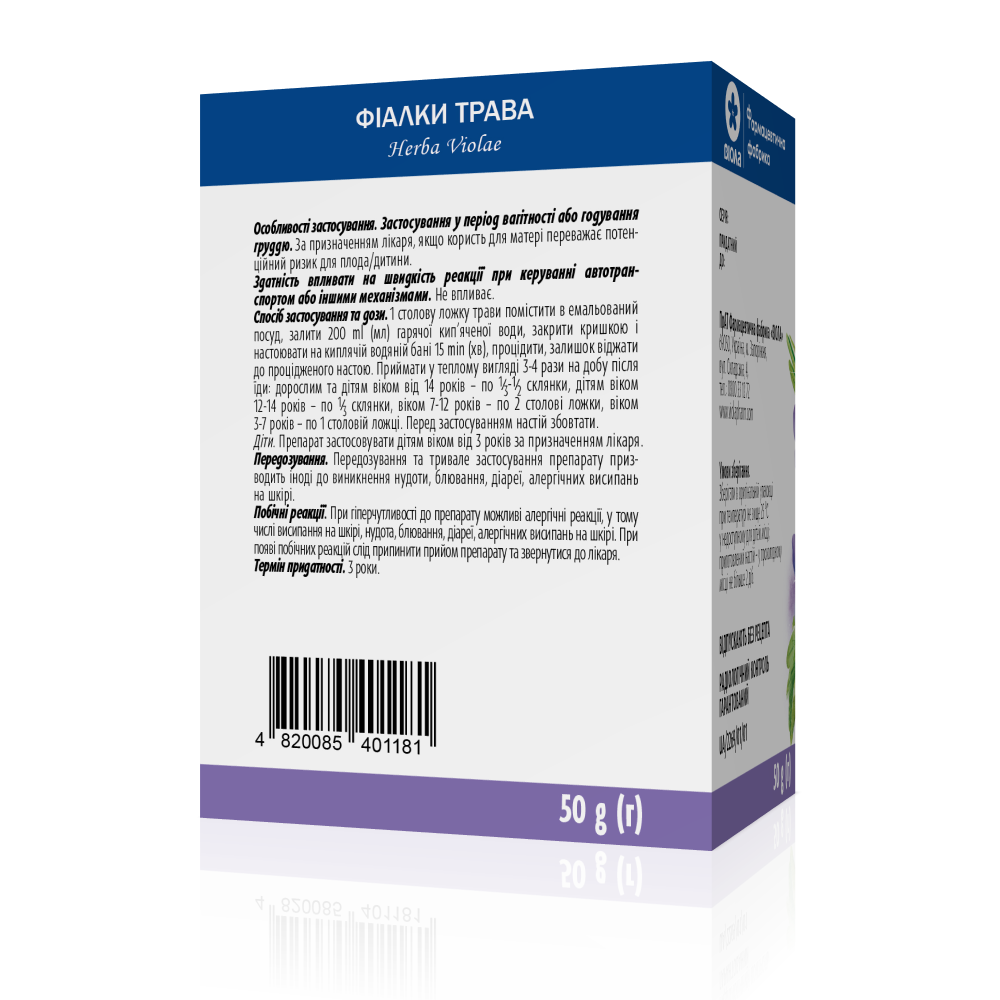
Hypersensitivity to biologically active substances of the drug or to salicylates. Glomerulonephritis, hepatitis.
Interaction with other medicinal products and other types of interactions. Unknown
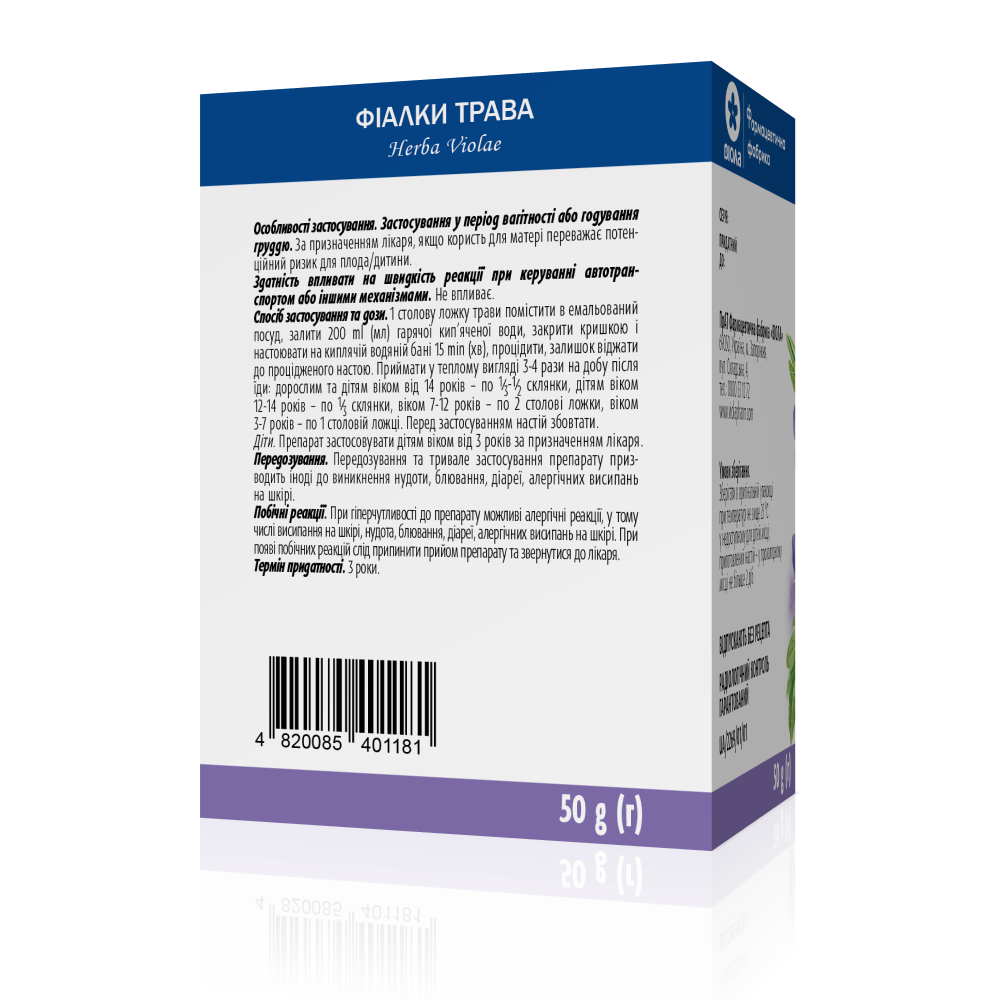
Features of application.
Using during pregnancy or breastfeeding.
As prescribed by a doctor, if the benefit to the mother outweighs the potential risk to the fetus/child.
The ability to influence the speed of reaction when driving vehicles or other mechanisms. Does not affect.
Method of application and dosage.
Place 1 tablespoon of the herb in an enamel dish, pour 200 ml of hot boiled water, cover with a lid and insist in a boiling water bath for 15 minutes. Cool at room temperature for 45 minutes, filter, squeeze the residue to a filtered infusion. Take warm 3-4 times a day after meals: adults and children over 14 years old – ⅓-½ cup each, children aged 12-14 years – ⅓ cup each, 7-12 years old – 2 tablespoons each, aged 3-7 years – 1 tablespoon each. Shake the infusion before use.
Place 2 filter bags in a glass or enamel container, pour 200 ml of boiling water, close and infuse for 15 minutes. Take warm 3-4 times a day after meals: adults and children over 14 years old – ½-1 cup, children aged 12-14 years – ½ cup, 7-12 years old – ⅓ cup, age 3 – 7 years – 2 tablespoons each.
The duration of the treatment course is determined by the doctor individually.
Children.
The drug should be used by children over 3 years of age as prescribed by a doctor.
Overdose.
Overdose and long-term use of the drug sometimes leads to nausea, vomiting, diarrhea, and allergic rashes on the skin.
Adverse reactions.
With hypersensitivity to the drug, allergic reactions are possible, including skin rashes, nausea, vomiting, diarrhea, allergic skin rashes.
If adverse reactions occur, you should stop taking the drug and consult a doctor.
Expiration date. 3 years.
Storage conditions.
Store in the original packaging at a temperature not higher than 25 °C in a place inaccessible to children; prepared infusion – in a cool place for no more than 2 days.
Packaging.
50 g each in packs with an inner bag; 1.5 g in a filter bag, 20 filter bags in a pack.
Leave category. Without a prescription.
Producer. PrJSC Pharmaceutical factory “Viola”.
The location of the manufacturer and its address of the place of business.
69050, Ukraine, Zaporozhye, Skladska, 4.
The applicant PrJSC Pharmaceutical factory “Viola”.
Location of the applicant.
69063, Ukraine, Zaporozhye, Akademika Amosova, 75.
Reviews
Articles
-
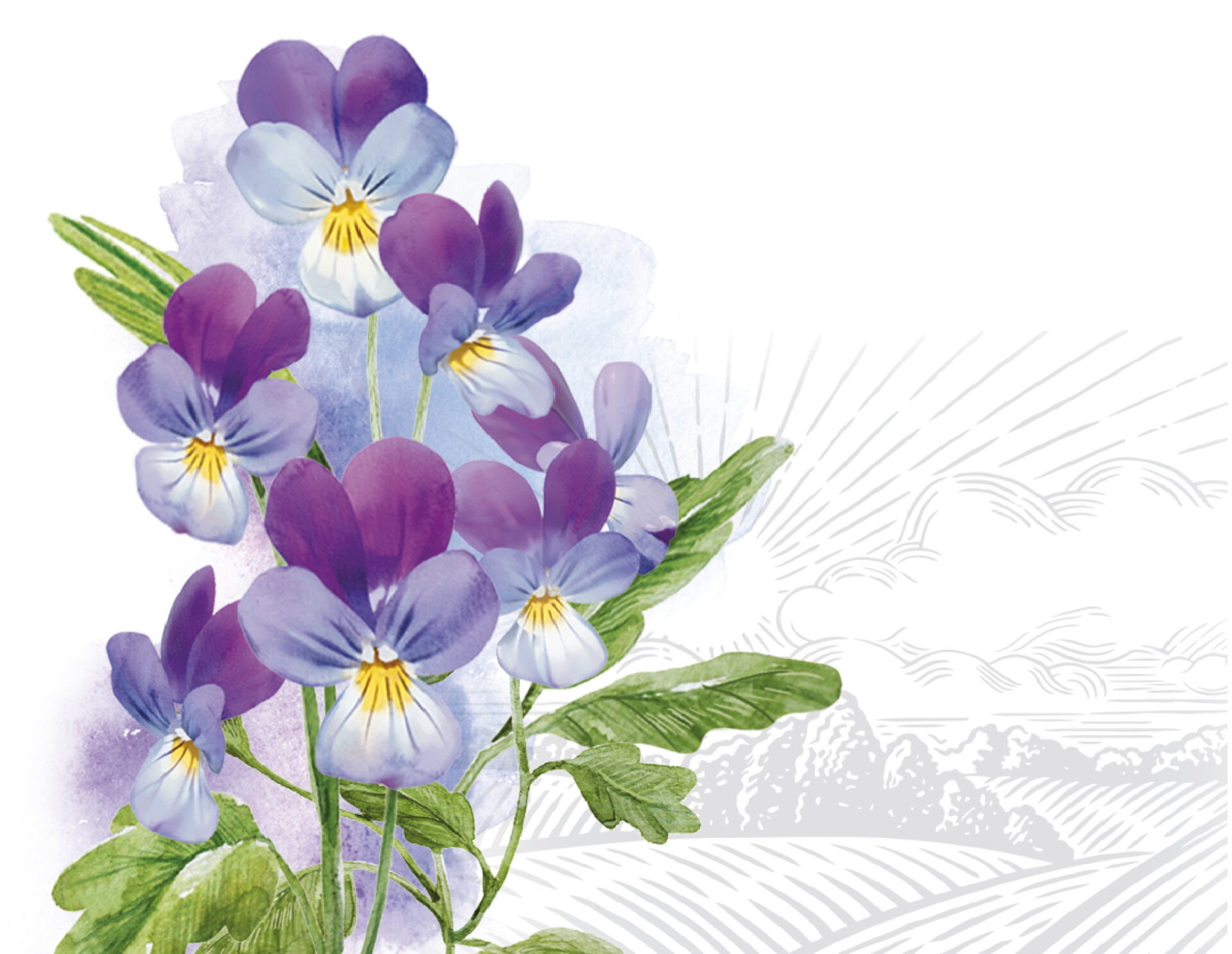 Violet: useful properties and use in folk medicine
Violet tricolor isn’t a “universal herb for everything”. It can be helpful, but only when used correctly: many people brew it too strong, take it too long, or ignore contraindications — and then get disappointed or experience side effects.
Read more »