
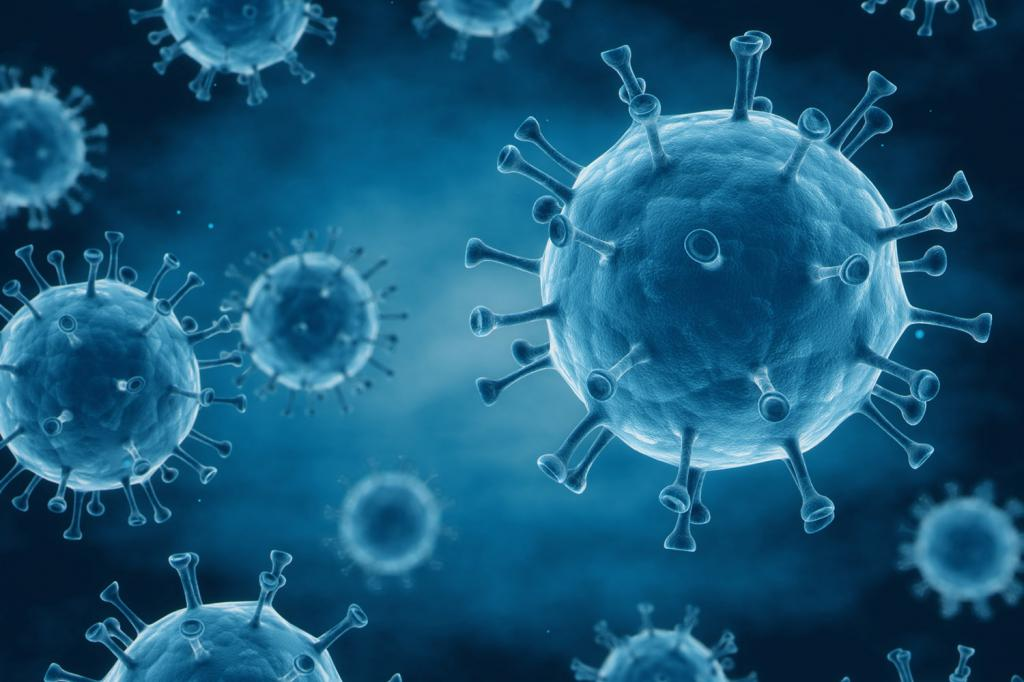
Virucidal action is the ability of certain substances or factors to destroy viruses, reducing their infectivity and stopping their ability to reproduce. Such agents destroy the structure of viral particles, damaging protein envelopes or genetic material (DNA or RNA), which makes the virus unviable. Virucidal action is an important mechanism to combat viral infections, especially in prevention and disinfection.
Substances with virucidal action may include antiseptics (alcohols, hydrogen peroxide), chemical disinfectants (eg, chlorine compounds), and some pharmaceuticals. In medicine, virucidal agents are used to disinfect the skin, mucous membranes, surfaces, instruments and equipment, as well as in the treatment of viral diseases.
The effectiveness of virucidal action depends on the concentration of the agent, the duration of its exposure, the type of virus and environmental conditions. To prevent viral infections such as influenza or coronavirus, it is important to practice good hygiene and use effective virucidal agents to disinfect surfaces and hands.