
- Why We Think About Immunity More Often in Autumn
- Vitamins D and C: Who May Need Additional Support?
- Zinc and Selenium: Important, but More Is Not Always Better
- Medicinal Plants: Echinacea and Other Herbal Remedies
- Who Should Avoid Choosing Supplements and Tinctures Without Medical Advice?
- Practical Ways to Support Your Health Every Day in Autumn
- Conclusion
As the colder months approach, shelves fill with vitamin complexes and herbal products marketed as remedies «for immunity». However, not everyone needs to buy them just in case. A varied diet, sufficient sleep, and vaccinations recommended by a doctor are important for the normal functioning of the immune system.
Vitamins and minerals are essential for the body, and medicinal plants can be ingredients in certain products. However, their benefits depend on the specific substance, a person’s health condition, and how they are used. Let’s explore when supplements may be appropriate and why more is not always better.
Why We Think About Immunity More Often in Autumn
In autumn and winter, some respiratory infections become more common. People spend more time indoors, where they are in close contact with one another, and rooms may not be ventilated adequately because of the cold weather. Under these conditions, viruses can spread more easily from person to person.
At the same time, cold weather itself does not «switch off» the immune system and is not the direct cause of the common cold: a viral infection is required for the illness to develop. However, seasonal changes can affect habits that are important for maintaining health.
For example, days become shorter in autumn, and we receive less sunlight. This is one reason to pay attention to vitamin D intake. In addition, sleep patterns may change after vacations, while busy schedules can affect the composition and regularity of meals.
The immune system works continuously, not just during cold and flu season. Supporting it therefore begins not with searching for the strongest supplement, but with creating conditions in which the body receives essential nutrients and has sufficient time to recover.
Vitamins D and C: Who May Need Additional Support?
Vitamins D and C are often mentioned together when discussing preventive health measures in autumn. Both contribute to the normal functioning of the immune system, but they perform different functions, and the need for supplementation depends on individual circumstances.
Vitamin D: Not Just for Bones
Vitamin D helps the body absorb calcium and is essential for bone and muscle health. It also plays a role in immune function. Some vitamin D is produced in the skin through exposure to sunlight, while some comes from food.
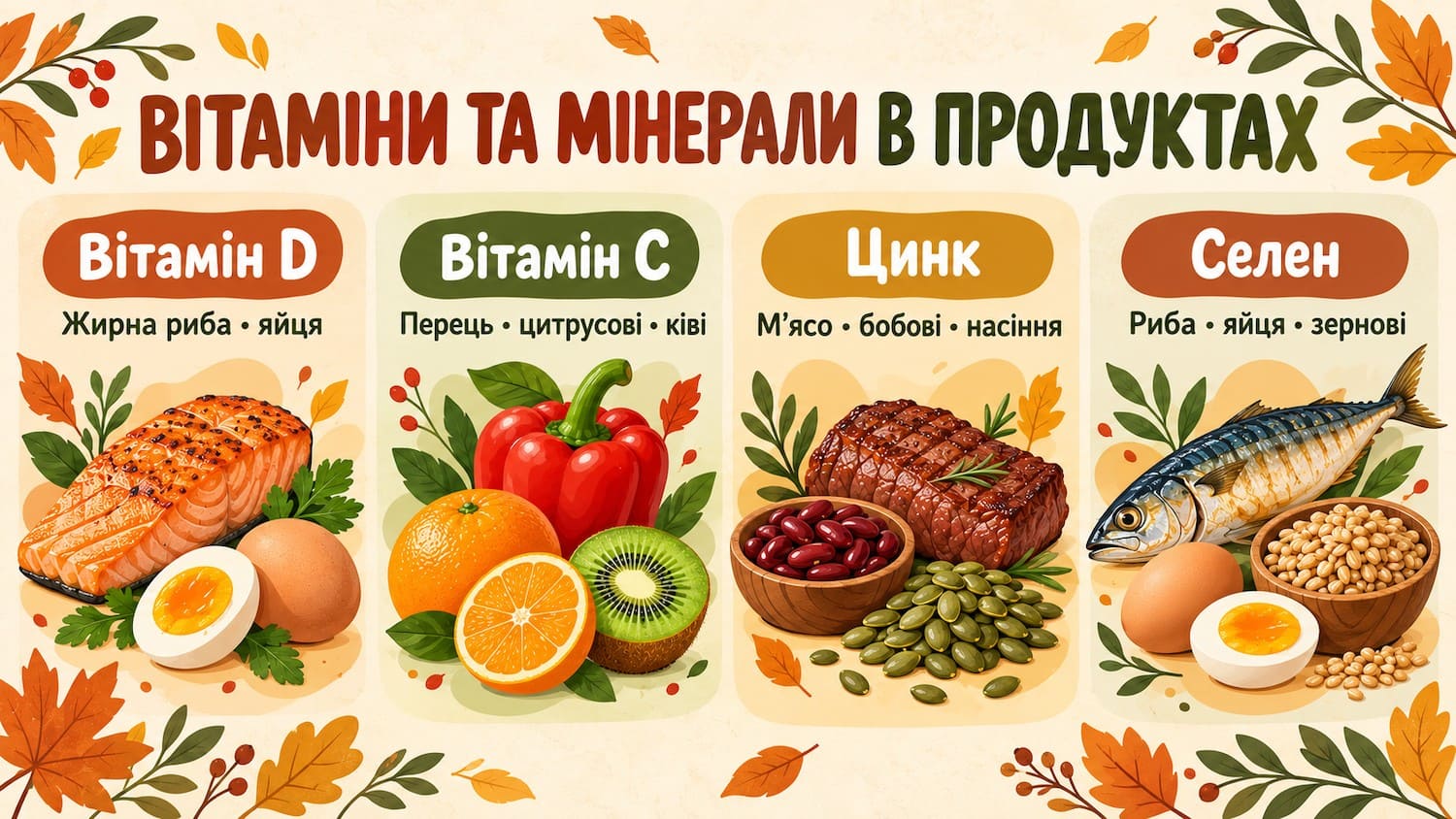
Dietary sources include oily fish, egg yolks, and foods fortified with vitamin D. However, obtaining enough vitamin D through diet alone can be difficult. Age, dietary habits, sun exposure, certain medical conditions, and other factors also influence vitamin D levels.
People at risk of vitamin D deficiency should discuss supplementation with their doctor. This may include older adults, people who spend little time outdoors, and those with conditions that affect nutrient absorption.
Not everyone needs to be tested for vitamin D. The need for testing and supplementation is determined individually. If a supplement is necessary, it is important to agree on the dosage and duration of use with a doctor, as excessive vitamin D intake can also be harmful.
At the same time, having sufficient vitamin D levels does not mean that a person will never catch a cold. Supplementation helps meet the body’s needs or correct a deficiency, but it does not create a protective barrier against all viruses.
Vitamin C: Does It Protect Against Colds?
Vitamin C contributes to immune function, supports collagen formation, and promotes the absorption of iron from plant-based foods. The body cannot produce vitamin C on its own, so it must be obtained regularly through the diet.
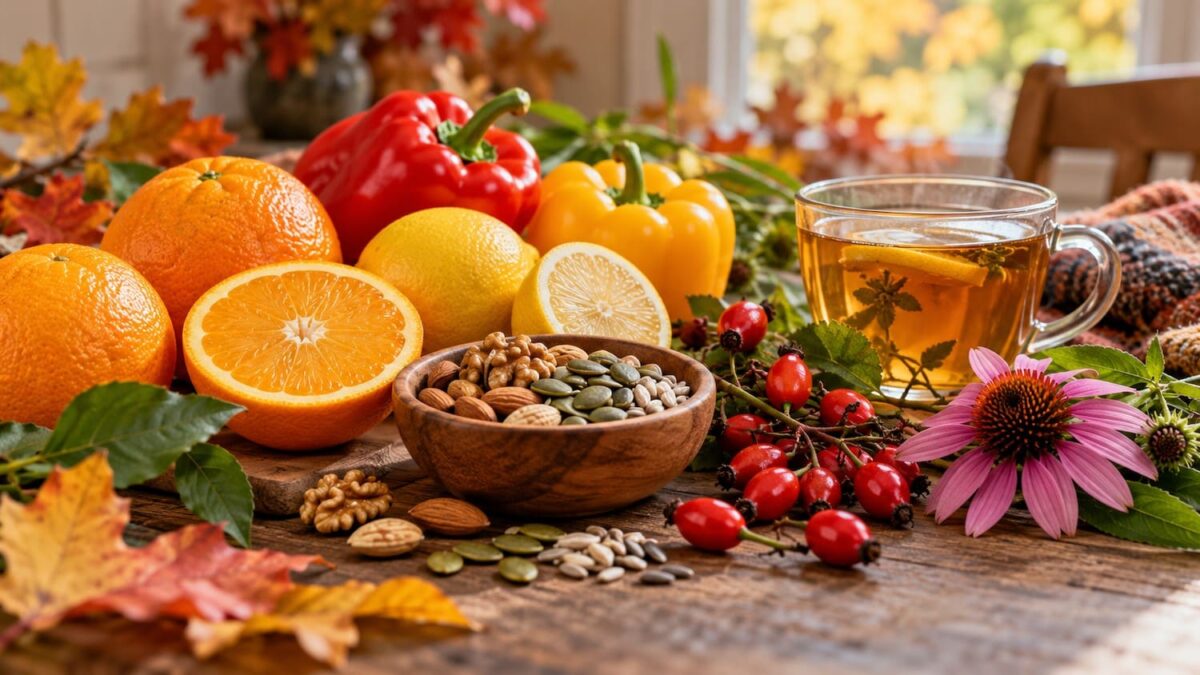
Good sources include bell peppers, citrus fruits, kiwi, broccoli, cabbage, and berries. There is no need to focus on a single food: eating a variety of fruits and vegetables throughout the week also helps provide other essential nutrients.
People often start taking vitamin C as soon as a runny nose appears. However, for most people, regular vitamin C supplementation does not reduce the likelihood of catching a cold. Research suggests that regular supplementation may slightly shorten the duration of a cold, but starting vitamin C after symptoms appear has not shown consistent benefits.
High doses do not guarantee better results and may cause diarrhea, nausea, and abdominal discomfort. Therefore, unless there are specific indications for supplementation, it is more sensible to start by assessing your diet rather than taking high-dose products.
Zinc and Selenium: Important, but More Is Not Always Better
The body needs zinc and selenium in small amounts. Both contribute to normal immune function, but this does not mean that everyone should take additional supplements every autumn, regardless of their diet and health status.
Zinc and Colds: What Does Research Show?
Zinc plays a role in immune cell function, wound healing, and other processes. Dietary sources include meat, fish, seafood, eggs, dairy products, legumes, nuts, and seeds. You can learn more about this mineral in our article on zinc.
The risk of insufficient zinc intake may increase when a person’s diet is restricted for an extended period or when certain medical conditions affect nutrient absorption. In such cases, the need for supplementation should be discussed with a doctor.
Can zinc help once a cold has already started? Some studies suggest that oral zinc supplements may shorten the duration of symptoms. However, research findings vary considerably, and confidence in the evidence remains low. There is no conclusive evidence that taking zinc preventively reduces the risk of catching a cold.
Zinc supplementation may cause nausea, an unpleasant taste, and other adverse reactions. Prolonged excessive intake can also lead to copper deficiency. Therefore, it is important not to combine several zinc-containing products without checking their ingredients and dosages.
Selenium: Small Amounts Matter
Selenium is essential for normal thyroid function and helps protect cells from damage. Its dietary sources include fish and seafood, meat, eggs, dairy products, and grains. The selenium content of foods may vary depending on production conditions and the mineral content of the soil.
People who follow a varied diet do not necessarily need additional selenium supplements. Whether supplementation is appropriate depends on the risk of inadequate intake, dietary habits, and overall health.
It is important to avoid excessive selenium intake. Long-term overconsumption may cause brittle hair and nails, digestive problems, and other adverse effects. This applies to both supplements and foods containing particularly high amounts of selenium, such as Brazil nuts, whose mineral content can vary considerably.
Medicinal Plants: Echinacea and Other Herbal Remedies
A plant-based origin does not automatically make a product safe or effective. Plants contain various biologically active substances, and products made from them can differ in composition, concentration, and intended use.
Echinacea: What Can You Expect?
Echinacea has been studied for its potential effects on colds and other respiratory infections. Some evidence suggests that certain echinacea products may slightly reduce the likelihood of catching a cold. However, it remains unclear whether they can shorten its duration. More research is needed to draw reliable conclusions.
Comparing different products is difficult because studies have used different echinacea species, plant parts, and types of extracts. Therefore, results obtained with one product do not necessarily apply to another.
Echinacea may cause allergic reactions, particularly in people sensitive to plants in the Asteraceae family. Digestive adverse reactions and interactions with medications are also possible. People taking medicines that suppress the immune system should exercise particular caution.
Medicinal products containing echinacea have specific indications and restrictions depending on their composition and dosage form. Alcohol-based tinctures also contain ethanol, which requires additional precautions. Pregnant and breastfeeding women, children, and people with chronic medical conditions should not choose such products without medical advice.


Rosehip and Linden: Warm Drinks Without Unrealistic Promises
A warm rosehip or linden drink can be part of your regular diet in autumn. Rosehips contain vitamin C, although the amount in the prepared drink depends on the raw materials and preparation method.
Such drinks can add variety to your fluid intake, but they do not replace a balanced diet. You should not expect linden or rosehip tea to prevent infection or cure a viral illness.
Even familiar herbal products can cause individual adverse reactions. If you have a chronic medical condition or regularly take medication, it is advisable to discuss the ingredients of herbal preparations with a doctor.
Who Should Avoid Choosing Supplements and Tinctures Without Medical Advice?
There is no universal supplement that is equally suitable for every family member. The needs of a child, a pregnant woman, and an adult with a chronic medical condition can differ significantly.
Pregnant and breastfeeding women should discuss the use of supplements and herbal remedies with their doctor. Even when a particular nutrient is needed during this period, its dosage and combination with other products are important.
Children should not be given adult supplements simply by reducing the dosage without professional guidance. Their nutritional needs depend on age, diet, and health status. Medicines and supplements should be selected in consultation with a pediatrician.
People with chronic or autoimmune diseases should consider their diagnosis and ongoing treatment before taking new products. Some herbal remedies are contraindicated in certain conditions, while some supplements may be unsuitable for people with kidney disease or metabolic disorders.
People who regularly take medication should also check for possible interactions. For example, certain minerals can affect the absorption of medications, while herbal remedies may alter their effects. Even when individual products seem familiar, combining them requires caution.
Another concern is the duplication of ingredients. Vitamin D, zinc, or selenium may be present in a multivitamin, a separate supplement, and another combination product at the same time. As a result, a person may consume more than intended. Before purchasing a new supplement, review the ingredients of all products you already take and inform your doctor about them.
Dietary supplements are intended to supplement the diet with specific nutrients or substances, while medicinal products have defined indications for use. These are different product categories and should not be considered interchangeable.
Practical Ways to Support Your Health Every Day in Autumn
Maintaining good health involves more than taking a pill or drinking a herbal tea. A combination of healthy habits is much more important:
- Eat a varied diet. Include vegetables, fruits, protein sources, legumes, and whole grains in your meals.
- Get enough sleep. Try to maintain a regular sleep schedule, including on weekends.
- Stay physically active within your abilities. Walking and other suitable forms of physical activity support overall health.
- Wash your hands and ventilate rooms regularly. These simple measures help reduce the risk of spreading respiratory infections.
- Keep your vaccinations up to date. Discuss vaccinations recommended for your age and health status with your doctor, including seasonal flu vaccination.
If you frequently become ill, experience persistent fatigue, or notice other changes in your well-being, do not automatically attribute these symptoms to «weak immunity». Such complaints may have various causes, and a doctor can help determine whether further examination is necessary.
Conclusion
Vitamins D and C, zinc, and selenium are essential for normal bodily functions, but supplementation is most appropriate when there is a specific need. Products containing medicinal plants also have indications and restrictions, so they should be selected with consideration of individual health conditions.
This material is for informational purposes only and does not replace medical advice. Consult a healthcare professional before using medicines or dietary supplements.
References
- Dietary Supplements for Immune Function and Infectious Diseases. Fact Sheet for Consumers (https://ods.od.nih.gov/factsheets/Immunefunction-Consumer/)
- Zinc for the Prevention and Treatment of the Common Cold (http://cochrane.org/evidence/CD014914_zinc-prevention-and-treatment-common-cold)
- Echinacea: Usefulness and Safety (https://www.nccih.nih.gov/health/echinacea)
Author: Natalia Kandybey, Candidate of Pharmaceutical Sciences, Quality Director of PJSC Pharmaceutical Factory “VIOLA”


