
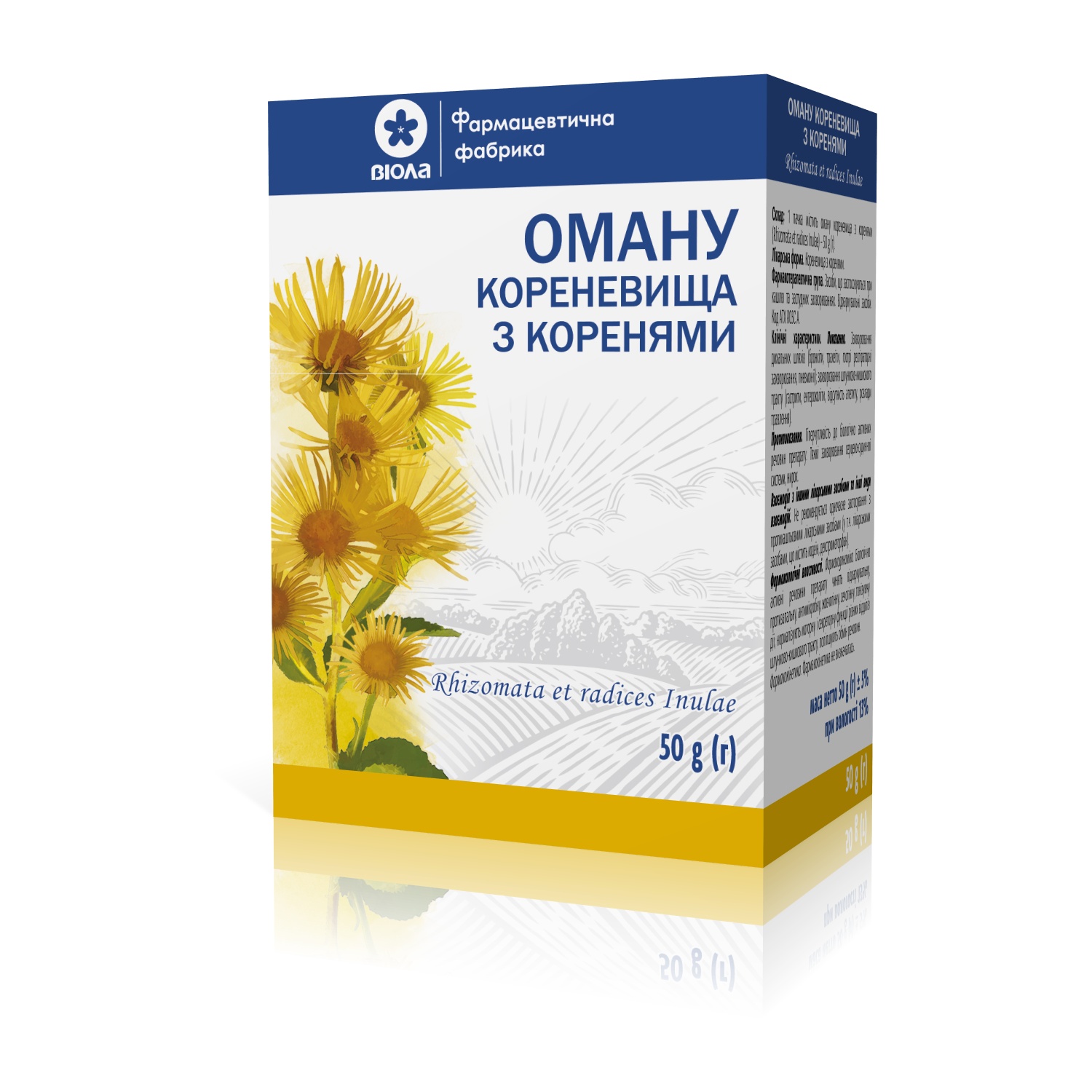
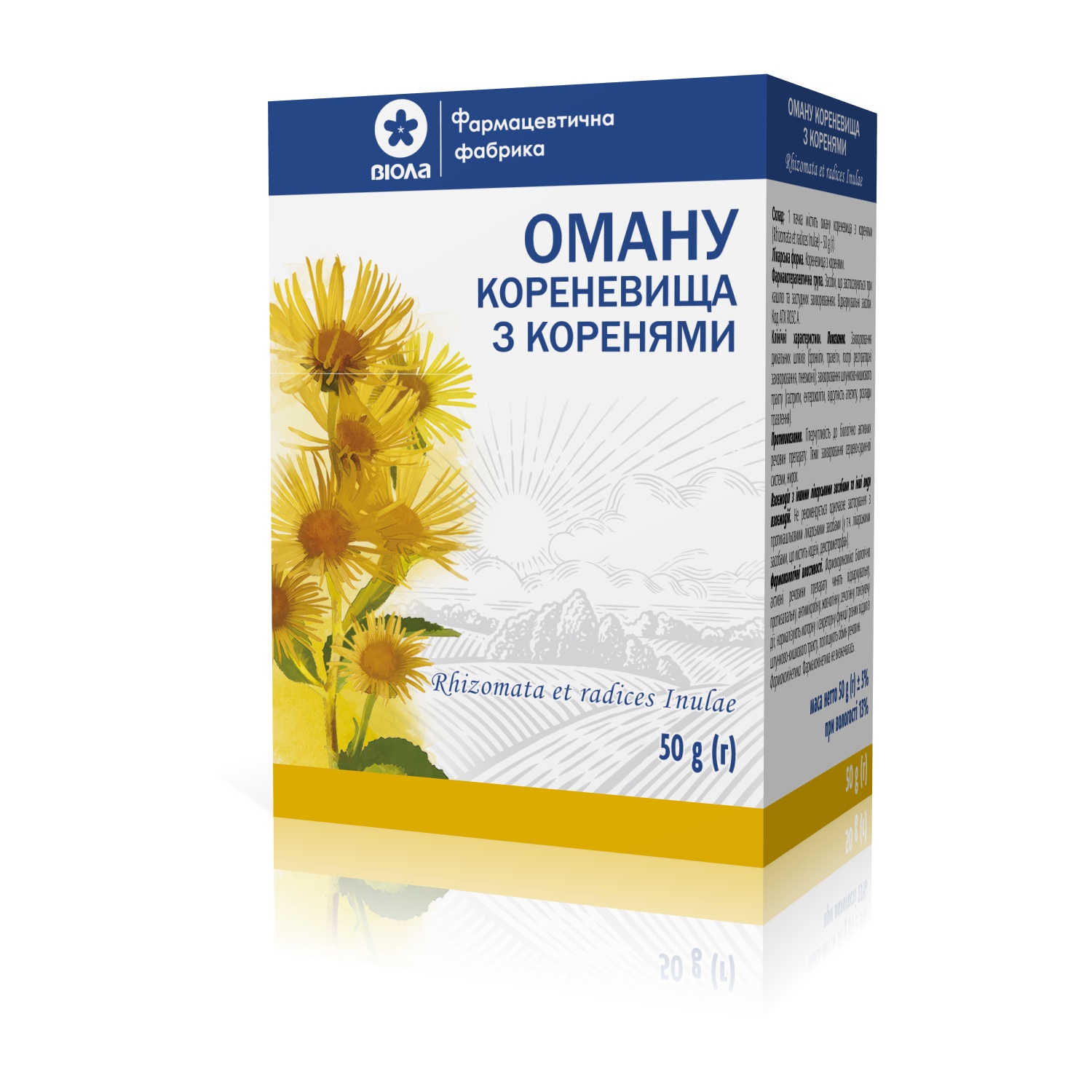


Delusion of rhizomes
Diseases of the respiratory system.
Diseases of the digestive system
Adults Children from 3 years old
1 hour before meals
Adults and children over 3 years old
In warm form
*see instructions
treatment is determined by the doctor individually
increased sensitivity to the components of the drug
Description
The herbal preparation restores the work of various departments of the digestive system, improves the secretion of gastric juice, has an expectorant effect and relieves inflammation.
It contains a large number of biologically active components that have a positive effect on digestion, stimulate appetite and relieve spasm.
The drug is intended for adults and children from 3 years of age.
If you suffer from bronchitis, tracheitis, pneumonia or other respiratory diseases, gastritis, enterocolitis, indigestion, or lack of appetite, try the rhizomes.
The drug normalizes the motor and secretory function of the digestive system, improves appetite, helps to get rid of cough and other symptoms of respiratory diseases.
Rhododendron rhizomes also improve metabolism.
To prepare the infusion, you need 1 tbsp. pour 200 ml of boiling water over a spoonful of rhizomes and insist in a water bath for 30 minutes. Adults take half a glass of the decoction warm 1 hour before meals 2-3 times a day.
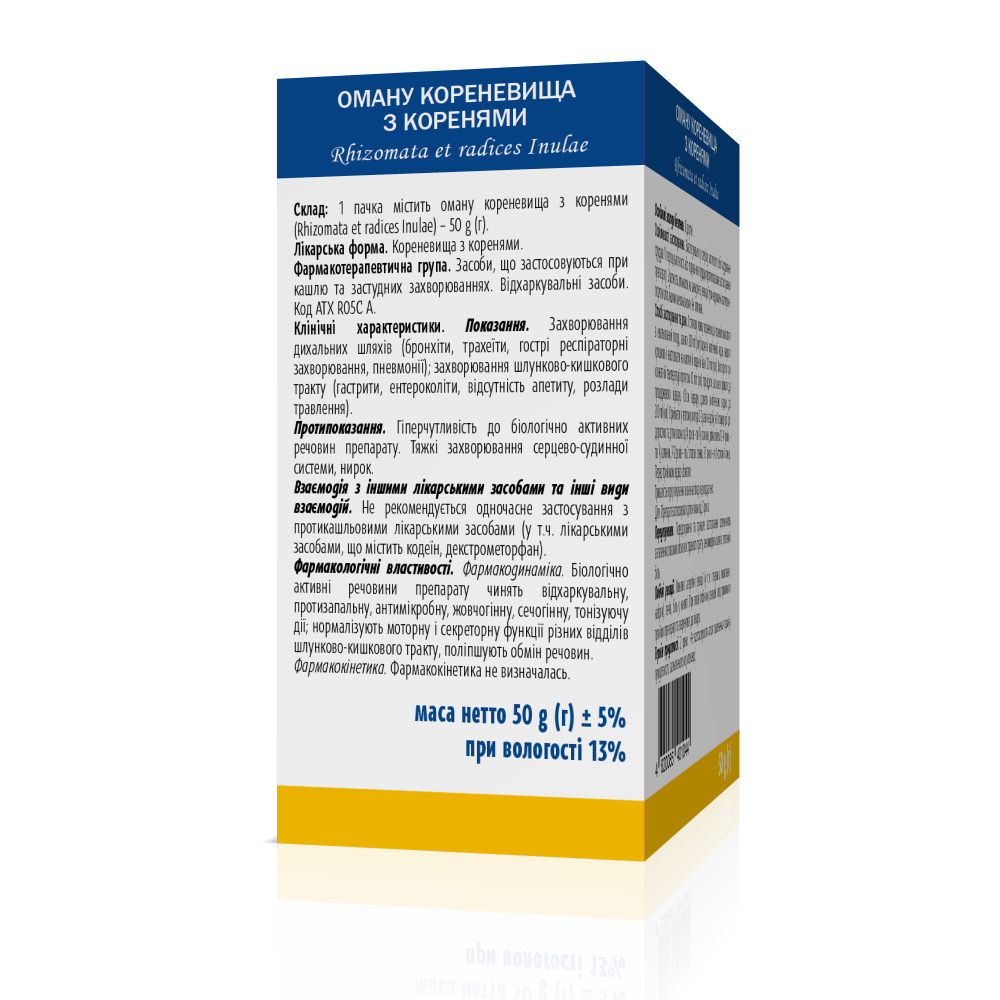
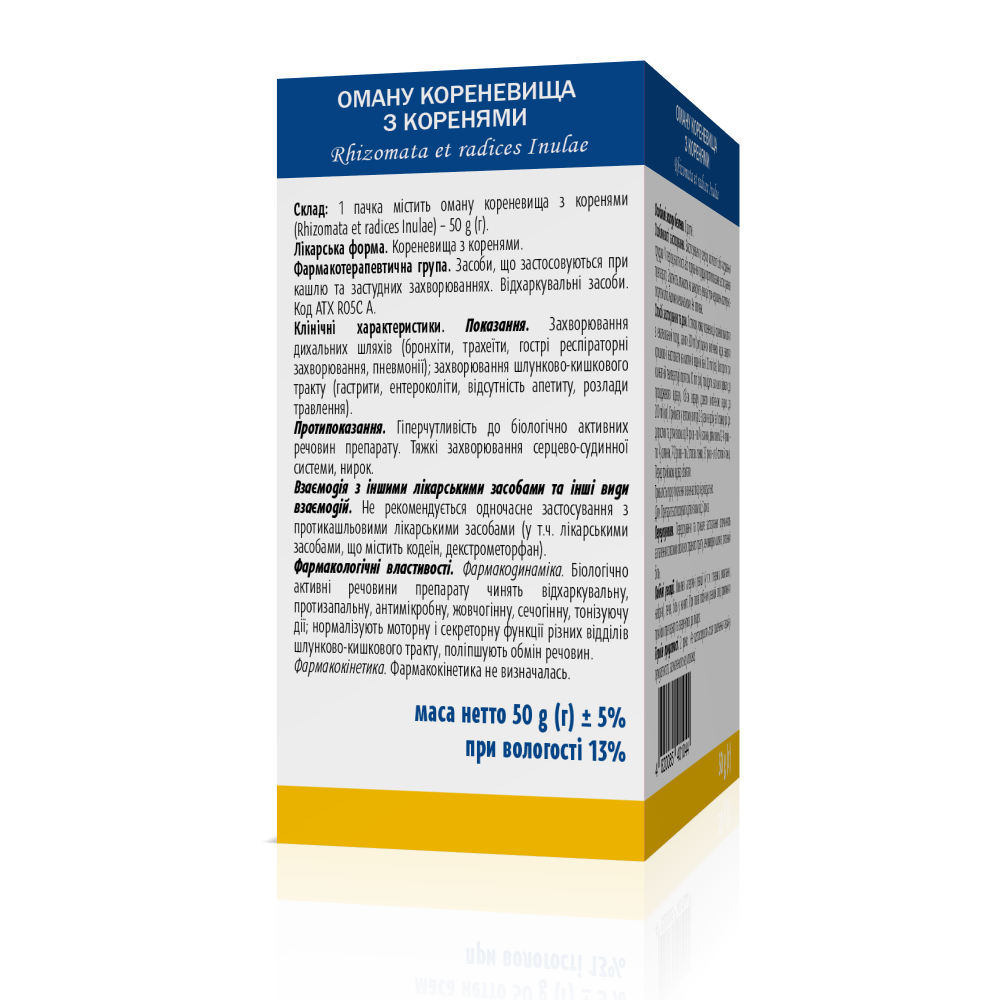
Composition:
active ingredient: rhizome with roots (Rhizomata et radices Inulae);
1 pack contains rhizomes with roots (Rhizomata et radices Inulae) – 50 g; 1 filter bag contains rhizomes with roots (Rhizomata et radices Inulae) – 4 g.
Medicinal form. Rhizomes with roots.
The main physical and chemical properties:
crushed raw materials: pieces of roots and rhizomes of various shapes, which pass through a sieve with holes with a diameter of 7 mm. The color is grayish-brown, yellowish-white, yellowish-gray. The smell is pleasant. The taste is spicy, bitter;
coarse powder: pieces of roots and rhizomes of various shapes, 3-4 mm in size. The color is grayish-brown, yellowish-white, yellowish-gray. The smell is pleasant. The taste is spicy, bitter.
Medical products.
Drugs used for coughs and colds. Expectorants. ATX code R05C A.
Pharmacological properties.
Pharmacodynamics.
Biologically active substances of the drug have expectorant, anti-inflammatory, antimicrobial, choleretic, diuretic, tonic effects; normalize the motor and secretory functions of various parts of the gastrointestinal tract, improve metabolism.
Pharmacokinetics.
Pharmacokinetics was not determined.
Clinical characteristics.
Indication.
Diseases of the respiratory tract (bronchitis, tracheitis, acute respiratory diseases, pneumonia); diseases of the gastrointestinal tract (gastritis, enterocolitis, lack of appetite, indigestion).
Contraindication.
Hypersensitivity to biologically active substances of the drug. Severe diseases of the cardiovascular system, kidneys.
Special security measures.
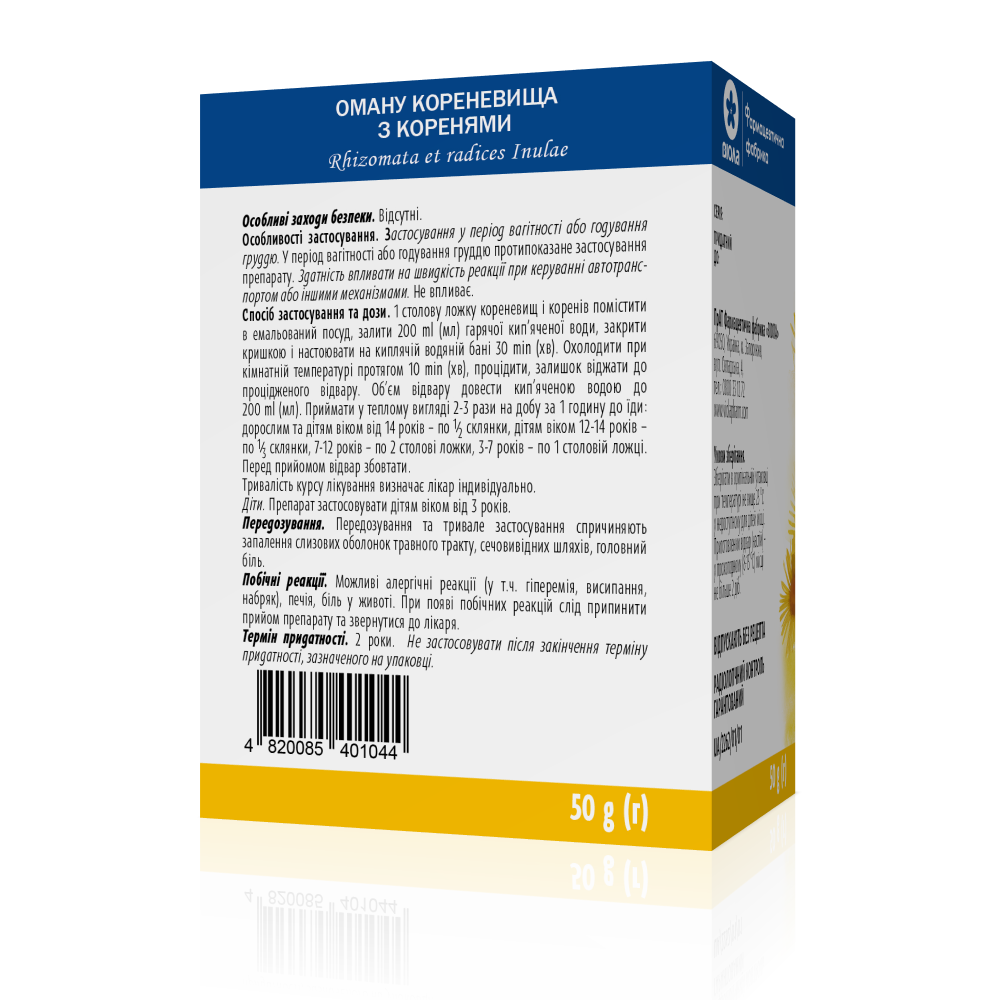
Missing.
Interaction with other medicinal products and other types of interactions.
Simultaneous use with antitussive drugs (including drugs containing codeine, dextromethorphan) is not recommended.
Features of application.
Using during pregnancy or breastfeeding.
The use of the drug is contraindicated during pregnancy or breastfeeding.
The ability to influence the speed of reaction when driving vehicles or other mechanisms.
Does not affect.
Method of application and dosage.
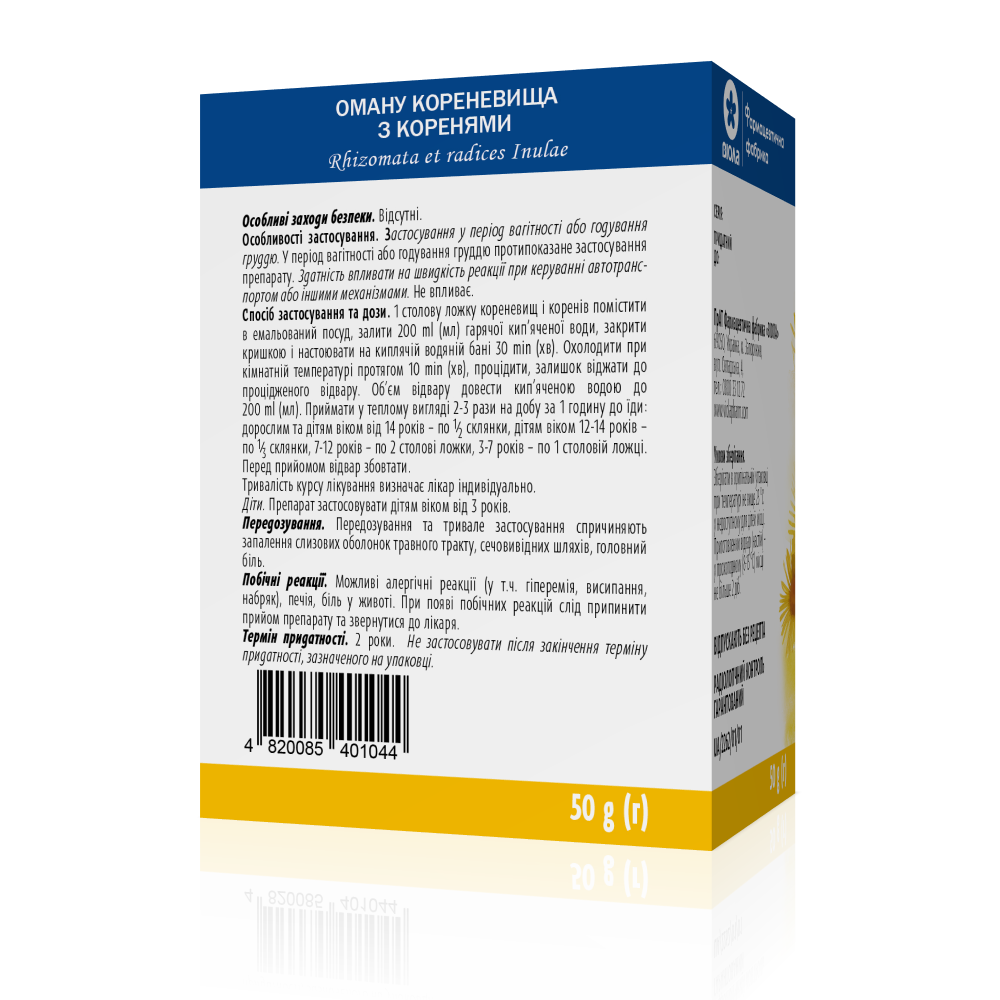
Place 1 tablespoon of rhizomes and roots in an enamel dish, pour 200 ml of hot boiled water, cover with a lid and insist in a boiling water bath for 30 minutes. Cool at room temperature for 10 minutes, strain, squeeze the residue into a strained broth. Bring the volume of the decoction to 200 ml with boiled water. Take warm 2-3 times a day 1 hour before meals: adults and children over 14 years old – ½ cup each, children 12-14 years old – ⅓ cup each, 7-12 years old – 2 tablespoons each, 3 – 7 years – 1 tablespoon each. Shake the decoction before taking.
Place 2 filter bags in a glass or enamel container, pour 100 ml of boiling water, close and infuse for 15-20 minutes. Take warm 2-3 times a day 1 hour before meals: adults and children over 14 years old – 100 ml each, children aged 12-14 years old – ⅓ cup each, 7-12 years old – 2 tablespoons each, 3 – 7 years – 1 tablespoon each.
The duration of the treatment course is determined by the doctor individually.
Children.
The drug should be used by children over 3 years of age.
Overdose.
Overdose and long-term use cause inflammation of the mucous membranes of the digestive tract, urinary tract, headache.
Adverse reactions.
Allergic reactions (including hyperemia, rash, edema), heartburn, abdominal pain are possible. If adverse reactions occur, you should stop taking the drug and consult a doctor.
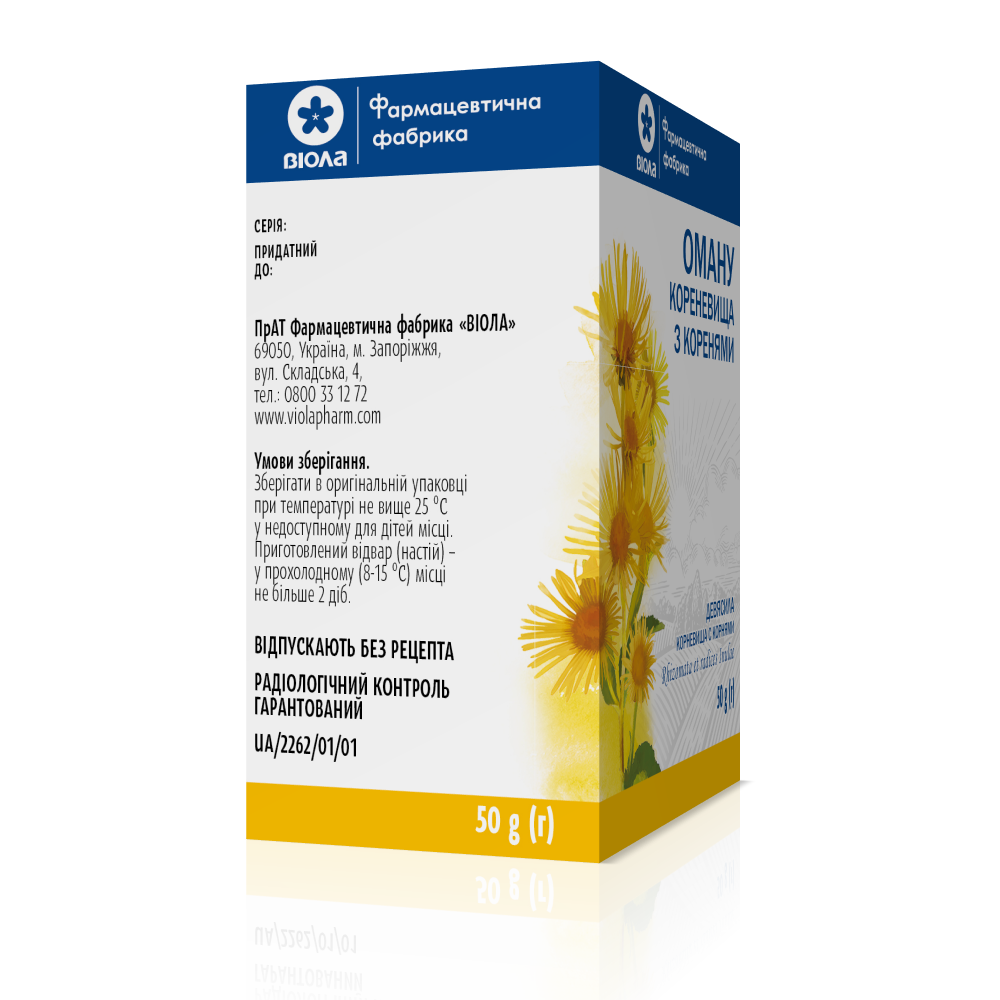
Expiration date. 2 years.
Do not use after the expiration date indicated on the package.
Storage conditions.
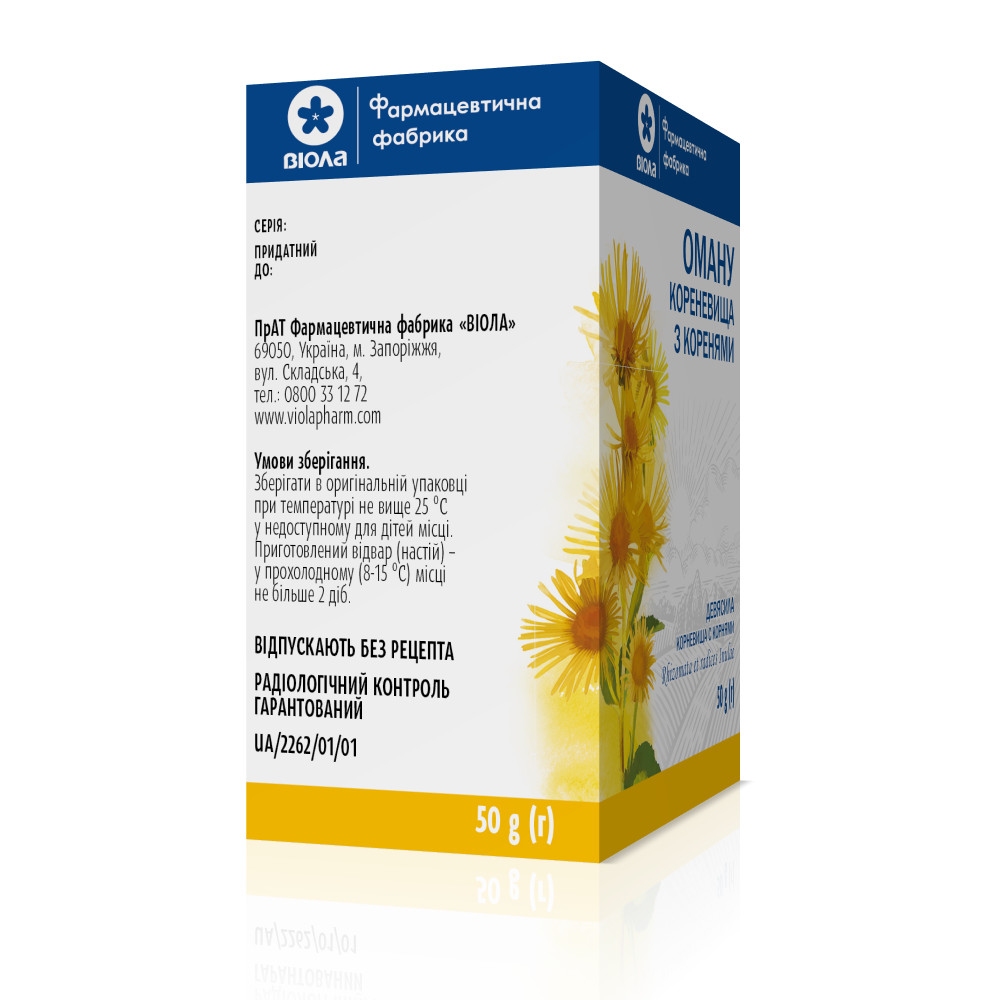
Store in the original packaging at a temperature not higher than 25 °C in a place inaccessible to children. Prepared decoction (infusion) – in a cool (8-15°C) place for no more than 2 days.
Packaging.
50 g in packs with an inner bag, 4 g in filter bag #12 or 4 g in filter bag #20.
Leave category. Without a prescription.
Producer. PrJSC Pharmaceutical factory “Viola”.
The location of the manufacturer and its address of the place of business.
69050, Ukraine, m. Zaporozhye, Skladska, 4.
The applicant PrJSC Pharmaceutical factory “Viola”.
Location of the applicant.
69063, Ukraine, Zaporozhye, Akademika Amosova, 75.
Reviews
Articles
-
 Elecampane herb: useful properties, uses and contraindications
Find out what elecampane herb helps with, its beneficial properties, use in folk medicine in the treatment of cough, joints and other diseases, as well as about the contraindications and possible harm of this plant.
Read more » -
 What herbs were in the medieval doctor’s first-aid kit
In Europe of the XIII-XVI centuries, a medieval doctor relied on knowledge of herbs, the heritage of ancient treatises and the experience of local herbalists: his first-aid kit included dozens of medicinal plants, from which infusions, decoctions, ointments and powders were prepared.
Read more »