- Historical Context
- Classical Herbalist Sources
- The main herbs of the medieval doctor’s first aid kit
- Pharmacy sage (Salvia officinalis): what it looked like and what it was used for
- Plantain (Plantago major): description, properties, application
- Common yarrow (Achillea millefolium): description, properties, application
- St. John’s wort (Hypericum perforatum): description, properties, application
- Chamomile (Matricaria chamomilla): description, properties, application
- Calendula officinalis: description, properties, application
- Marshmallow (Althaea officinalis): description, properties, application
- Regional plants used in Ukraine and Eastern Europe
- Medicinal properties and functions of herbs
- Methods of application / forms of drugs
- Cultural, magical and symbolic aspects
- Modern Meaning: What We Can Adopt
- Frequently Asked Questions
Historical Context
Why did man believe in herbs?
There were no laboratory diagnostics or antibiotics for everyday medicine; But there were centuries-old observations of the “nature” of plants and the experience of their use in wounds, fevers, colic. Trust in herbs was supported both by the practical result (astringent, antiseptic, soothing effect) and by the worldview of the era: it was believed that God left in nature the means for healing, and the “signatures” (doctrina signaturarum) hint at the benefits of the plant by its appearance and smell. This is how the medieval first-aid kit was formed – a mixture of the rational and the symbolic.
The Role of Herbalists and Pharmacies in Medieval Medicine
In addition to university doctors, a significant role was played by monastic monks, city pharmacists and wandering healers. Monastery gardens (hortus conclusus) became living laboratories where sage, St. John’s wort, chamomile, marshmallow, and thyme were grown. Pharmacists bought dried raw materials at fairs, mixed compositions (electuaries (thick medicinal masses), syrups, plasters), kept records, and medieval herbalists described how to recognize genuine raw materials and how to store them.


Classical Herbalist Sources
Dioscorides and his “Materia Medica”
Dioscorides’ ancient work became a doctor’s handbook: through Latin translations and commentaries, he set the canon for describing plants – from the botanical image to the method of preparation. The Medieval Medicine read it together with Galen, correlating the temperaments of a person with the “qualities” (warm/cold, dry/moist) of medicinal plants.
Herbalists of Platearia and the “Garden of Health”
Platearius’ “Circa instans”, as well as the popular illustrated “Garden of Health” (Gart der Gesundheit), systematized the European experience: which herbs are better for wounds, which gargles, how to prepare a compress for joint pain. These books taught the doctor to see in the plant not only a symbol, but also a practical means.
Other medieval treatises
Hildegard of Bingent’s Physica, Tacuinum Sanitatis (on hygiene and nutrition), and late Renaissance herbariums were widely read. From them, the medieval doctor drew both the recipe and the ethical-religious view of healing.
The main herbs of the medieval doctor’s first aid kit
Below are seven characteristic plants from the European first-aid kit (descriptions adapted to historical practice). The wording is of a reference and historical nature and does not constitute medical advice.
Pharmacy sage (Salvia officinalis): what it looked like and what it was used for
Silvery-green leaves with a strong aroma, purple flowers. He was considered the “king of the garden”: the leaves were dried, brewed for gargling, applied to wounds; Mastics with sage were applied for inflammation of the gums. Doctors appreciated the astringent and “drying” effect on the mucous membranes, used for colds and sweating.
Plantain (Plantago major): description, properties, application
Rosette of wide leaves with parallel veins, long spikelets. Fresh leaf was applied to cuts and bites, gruel – under the bandage; The decoction was used to wash wounds. Plantain is a typical plant in folk medicine: affordable, recognizable, with a mild astringent and hemostatic effect.
Common yarrow (Achillea millefolium): description, properties, application
Pinnate “thousand-leaved” leaves, white/pink heads. It was used as part of the “soldier’s herbs” to stop bleeding, with stomach cramps and as a bitter for digestion. The decoction was used to make lotions for bruises and sprains.
St. John’s wort (Hypericum perforatum): description, properties, application
The leaves are strewn with light dots-“holes”, golden flowers. Oil extracts (oleum Hyperici) were used for bruises, wounds, as a “sun” remedy for despondency and “gloomy mood”. The infusion was used as a mild antiseptic for rinsing.
Chamomile (Matricaria chamomilla): description, properties, application
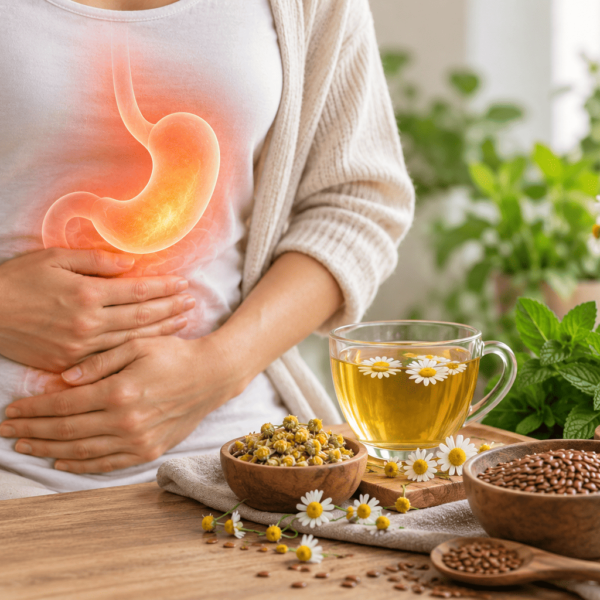
Fragrant baskets with a hollow receptacle. Infusion – for inhalation, eye washing, mouthwashing; compresses – for skin inflammation. Doctors appreciated the antispasmodic and sedative effect, prescribed for flatulence and gastric discomfort and gastric troubles.
Calendula officinalis: description, properties, application
Orange inflorescences; leaves and baskets with a pronounced aroma. Infusion and ointments with calendula – for wounds, burns, acne; gargling and oral cavity. In treatises, it was called a sunny herb, useful “for hot tumors”.
Marshmallow (Althaea officinalis): description, properties, application
Tall stem, large soft leaves, pale pink flowers; The root, rich in mucus, was appreciated. Decoctions and syrups – for cough, throat irritation; poultices – on inflamed areas of the skin. It was considered “softening” and “enveloping”.
Regional plants used in Ukraine and Eastern Europe
Monastic and rural traditions included linden blossom (for sweating and colds), viburnum (Viburnum opulus) for colds and as a symbol of cleansing, bitter wormwood (Artemisia absinthium) for digestion and against “miasma”, stinging nettle for hemostatic and spring “tonic”, oak bark for rinses and lotions, black elderberry for “diaphoretic and cold”, elecampane (Inula helenium) – for cough, motherwort (Leonurus cardiaca) – “calming the heart”, thyme (Thymus serpyllum) – aromatic baths and inhalations. These herbs in Europe of the Middle Ages were close and understandable to local communities.
Quick Guide: Basic Herbs – Medieval Use and Modern Status
Here is a summary of key herbs, from medieval practice to current status, to quickly navigate without delving into details
| Plant | Medieval use (briefly) | Current status |
| Sage (Salvia officinalis) | Rinses, gums, wounds | Officially/popularly; Rinses, extracts |
| Chamomile (Matricaria chamomilla) | Compresses, inhalations, “from the winds” | Officially/popularly; anti-inflammatory/antispasmodic |
| Calendula (Calendula officinalis) | Wounds, burns, rinses | Officially/popularly; External forms |
| Plantain (Plantago major) | Hemostatic, wound healing | People; External forms, extracts |
| Yarrow (Achillea millefolium) | Hemostatic, digestion | People; with caution during the internal. Applying |
| St. John’s wort (Hypericum perforatum) | Infusions/oils “for despondency”, wounds | Folk / medicines. Extracts; interaction with medicines |
Note: the table is for historical and reference purposes; is not a medical recommendation.
Medicinal properties and functions of herbs
Antiseptic, anti-infective effect
Astringent barks and herbs (oak, plantain, yarrow, calendula) were used for washing wounds and gargling. Aromatic plants (sage, thyme, St. John’s wort) were used as “air purifiers” in the miasmatic explanation of diseases. This is an early herbal medicine, even before the emergence of the germ theory, but with real anti-inflammatory potential.
Sedative, hypnotic, analgesic effect
Chamomile, valerian, motherwort helped to “tame the spirit and calm the pain.” Lotions with warm infusions, fragrant pillows with hops and herbs were used for insomnia and anxiety. In medieval herbalists, opium poppy was also mentioned, but in monasteries they often relied on soft potions.
Digestive, tonic, astringent and other actions
Bitters (wormwood, yarrow) “fanned the fire of the stomach”, relieved heaviness after eating; linden blossom and elderberry were considered “diaphoretic” for fevers; Marshmallow softened his cough; Nettle and plantain stopped the blood. In this way, the medicinal properties of plants were built into a practical system.
Methods of application / forms of drugs
Infusions, decoctions
The main everyday uniform. The grass was poured with hot water (infusum) or boiled (decoctum) for denser raw materials – roots, bark. Infusions were used to gargle, wash the eyes, make lotions, and give them to “drink in sips” for stomach ailments.
Ointments, potions, powders
Ointments (unguentum) were prepared on a fatty basis from melted lard, oil, wax; rubbed into painful places or applied under a bandage. Syrups (sirupi) were made sweet with honey, often with spices; Powders (pulvis) were added to wine or water to enhance the flavor and effect.
Compresses, plasters, applications
Warm compresses from decoctions (cataplasma) were applied for bruises, abscesses, joint pain. Plasters and bandages were impregnated with decoctions of calendula, plantain, yarrow. Such external use allowed the medieval doctor to avoid “harm to the stomach” and work locally.
Cultural, magical and symbolic aspects
Legends and beliefs about herbs
St. John’s wort was considered “sunny” – it banishes darkness and “blues”. Calendula and chamomile were associated with purity and renewal. Plantain is a “traveler”: it helps on the road and on the battlefield. Wormwood was hung in houses from the “evil eye” and “miasma”. These plots increased confidence in the means and enhanced the effect of suggestion.
Herbs in healing rituals
On Ivan Kupala, “seven herbs” were collected, bouquets were consecrated in the temple and dried for a year. Potions were accompanied by prayers and the reading of psalms; Touching relics and herbal smoke (fumigatio) constituted a single healing ritual.
Modern Meaning: What We Can Adopt
Modern successor plants
Sage, chamomile, calendula, plantain, yarrow are still included in official pharmacopoeias; St. John’s wort oils are used externally. We have methods of standardization, an understanding of contraindications and drug interactions – something that Medieval medicine did not know.
How Knowledge of Medieval Herbs Can Inspire Herbal Medicine Today
It is useful to adopt respect for raw materials (proper collection, drying, storage), the ability to combine forms (infusion + ointment), attention to local species and seasonality. But modern herbal medicine is evidence-based: it checks dosages, takes into account interactions (for example, in St. John’s wort), and excludes potentially toxic species. In other words, tradition is preserved and security is enhanced.
Frequently Asked Questions
What were the most versatile herbs in a medieval medicine cabinet?
For “universal” remedies, plantain (wounds, bites), chamomile (inflammation, spasms), sage (gargles, gums), yarrow (hemostatic) were often chosen. These herbs were accessible and understandable to the majority.
They were often grown in homes and monasteries, which made it easier to control raw materials and reduce the risk of counterfeiting. Thanks to their availability, these plants have become part of everyday care.
Were chemicals used or only plants?
Medicinal plants served as the basis, but minerals (salts, sulfur, white lead in external ointments) and animal products (fats, wax) were also used. However, it was the herbal forms that prevailed.
Is it possible to apply recipes from medieval herbalists today?
Some principles are yes (sage rinses, chamomile compresses), but the formulations should be adapted to modern safety standards. Before using any means, consult a specialist.
Historical formulations are appropriate only as an adjunct care and only after checking compatibility with current therapy. Dosages and contraindications should be checked with a specialist.
How to distinguish genuine raw materials from fakes?
Historically, they relied on the “signatures of nature” and the experience of the pharmacist; today it is for standardized pharmacopoeia requirements, legal supplies, Latin names on packaging and certificates. This reduces the risk of replacing raw materials.
Look for the Latin name (e.g., Salvia officinalis), pharmacopoeia standards, and harvest date/batch. Reliable suppliers provide certificates and storage conditions.
Why are so many of those herbs forgotten now?
Some types turned out to be less effective, some were unsafe; others have supplanted synthetic drugs. Much has survived the era due to its proven benefits (chamomile, sage, calendula), the rest has remained in the history of medieval herbalists as a cultural heritage.
They have been replaced by drugs with predictable doses and safety profiles. Some plants are recognized as toxic or requiring control, so they have left household practice.
Conclusion
The medieval first-aid kit combined the experience of monastery gardens, ancient treatises and local traditions. Medieval doctors worked with available resources, creating infusions, ointments, compresses, and powders from medicinal plants. Today, while respecting the herbal heritage, modern practice relies on standardization, evidence-based and safety – this is the best way to maintain the tradition and benefit from it.