
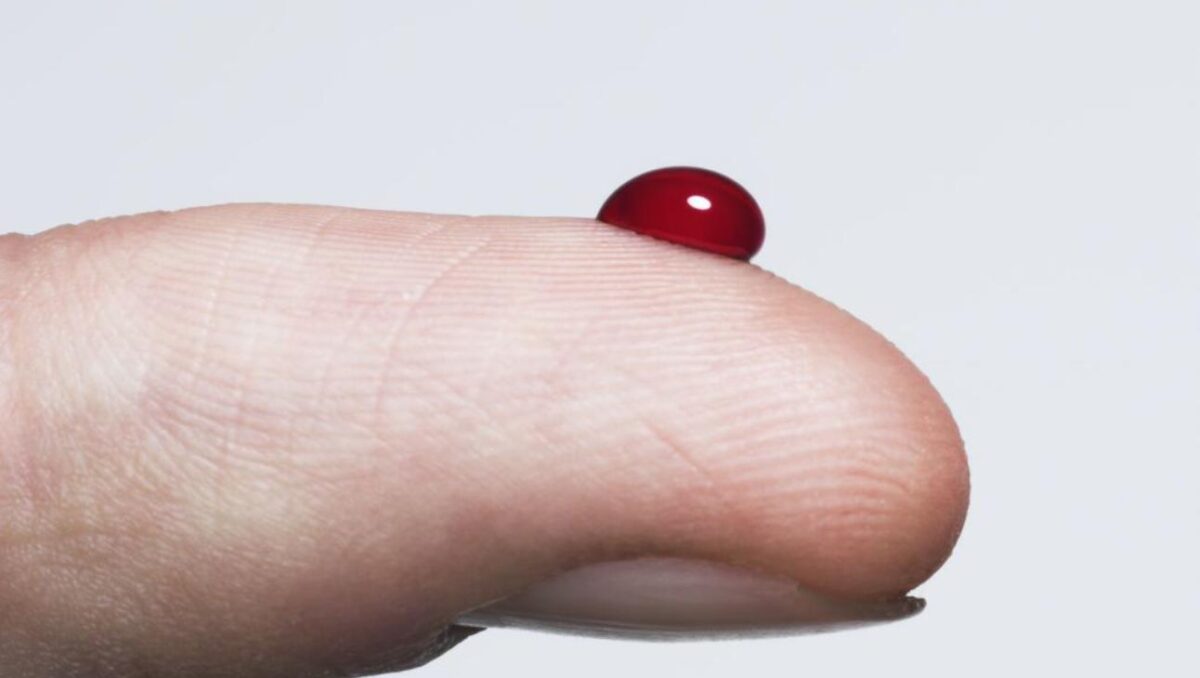
Hemostatic action is the property of certain substances or medical procedures to stop bleeding. Hemostatics are agents that promote blood clotting or constriction of blood vessels to prevent blood loss. They can be used both to stop external bleeding and for internal bleeding resulting from injuries, surgery or diseases.
There are different types of hemostatic agents. Mechanical hemostatics, such as tourniquets, bandages, and compression bandages, physically stop bleeding by applying pressure to blood vessels. Chemical hemostatics, such as hydrogen peroxide, are used to accelerate blood clotting. Pharmacological agents such as tranexamic acid and ethamsylate help improve blood clotting at the level of the circulatory system. Biological hemostatics, such as fibrin glue and thrombin, are used in surgery to achieve rapid and reliable bleeding control.
Hemostatic agents are widely used in medicine for emergency care for injuries, during operations and in the treatment of various diseases accompanied by increased bleeding. It is important to take into account the individual characteristics of the patient and possible contraindications when using hemostatic agents, therefore, their prescription and use should be carried out under the supervision of a medical specialist.