

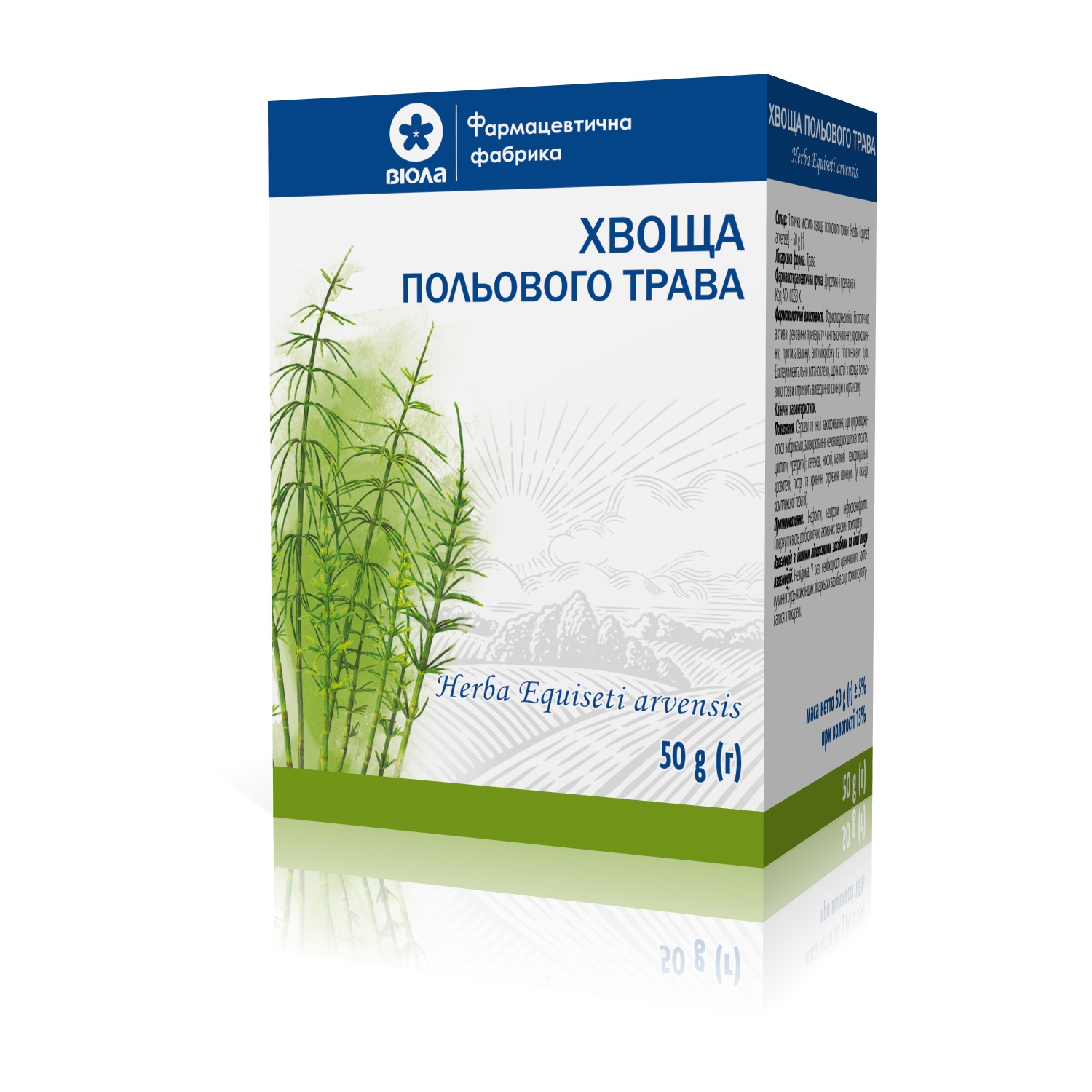


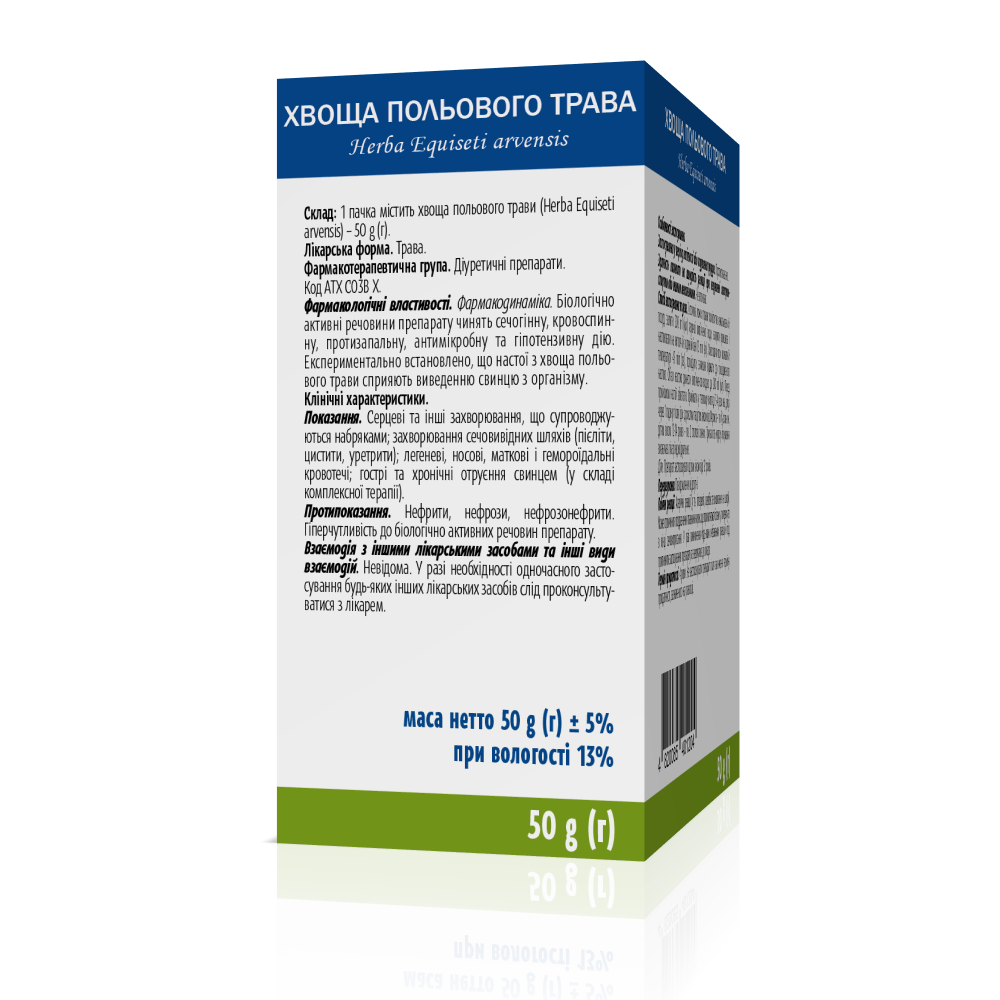
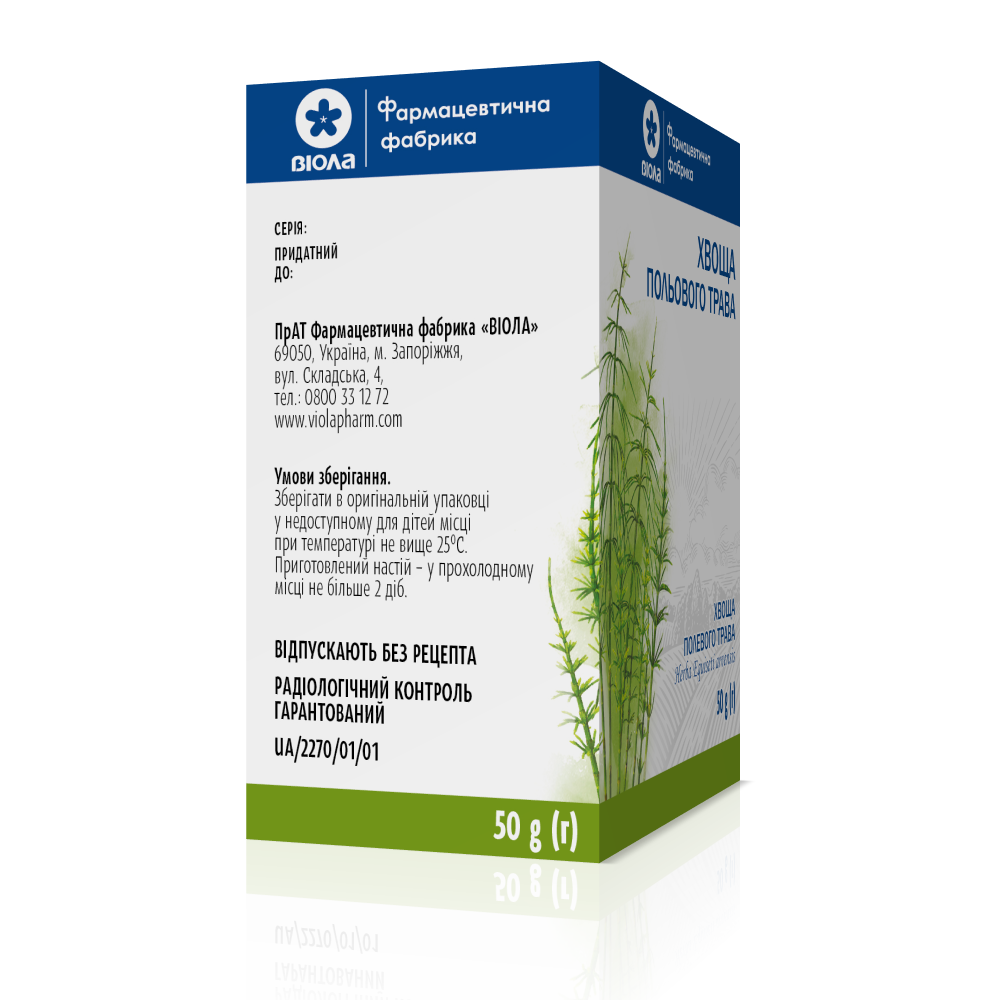
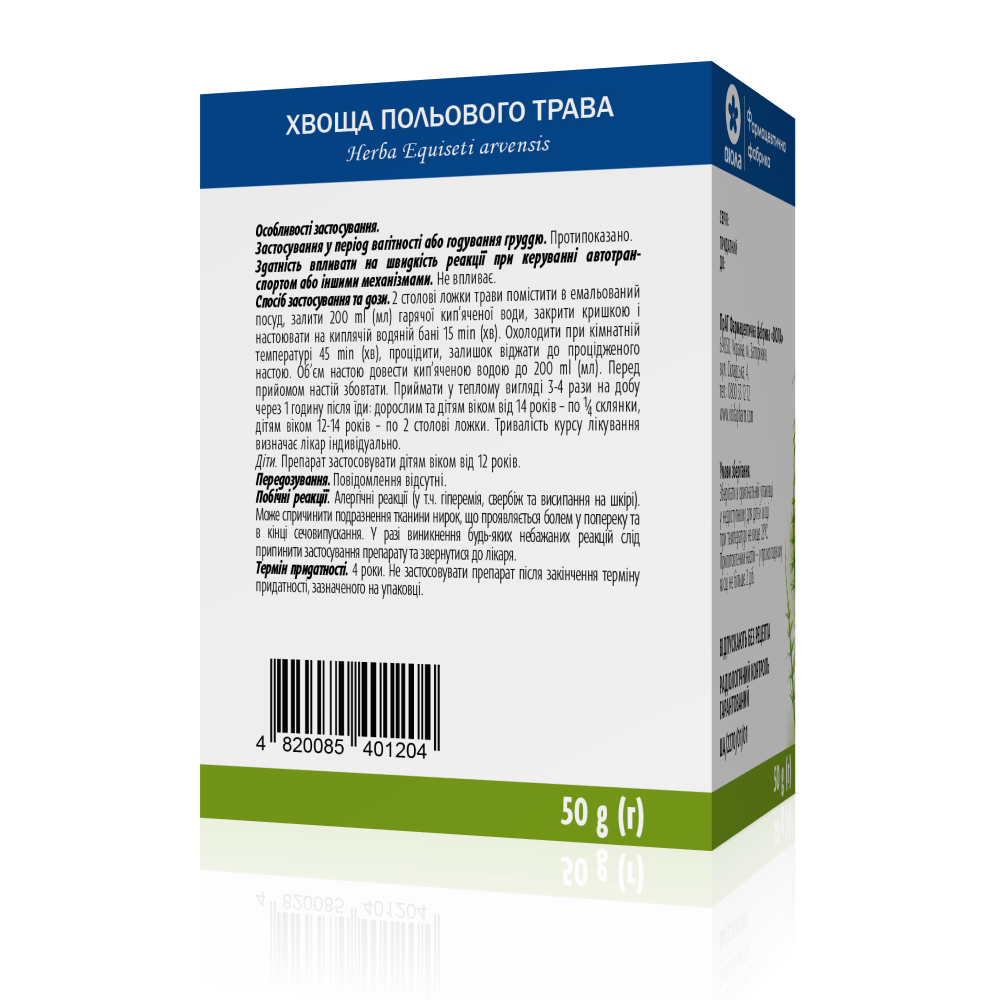
Horsetail field grass 50 g
Cardiac and other diseases accompanied by edema; diseases of the urinary tract; pulmonary, nasal, uterine and hemorrhoidal bleeding; acute and chronic lead poisoning
Adults and children over 12 years old
1 hour after eating
Adults and
children aged 14 and over
children aged 12-14 years
children aged 7-12 years
children aged 3-7 years
In warm form
*see instructions
Determined by the doctor individually
Increased sensitivity to the components of the drug
Nephritis, nephrosis, nephrozonephritis
Description
The drug of natural origin has an anti-inflammatory and diuretic effect, neutralizes pathogenic microorganisms, helps reduce blood pressure and effectively stops bleeding.
Suitable for adults and children over 12 years old.
If you suffer from pyelonephritis, cystitis, urethritis, edema of cardiac or other origin, pulmonary, hemorrhoidal, uterine or epistaxis, try horsetail herb.
In addition to the fact that the drug has a pronounced diuretic effect, it relieves inflammation, lowers blood pressure and helps to get rid of edema.
Horsetail herb can be used to treat acute or chronic lead poisoning, as the drug helps remove the heavy metal from the body.
To prepare the infusion, you need 2 tbsp. spoons pour 200 ml of boiling water and insist 15 minutes in a water bath. Adults take a quarter of a glass warm 1 hour after meals 3-4 times a day.
Composition:
active ingredient: horsetail (Herba Equiseti arvensis);
1 pack contains horsetail (Herba Equiseti arvensis) – 50 g; 1 filter bag contains horsetail (Herba Equiseti arvensis) – 1.5 g.
Medicinal form. Grass.
The main physical and chemical properties:
chopped raw material: pieces of stems and branches, partly with knots and sheaths, which pass through a sieve with a diameter of 7 mm. The color is grayish-green. The smell is weak. The taste is slightly sour;
coarse powder: pieces of stems and branches partly with knots and sheaths that pass through a sieve with a diameter of 2 mm. The color is grayish-green. The smell is weak. The taste is slightly sour.
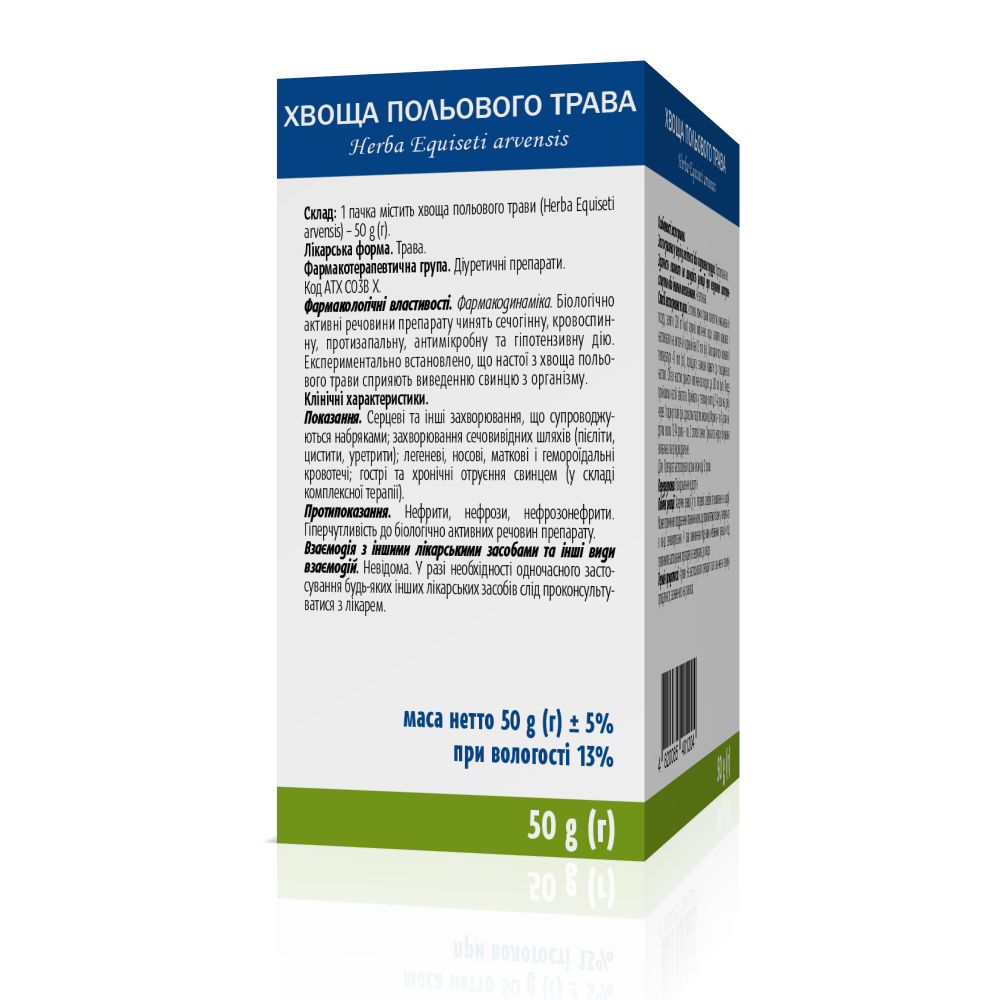
Pharmacotherapeutic group. Diuretic drugs.
ATX code C03B Kh.
Pharmacological properties.
Pharmacodynamics.
Biologically active substances of the drug have a diuretic, hemostatic, anti-inflammatory, antimicrobial and hypotensive effect. It has been experimentally established that horsetail infusions contribute to the removal of lead from the body.
Clinical characteristics.
Indication.
Cardiac and other diseases accompanied by edema; diseases of the urinary tract (pyelitis, cystitis, urethritis); pulmonary, nasal, uterine and hemorrhoidal bleeding; acute and chronic lead poisoning (as part of complex therapy).
Contraindication.
Nephritis, nephrosis, nephrozonephritis. Hypersensitivity to biologically active substances of the drug.
Interaction with other medicinal products and other types of interactions. Unknown If it is necessary to use any other medicines at the same time, you should consult a doctor.
Features of application.
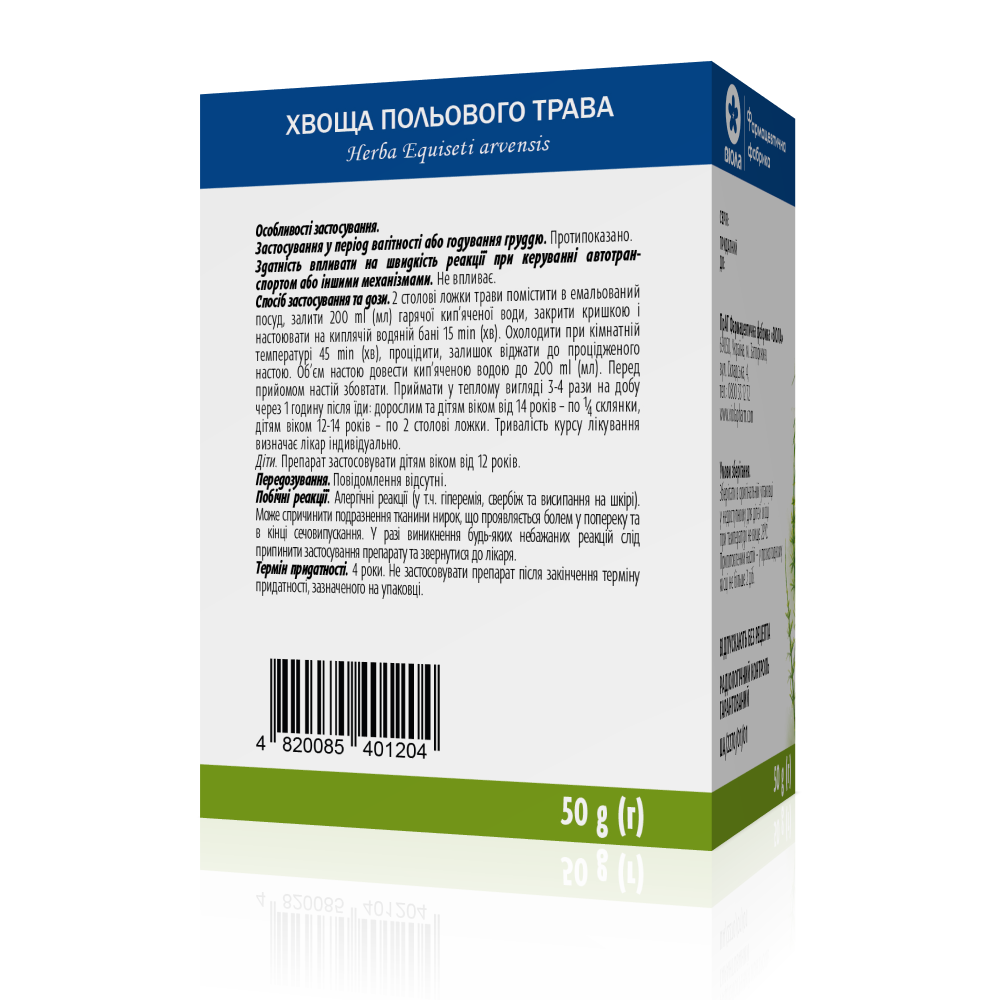
Using during pregnancy or breastfeeding. Contraindicated.
The ability to influence the speed of reaction when driving vehicles or other mechanisms. Does not affect.
Method of application and dosage.
Place 2 tablespoons of the herb in an enamel dish, pour 200 ml of hot boiled water, cover with a lid and insist in a boiling water bath for 15 minutes. Cool at room temperature for 45 minutes, strain, and squeeze the remainder into a strained infusion. Bring the volume of infusion to 200 ml with boiled water. Shake the infusion before taking.
Take warm 3-4 times a day 1 hour after meals: adults and children over 14 years old – ¼ cup each, children aged 12-14 years old – 2 tablespoons each.
Place 2 filter bags in a glass or enamel container, pour 200 ml of boiling water, close and infuse for 15 minutes. Take warm 3-4 times a day 1 hour after meals: adults and children over 14 years old – ½-1 cup each, children 12-14 years old – ¼ cup each.
The duration of the treatment course is determined by the doctor individually.
Children. The drug should be used by children over 12 years of age.
Overdose.
There are no messages.
Adverse reactions.
Allergic reactions (including hyperemia, itching and rash on the skin). May cause irritation of kidney tissue, manifested by pain in the lower back and at the end of urination.
In case of any unwanted reactions, you should stop using the drug and consult a doctor.
Expiration date. 4 years.
Do not use the drug after the expiration date indicated on the package.
Storage conditions.
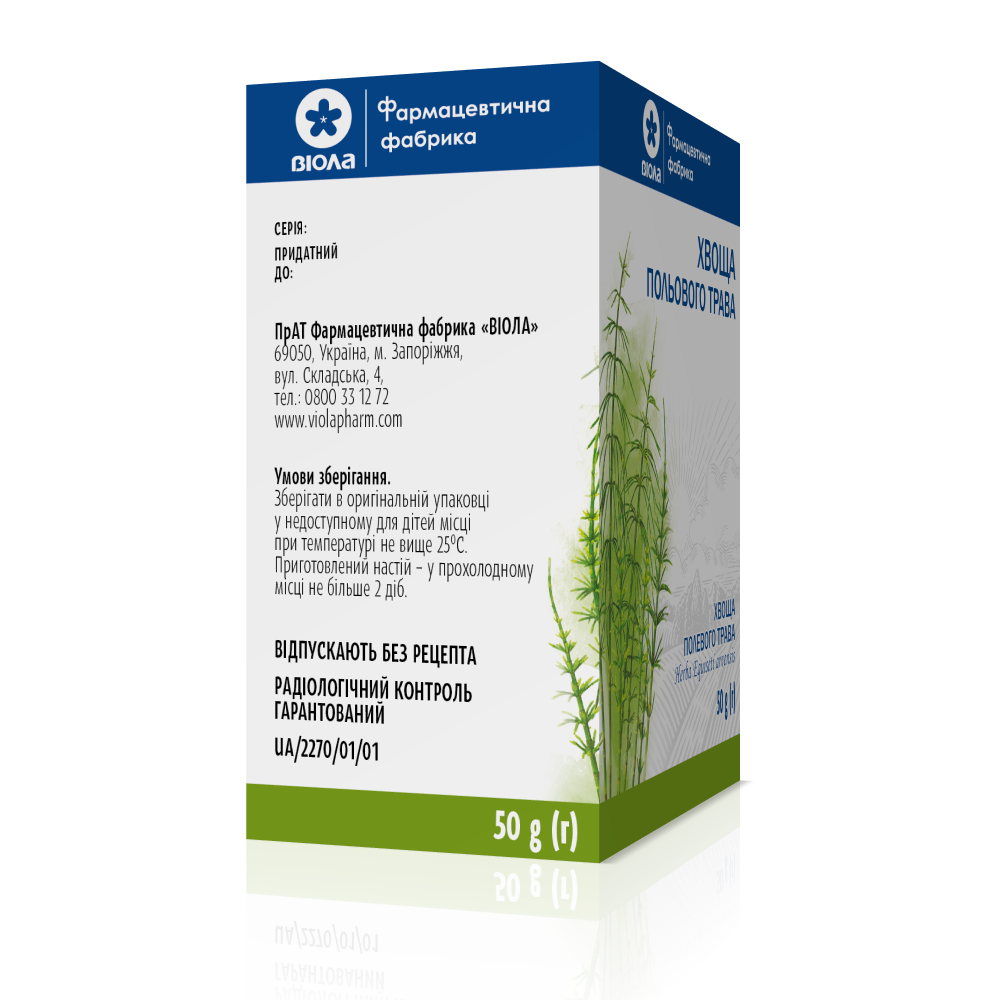
Store in the original packaging in a place inaccessible to children at a temperature not higher than 25 °C. Prepared infusion – in a cool place for no more than 2 days.
Packaging.
50 g each in packs with an inner bag; 1.5 g each in a filter bag; 20 filter packs in a pack.
Leave category. Without a prescription.
Producer. PrJSC Pharmaceutical factory “Viola”.
The location of the manufacturer and its address of the place of business.
69050, Ukraine, m. Zaporozhye, Skladska, 4.
The applicant PrJSC Pharmaceutical factory “Viola”.
Location of the applicant.
69063, Ukraine, Zaporozhye, Akademika Amosova, 75.
Reviews
Articles
-
 Horsetail: medicinal properties and application
Horsetail (lat. Equisetum arvense) is a medicinal horsetail that is traditionally used in herbal medicine as a diuretic and as a component for external care. It is valued for its combination of silicon compounds and plant biologically active substances.
Read more » -
 How to read blood tests for deficiencies: ferritin, vitamins and the role of herbs in supporting the body
Many people receive test results and do not understand what the numbers and marks next to the indicators mean. Ferritin, vitamin D, and B12 are the most frequent questions because they are the ones that have a lot of discussion and anxiety.
Read more » -
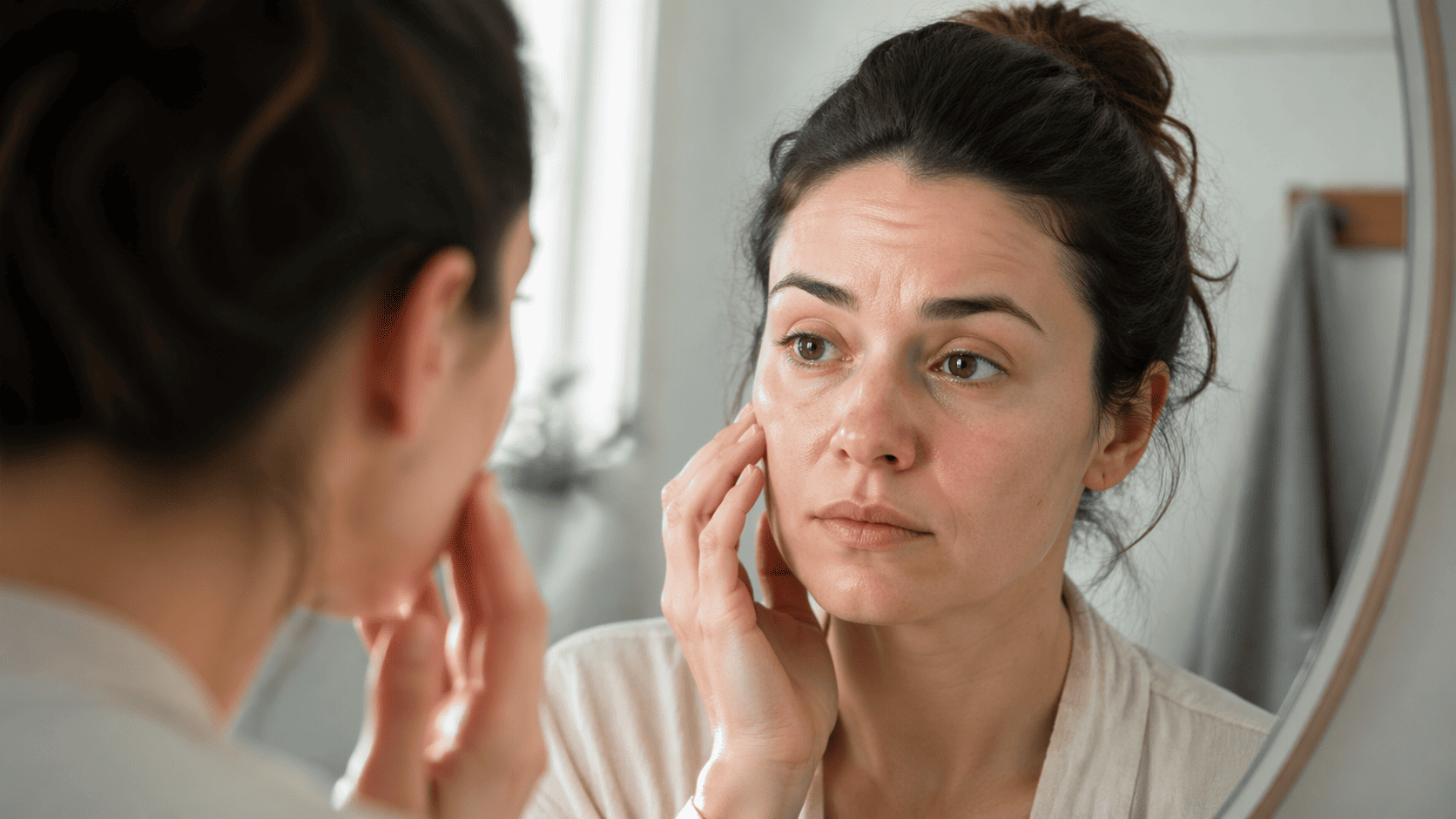 Edema in the morning: normal or a signal of health problems
Do you wake up, look in the mirror – your face seems swollen, and puffiness is noticeable under the eyes? This situation is familiar to many, and it is often perceived as something ordinary. But sometimes the body gives a signal in this way that should not be ignored.
Read more »
Let’s figure out why you wake up with edema, whether it’s normal or not, and in what cases you should pay special attention to it.