What is Elderberry: Biological Description
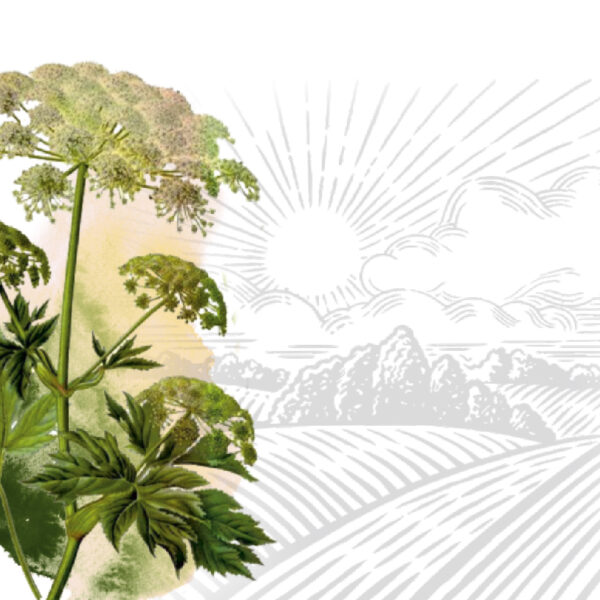
The black elderberry (Sambucus nigra) is a shrub or small tree belonging to the viburnaceae family. The plant is found in temperate and subtropical regions of Europe, Asia and North Africa. The black elderberry can reach heights of up to 6 meters, has pinnate leaves and small, fragrant white or cream flowers that are collected in large inflorescences. The fruits of the black elderberry are black or dark purple berries.
Useful properties of black elderberry
Black elderberry (Sambucus nigra) has many beneficial properties due to its rich chemical composition. Its berries contain vitamins A, C and group B, as well as minerals such as potassium, iron and magnesium. Of particular importance are flavonoids and anthocyanins, which are powerful antioxidants. These substances help neutralize free radicals in the body, which slows down the aging process and reduces the risk of developing chronic diseases such as cardiovascular disease and cancer. Additionally, elderberry has antiviral and anti-inflammatory properties, making it effective in treating and preventing infectious diseases, including the flu and the common cold.
In addition to its antioxidant and antiviral properties, black elderberry helps improve the immune system and overall strengthen the body. Studies have shown that regular consumption of elderberry products can reduce the duration and severity of cold symptoms. Elderberry extracts stimulate the production of cytokines, proteins that play a key role in the body’s immune response. This makes elderberry a valuable component in various food supplements and natural medicines. In the food industry, elderberry is used as a natural dye and antioxidant, increasing the nutritional value of foods and their shelf life.
Use in medicine
Black elderberry flower tea for coughing
Elderflower tea is an effective remedy for coughs and colds. The flowers of this plant contain numerous bioactive substances, such as flavonoids and essential oils, which help thin phlegm and facilitate expectoration. Due to these properties, elderflower tea helps reduce throat irritation and improve breathing.
This tea also has a diaphoretic effect, which is especially useful for elevated temperatures. It stimulates sweating, helping to lower the temperature and alleviate the general condition of the patient. For the preparation of such tea, dried black elderberry flowers are usually used, which are poured with hot water and kept for several minutes. Drinking this beverage regularly can significantly alleviate cold symptoms and speed up the healing process.
Black elderberry flowers for immunity
Black elderberry flowers are also widely used as a means to strengthen the immune system. Their beneficial properties are due to the high content of antioxidants and vitamins that stimulate the protective functions of the body. The use of infusions and extracts from black elderberry flowers helps to increase immunity, which helps the body effectively fight infections and prevent a variety of diseases.
The inclusion of elderflowers in the diet is especially useful during seasonal epidemics of flu and colds, when the body needs additional support. Elderflower can be used to make teas, infusions, or added to various dishes and drinks. Regular use helps not only to strengthen the immune system, but also to improve overall health due to a huge number of nutrients.
Black elderberries are known for their powerful antiviral and anti-inflammatory properties. They contain biologically active substances such as anthocyanins, flavonoids and phenolic acids, which have a significant effect on the immune system. Studies have shown that extracts from elderberries can effectively fight viruses, including influenza viruses, by reducing the duration and severity of symptoms of the disease.
The anti-inflammatory properties of elderberries help reduce inflammation in the body. This makes them useful in treating various inflammatory diseases, such as arthritis and other chronic inflammatory conditions. Elderberries can be consumed fresh, in the form of infusions, extracts, or supplements. Their regular use helps to improve health and increase the body’s overall resistance to infections.

Contraindications and possible side effects
Despite its many beneficial properties, black elderberry has contraindications and can cause side effects. It’s important to remember that elderberries contain toxic compounds that can cause nausea, vomiting, and diarrhea when raw. Therefore, before use, the berries must be subjected to heat treatment.
Pregnant and lactating women are advised to refrain from eating black elderberry products because their effects on fetal and infant development are not well understood. Children under the age of 12 should also not be given elderberry-based preparations without consulting a doctor.
Eating elderberries in large amounts can lead to gastrointestinal upsets, such as abdominal pain, diarrhea, and bloating. If you plan to use black elderberry for medicinal purposes, be sure to consult your doctor to avoid possible negative effects and determine the optimal dosage.
Black elderberry in cosmetology and cooking
Black elderberry is widely used in both cosmetology and cooking due to its many beneficial properties. In cosmetology, extracts from elderberries and flowers are used in various care products: creams, lotions, masks and serums. These extracts are rich in antioxidants, which slow down the aging process of the skin, and anti-inflammatory components, which reduce redness and irritation. Products based on black elderberry moisturize the skin, improve its tone and texture, giving it a fresh and healthy look.
In cooking, black elderberry also occupies a significant place. The berries are used to make jams, jams, syrups, juices and tinctures. Elderflower is used to make aromatic tea and syrups that can be added to various drinks and desserts. Elderflower syrup is a popular ingredient in cocktails and lemonades, adding a delicious flavor to them.
Literature:
- “Bioactive Compounds from Elderberry: Extraction, Health Benefits, and Food Applications”
- “Elderberry Extracts: Characterization of the Polyphenolic Chemical Composition, Quality Consistency, Safety, Adulteration, and Attenuation of Oxidative Stress- and Inflammation-Induced Health Disorders”
- “Potential Use of Elderberry (Sambucus nigra L.) as Natural Colorant and Antioxidant in the Food Industry”
- “Elderberry as a Medicinal Plant”
- “Antiviral Properties of Elderberry (Sambucus nigra L.)”
Author: Natalia Kandybey, Candidate of Pharmaceutical Sciences, Quality Director of PJSC Pharmaceutical Factory “VIOLA”
The information provided is not medical advice and does not replace professional health recommendations.
The information is based on scientific literature and is provided for informational purposes only.