
- What symptoms can occur from the gastrointestinal tract?
- Why pain, heaviness and bloating can occur
- What can be done for mild stomach discomfort?
- Nutrition for heaviness and discomfort after eating
- What foods can aggravate symptoms?
- What to do with bloating and minor cramps?
- Herbal remedies for mild gastrointestinal disorders
- Example of a menu for a day for discomfort after eating
- What not to do with pain and discomfort in the stomach
- When to see a doctor
- Does stomach pain always mean gastritis?
- How to reduce the likelihood of recurrence of discomfort
- Frequently Asked Questions
- What can I eat if I have a stomach ache after eating?
- What to do if you feel heaviness after eating?
- Do I need to give up coffee?
- Are milk and fermented milk products allowed?
- What can help with bloating?
- Can chamomile be used for abdominal discomfort?
- Can flax seeds be used?
- Does stomach pain mean that it is gastritis?
- Conclusion
Pain or burning in the upper abdomen, heaviness after eating, bloating, nausea, or a feeling of fullness are symptoms that many people experience from time to time. They can occur after too large a portion, unusual or fatty foods, alcohol, stress, or due to an individual reaction of the digestive system.
Such manifestations do not indicate one specific disease. Similar symptoms can have different causes, so stomach pain should not be automatically called “gastritis”, and bloating should not be automatically called a sign of a certain disease. If symptoms recur, worsen, or significantly affect well-being, it is important to establish their cause.
For mild and short-term gastrointestinal disorders, it is sometimes sufficient to adjust the diet, portion sizes, and eating patterns. For symptomatic support, individual herbal remedies can also be used according to the information on their use.
What symptoms can occur from the gastrointestinal tract?
Discomfort from the digestive system can manifest itself in different ways. Sometimes a person feels only slight heaviness after eating; in other cases, pain, nausea, or bloating come to the fore.
Common manifestations include:
- pain or discomfort in the upper abdomen;
- burning;
- feeling of heaviness after eating;
- early satiety;
- feeling full even after a small portion;
- bloating;
- minor cramps;
- nausea;
- belching;
- loss of appetite.
Symptoms can occur separately or be combined with each other. For example, after a large portion of food, a person may feel heaviness, fullness, and bloating at the same time.
It is also important to assess not only the nature of the sensations, but also how long they last and how often they recur. One-time discomfort after unusual food and symptoms that persist for several weeks require a different approach.
Why pain, heaviness and bloating can occur
There can be many causes of discomfort, and it is not always possible to determine them independently by sensations alone.
Sometimes the symptoms have a simple explanation — for example, too large a portion or food that is poorly tolerated. In other cases, they may be due to changes in the digestive system or require a medical examination.
Large portions of food
Eating large amounts of food quickly can cause feelings of fullness, heaviness, and bloating. This can be especially noticeable after a hearty dinner or a long break between meals.
If these symptoms occur regularly after large portions, you can try to reduce their size and distribute food more evenly throughout the day.
Fatty and fried foods
Very fatty or fried foods in some people can increase heaviness, nausea, or a feeling of fullness.
This does not mean that fat should be completely excluded from the diet.
Excessively spicy or acidic foods
Spicy foods, large amounts of spices, acidic foods, or drinks are not a universal cause of gastrointestinal symptoms. However, in sensitive people, they can increase burning or discomfort.
If a certain food regularly causes discomfort, it is advisable to temporarily reduce its amount.
Alcohol
Alcohol can irritate the lining of the stomach and aggravate pain, burning, or nausea. The likelihood of such symptoms may increase when drinking large amounts of alcohol or combining it with heavy meals.
If there is regular discomfort after alcoholic beverages, it is advisable to avoid them.
Some medicines
Non-steroidal anti-inflammatory drugs, in particular medicines based on ibuprofen, naproxen, or acetylsalicylic acid, can irritate and damage the gastric mucosa.
If pain or burning has started to occur regularly while taking such medicines, this should be discussed with your doctor. It is not necessary to change the prescribed treatment yourself.
Stress and emotional tension
Stress does not automatically mean the presence of stomach disease, but in some people, emotional tension can aggravate existing gastrointestinal symptoms.
For example, cramps, nausea, abdominal discomfort, or changes in appetite may become more noticeable during stress.
Individual food intolerance
The same food can be well tolerated by one person and cause discomfort in another.
Therefore, there is no universal list of foods that necessarily cause pain or bloating. It is much more useful to track your own reaction to foods and portion sizes.
What can be done for mild stomach discomfort?
If the symptoms are minor, have occurred sporadically, and are not accompanied by alarming signs, you can start with simple changes in diet and routine.
Eat small portions
Large portions stretch the stomach more and can contribute to heaviness and fullness.
If you often feel uncomfortable after eating, you can try to reduce the portion, but eat a little more often if necessary.
This can be especially true with early satiety — a situation when the feeling of fullness appears after a small amount of food.
Take your time while eating
Eating quickly makes it difficult to control portion size. In addition, when eating in a hurry, a person may swallow more air, which can increase the feeling of bloating.
Therefore, it is better to eat calmly and chew food well.
Choose a comfortable temperature of dishes
Too hot or too cold food in sensitive people can increase discomfort.
It is not necessary to specially cool or heat food to a certain temperature — it is enough that it is comfortable.
Do not switch to a strict diet unnecessarily
With stomach discomfort, there is often a desire to leave only a few “safe” foods in the diet.
However, prolonged excessive dietary restriction can make the diet unbalanced. If a particular food is well tolerated, there is no need to exclude it just because it belongs to a certain group.
Keep a food diary
If symptoms recur after eating, you can write down the following for several weeks:
- what exactly was eaten;
- approximate portion size;
- meal time;
- what symptoms occurred;
- how long they lasted.
This approach helps to notice recurring patterns and not to exclude foods from the diet unnecessarily.
Nutrition for heaviness and discomfort after eating
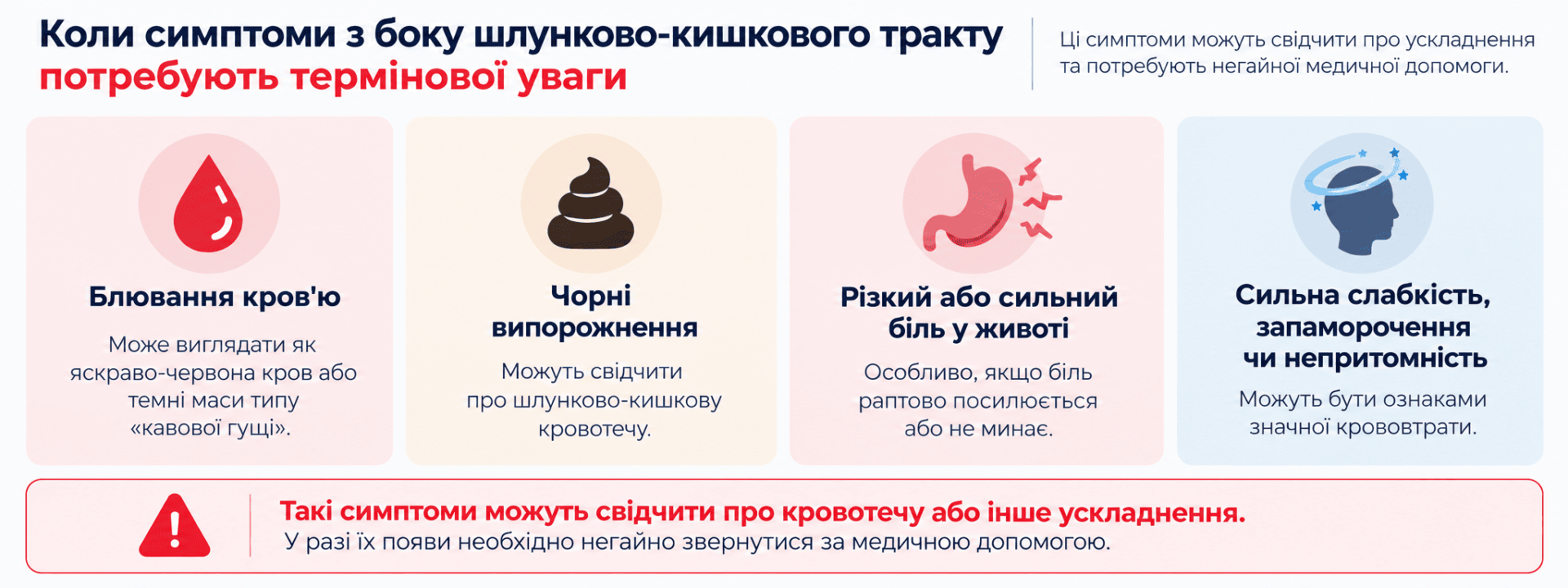
There is no single menu that is equally well suited for all people with gastrointestinal discomfort. You should focus primarily on food tolerance.
When you are worried about heaviness, nausea, or fullness, simple meals with a moderate amount of fat are often more comfortable.
The diet may include:
- oatmeal, rice, or buckwheat porridge;
- light vegetable soups;
- potatoes;
- boiled or baked lean meat;
- fish;
- eggs;
- stewed or baked vegetables;
- bananas;
- baked apples;
- fermented milk products with good tolerance.
This is not a special therapeutic diet and not a mandatory list of products. Buckwheat may be good for one person, but milk may not be suitable for another, and vice versa.
The main criterion is one’s own well-being after eating.
Do I need to exclude raw vegetables and fruits?
You do not need to automatically give up fresh vegetables and fruits.
However, if a large amount of raw foods causes bloating, fullness, or pain, you can often choose stewed, baked, or boiled vegetables for a certain time.
After feeling better, the diet can be gradually expanded.
Are dairy products allowed?
Milk and fermented milk products also do not need a universal ban.
If there is no bloating, pain, or other discomfort after them, they can be left in the usual diet.
If dairy products regularly cause symptoms, their amount can be adjusted and, if necessary, discussed with your doctor.
What foods can aggravate symptoms?
There is no universal list of “prohibited foods”.
However, in some people, discomfort often occurs after:
- very fatty foods;
- fried foods;
- a large amount of spicy seasonings;
- acidic foods and drinks;
- alcohol;
- carbonated drinks;
- very large portions.
If you are prone to heartburn, other individual triggers, such as coffee, chocolate, mint, fatty foods, or late hearty dinners, may also matter.
This does not mean that all such foods should be excluded at the same time.
If a person tolerates coffee or a certain fruit normally, the mere presence of periodic discomfort is not a reason to completely abandon them.
It is better to adjust the diet gradually, monitoring your own reaction.
What to do with bloating and minor cramps?
Bloating can occur after eating, with a quick meal, after a large amount of certain foods, or due to individual digestive characteristics.
If bloating has occurred sporadically and is not accompanied by severe pain or other alarming symptoms, several factors can be considered.
First of all, it is worth evaluating the portion size. A large amount of food at a time can increase the feeling of fullness.
It is also worth checking whether the symptom recurs after the same product.
In some people, bloating may worsen after a large amount of raw vegetables, legumes, carbonated drinks, or dairy products. However, this is individual, so you should not exclude entire food groups without need.
If bloating occurs regularly, persists for a long time, or is accompanied by pain, changes in bowel movements, weight loss, or other symptoms, you need to establish its cause.
Herbal remedies for mild gastrointestinal disorders
Herbal medicine can be part of symptomatic support for certain mild disorders of the digestive system.
At the same time, herbal remedies should not be used as a substitute for diagnosis if symptoms recur or are unusual.
Chamomile
Chamomile preparations are traditionally used for symptomatic relief of mild gastrointestinal disorders, including bloating and minor cramps.
The specific method of application depends on the form of the product. Before use, you should familiarize yourself with the information on its use, age restrictions, and warnings.
Chamomile should not be considered a remedy for self-treatment of stomach diseases. Its use is more appropriate to describe precisely as symptomatic support for mild discomfort.


Flax seeds
When in contact with water, flax seeds form a mucous mass. Due to this, they are traditionally used as a remedy with an enveloping effect on the mucous membranes of the digestive tract.
Flax seeds can be used in the form of a mucous infusion, if this method is provided for a specific remedy.
It is important to follow the method of use and the precautions indicated for a particular product.
Flax seeds should not be used in case of intestinal obstruction, hypersensitivity to components, and other conditions indicated among the contraindications of a particular product.
Can mint be used?
Mint can be part of various herbal remedies, but it is not suitable for everyone.
In particular, if a person is often worried about heartburn, mint in rare cases can aggravate this symptom. Therefore, you need to focus not only on the general properties of the plant, but also on your own reaction.

If you are worried about heaviness, nausea, or a feeling of fullness for several days, you can temporarily make the diet easier.
For example:
Breakfast: oatmeal with water or milk, depending on tolerance, boiled egg, or scrambled eggs.
Snack: banana or baked apple.
Lunch: light vegetable soup, baked turkey or other lean meat, potatoes or buckwheat, stewed vegetables.
Second snack: natural yogurt or fermented milk cheese, if dairy products are well tolerated.
Dinner: rice or buckwheat with baked fish and vegetables.
This is just an example, not a universal diet.
If a certain product causes discomfort, it can be replaced with a product of similar nutritional value. If regular food is well tolerated, there is no need to switch to a special limited menu.
What not to do with pain and discomfort in the stomach
When gastrointestinal symptoms appear, it is important not only to choose the right food, but also to avoid common mistakes.
Self-diagnosis
Pain in the upper abdomen, nausea, burning, or heaviness does not automatically mean that a person has gastritis.
Such manifestations can occur with various disorders of the digestive system.
Therefore, if the symptoms recur, it is more correct to find out their cause, and not to treat “gastritis” for years when it has never been confirmed.
Drastically restrict food
Eating only cereals, soups, or pureed foods for a long time without a clear need has no advantages.
The diet should provide the body with proteins, fats, carbohydrates, vitamins, and minerals.
If certain foods are well tolerated, they do not need to be excluded “just in case”.
Try to “neutralize acid” with home methods
You should not try to change the acidity of gastric contents yourself with baking soda, plenty of milk, lemon juice, vinegar, or other home remedies.
The nature of the symptoms does not allow you to accurately determine the level of acidity.
For example, heartburn alone does not mean “increased stomach acidity” or the presence of gastritis.
Ignore recurring symptoms for months
If pain, nausea, fullness, or other discomfort keeps coming back, diet correction alone may not be enough.
In this case, it is important to establish the cause of the symptoms.
When to see a doctor
Most short-term mild gastrointestinal disorders are not accompanied by dangerous manifestations.
However, there are symptoms that should not be explained by ordinary overeating or “stomach problems”.
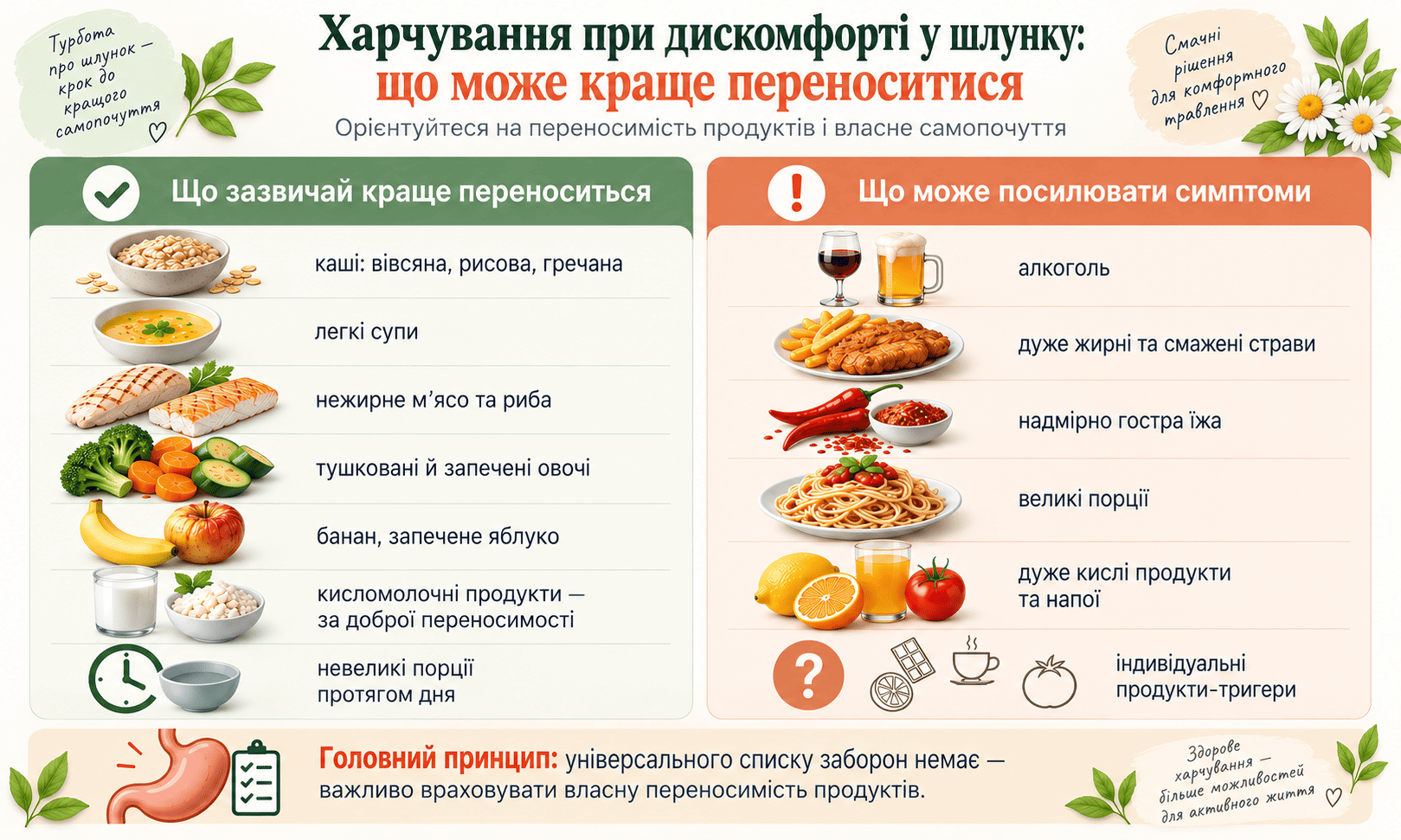
It is necessary to seek medical help if you develop:
- vomiting blood;
- vomit similar to coffee grounds;
- black stools;
- sharp or very severe abdominal pain;
- repeated vomiting;
- severe weakness;
- dizziness or fainting;
- unexplained weight loss.
Symptoms that are not acute, but regularly recur for a long time, also require a separate consultation.
For example, if after most meals there is constant early satiety, nausea, pain, or severe fullness, the cause of this condition should be clarified.
Does stomach pain always mean gastritis?
Gastritis is an inflammation of the lining of the stomach, not the common name for any pain or discomfort in the upper abdomen.
Complaints alone are not enough to confirm such a diagnosis.
Pain, burning, nausea, early satiety, and heaviness after eating can occur in various conditions. At the same time, some changes in the gastric mucosa may cause almost no symptoms for a long time.
Therefore, the approach “stomach hurts means gastritis” can be erroneous.
In materials for a wide audience, it is more advisable to focus on specific symptoms — pain, bloating, cramps, nausea, heaviness, or fullness — and in case of repeated manifestations, establish their cause together with a doctor.
How to reduce the likelihood of recurrence of discomfort
Not all gastrointestinal symptoms can be prevented by dietary changes alone, but a few simple habits can help reduce the frequency of episodes if they are related to food.
First of all, it is useful to avoid regular overeating. If heaviness constantly occurs after large portions, it is better to reduce their volume.
It is also important to pay attention to individual food triggers. If a particular dish causes the same symptoms several times in a row, its amount can be reduced or temporarily eliminated.
It is advisable to limit alcohol, especially if pain, burning, or nausea appear after it.
Non-steroidal anti-inflammatory drugs should not be taken uncontrollably for a long time. If their use is accompanied by stomach discomfort, this should be discussed with your doctor.
At the same time, it is advisable to leave the diet sufficiently varied. The absence of discomfort after a certain product is a much more important guideline than universal lists of “allowed” and “forbidden” foods.
Frequently Asked Questions
What can I eat if I have a stomach ache after eating?
You can choose simple dishes that are well tolerated: cereals, light soups, lean meat or fish, and heat-treated vegetables. There is no special universal menu for everyone.
What to do if you feel heaviness after eating?
First of all, you should pay attention to portion size and the foods after which discomfort occurs. If heaviness recurs regularly even after a small amount of food, you need to find out its cause.
Do I need to give up coffee?
Not necessarily. If coffee does not cause burning, nausea, or other discomfort, there is no universal need to eliminate it.
Are milk and fermented milk products allowed?
Yes, if they are well tolerated. If bloating or other symptoms occur regularly after dairy products, their amount can be adjusted.
What can help with bloating?
With mild episodic bloating, it is worth paying attention to portion size, the rate of food intake, and foods after which the symptom recurs. For symptomatic support for mild gastrointestinal disorders, individual herbal remedies can be used according to the information on their use.
Can chamomile be used for abdominal discomfort?
Chamomile preparations have traditionally been used for symptomatic relief of mild gastrointestinal disorders, including bloating and minor cramps.
Can flax seeds be used?
Flax seeds form mucus when in contact with water and can be used as an enveloping agent if such use is intended for a specific product.
Does stomach pain mean that it is gastritis?
No. Pain, burning, heaviness, and nausea are not specific to gastritis only. If symptoms recur, diagnosis should be made after appropriate medical evaluation.
Conclusion
Pain, heaviness, bloating, nausea, and a feeling of fullness after eating can occur for various reasons and should not be automatically perceived as signs of gastritis.
With mild episodic discomfort, it is worth paying attention to portion size, individual food tolerance, and diet. It is not necessary to switch to a strict diet for no reason or exclude large amounts of foods.
Individual herbal remedies can be used for symptomatic support for mild gastrointestinal disorders according to the information on their use.
If the symptoms recur regularly, become more severe, or are accompanied by bleeding, repeated vomiting, severe weakness, or unexplained weight loss, it is necessary to establish their cause and get medical attention.
References
- National Institute of Diabetes and Digestive and Kidney Diseases (NIDDK). Indigestion (Dyspepsia): Symptoms & Causes (https://www.niddk.nih.gov/health-information/digestive-diseases/indigestion-dyspepsia/symptoms-causes).
- European Medicines Agency. Matricaria recutita L., flos — European Union herbal monograph (https://www.ema.europa.eu/en/documents/herbal-monograph/final-european-union-herbal-monograph-matricaria-recutita-l-flos-first-version_en.pdf).
- European Medicines Agency. Lini semen — herbal medicinal product (https://www.ema.europa.eu/en/medicines/herbal/lini-semen).
Author: Natalia Kandybey, Candidate of Pharmaceutical Sciences, Quality Director of PJSC Pharmaceutical Factory “VIOLA”


