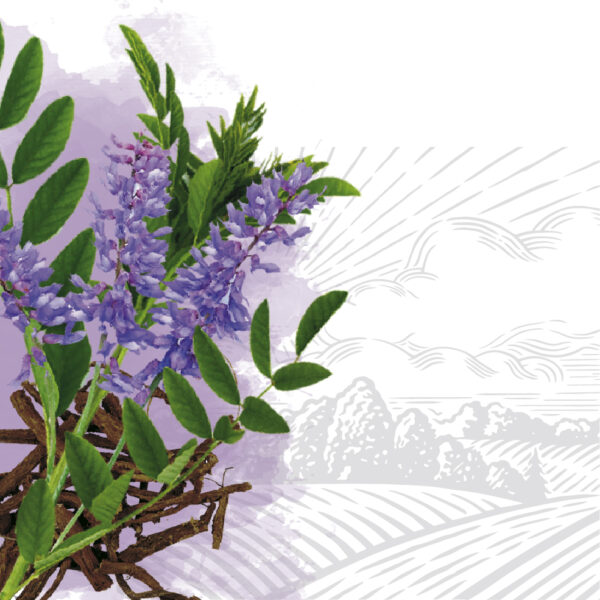
Discover the benefits of buckthorn bark and learn how to properly use this natural remedy to improve health.
Buckthorn: biological description
Buckthorn (lat. Frangula) is an ornamental and medicinal plant belonging to the buckthorn family, genus Rhamnaceae. It is found in the temperate and subtropical climatic zones of Eurasia and North America. The tree can reach a height of up to 6 meters, its bark has a grayish-brown hue and has medicinal properties.
Medicinal properties of buckthorn bark
Buckthorn bark has a wide range of medicinal properties, which are due to its chemical composition. The main active substances of buckthorn bark are anthraquinones (frangulin, glucophrangulin, aloe emodin and others), which stimulate intestinal peristalsis. These compounds act gently, without causing sharp contractions of the intestines, which makes buckthorn an effective remedy for chronic constipation.
In addition to laxative properties, buckthorn bark has the following therapeutic effects:
- Anti-inflammatory: Buckthorn bark helps reduce inflammation in the body, making it useful in treating various inflammatory bowel diseases.
- Antimicrobial effect: due to the content of phenolic compounds, buckthorn bark has an antiseptic effect, destroying pathogenic microorganisms and preventing the development of infections.
- Detoxification: The bark promotes the elimination of toxins and toxins from the body, improving overall health and reducing the risk of developing various diseases.
- Antioxidant Effects: Antioxidants in the bark help neutralize free radicals, protecting cells from damage and premature aging.
Application of buckthorn bark
Buckthorn bark is used in medicine mainly as a mild laxative. It helps with intestinal atony and constipation. The main forms of application include decoctions and infusions, as well as ready-made medicines in the form of capsules and tablets.
- Preparation of the decoction:
- Place 1 tablespoon of bark in an enamel bowl, pour 200 ml of hot boiled water.
- Cover and infuse in a boiling water bath for 30 minutes.
- Cool at room temperature for 10 minutes, strain, squeeze out the remaining mass and bring the volume of broth with boiled water to 200 ml.
- Use warm 1/2 cup at night for adults and 1/4-1/3 cup for children over 12 years old. Shake the decoction before use.
- Preparation of infusion using filter bags:
- Place 2 filter bags in a glass or enamel container, pour 100 ml of boiling water.
- Cover and infuse for 15-20 minutes.
- Use warm 100 ml at night for adults and 1/4-1/3 cup (50-60 ml) for children over 12 years old.
The therapeutic course and its duration are determined individually by the attending physician. To prevent addiction, it is recommended to alternate buckthorn bark with other laxatives.

Phytotherapy with buckthorn bark
Phytotherapy with buckthorn bark consists in the use of this plant for medicinal purposes for the treatment and prevention of various diseases, mainly related to the gastrointestinal tract. Here are the main aspects of herbal medicine using buckthorn bark:
- Buckthorn bark tea:
Pour 1 teaspoon of bark with 200 ml of boiling water and leave for 10-15 minutes. Strain and drink 1/3 cup 2-3 times a day. Tea improves digestion and has a mild laxative effect.
- Capsules and tablets:
Ready-made preparations based on buckthorn bark in the form of capsules and tablets can be purchased at the pharmacy. They are convenient to use and dosage by following the instructions on the package.
- Complex fees:
Buckthorn bark is often included in herbal preparations to enhance the laxative effect and improve digestion. For example, in combination with hay, chamomile and mint for more effective cleansing of the body.
- Prevention and treatment of constipation:
Due to its mild laxative effect, buckthorn bark is effectively used for the prevention and treatment of chronic constipation. Its use promotes regular bowel movements and improves the overall health of the digestive system.
- Detoxification of the body:
Buckthorn bark helps in the removal of toxins and toxins from the body, which improves general well-being and reduces the risk of developing diseases associated with the accumulation of harmful substances.
The use of buckthorn bark in herbal medicine should be agreed with a doctor, especially in the presence of chronic diseases or with long-term use, in order to avoid side effects and addiction.
Contraindications of buckthorn bark
Although buckthorn bark has many beneficial properties, it also has a number of contraindications. These include:
- Hypersensitivity to the components of the drug.
- Constipation of neurogenic and endocrine origin, spastic constipation.
- Intestinal obstruction.
- Bleeding and acute abdominal syndrome.
- Appendicitis, acute gastroenterocolitis and other inflammatory processes in the abdominal cavity.
- Acute febrile conditions.
Special precautions include avoiding long-term use of the drug, as this can lead to addiction and weakening of the laxative effect. To prevent this, it is recommended to alternate with other laxatives.
Also, buckthorn bark is contraindicated during pregnancy and lactation. Overdose can cause colicky abdominal pain, tenesmus and discomfort. Treatment for overdose is symptomatic.
In case of adverse reactions, such as diarrhea with metabolic disorders, dehydration, decreased intestinal enzyme function, colonic atony, colicky pain and allergic reactions, the drug should be discontinued.
Literature:
1. Maznev N. I. Golden Book of Medicinal Plants – 2008.
2. Tovstuha Ye. S. Fitotherapy — 1990.
3. Chukhno T. Big Encyclopedia of Medicinal Plants — 2007.
4. Muravyova D. A. Pharmacognosy — 1978.
5. Wikipedia – https://ru.wikipedia.org/wiki/ %D0%9A%D1%80%D1%83%D1%88%D0%B8%D0%BD%D0%B0
Author: Natalia Kandybey, Candidate of Pharmaceutical Sciences, Quality Director of PJSC Pharmaceutical Factory “VIOLA”