Half-Burnt Grass: Biological Description
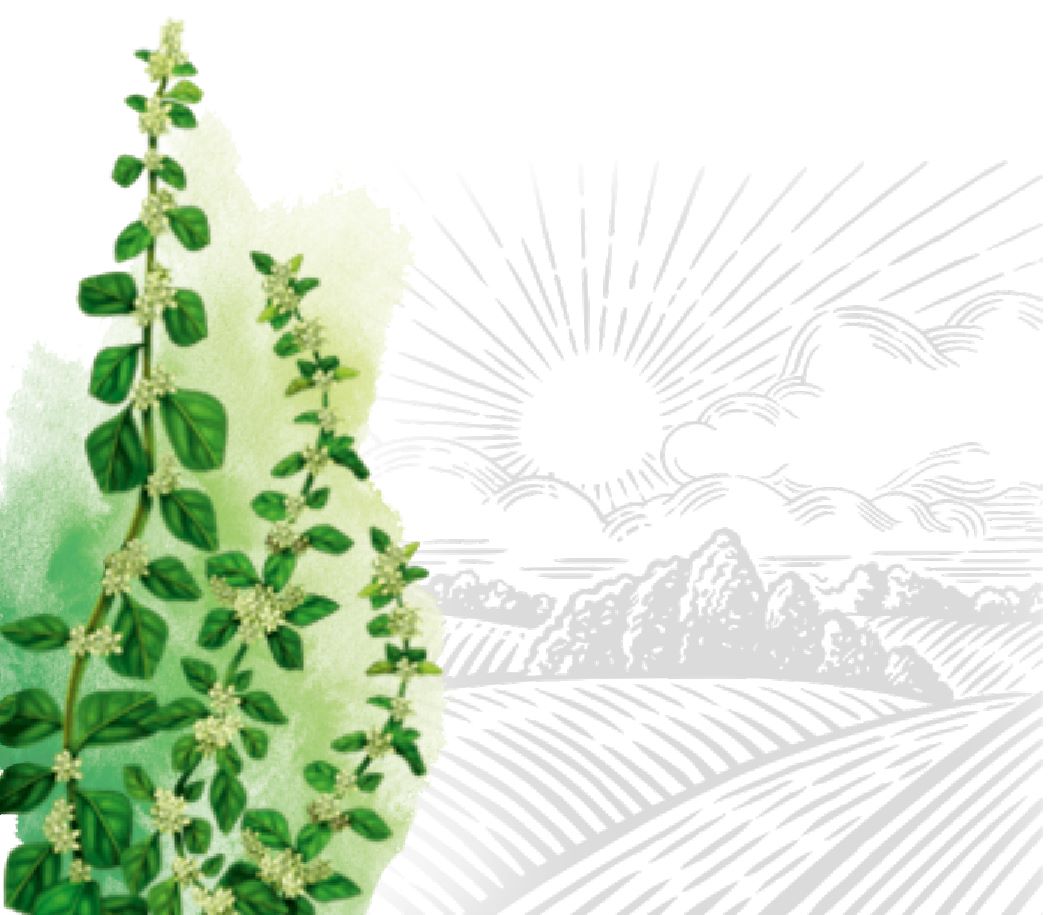
Pol-pala grass belongs to the Amaranth family. It is an annual or biennial plant with an erect stem 10 to 50 cm high. The leaves of the half-pala are opposite, whole, with a mutually ovoid shape. The flowers are small, pinkish-purple, collected in dense corymbose inflorescences. The flowering period is summer (June-August).
Pharmacological action
The herb pol-pala has a number of pharmacological properties, thanks to which it is widely used in traditional and folk medicine. The main components of the plant are bitter glycosides (including erythrocentaurine), flavonoids, alkaloids and xanthones. These substances contribute to the following effects:
- Anti-inflammatory: helps reduce inflammation in the body, especially in the urinary tract and kidneys.
- Antiseptic effect: it has a microbiostatic effect, which makes pol-pal useful in the treatment of infectious diseases.
- Diuretic action: promotes increased excretion of fluid from the body, which helps with edema and some kidney diseases.
These properties make pol-palu a valuable plant in the complex therapy of many diseases, but it is important to remember about possible contraindications and side effects associated with its use.
Where does pol-pala grass grow?
Pol-pala grass is common in many temperate and subtropical regions of Europe, Asia, and North America. It prefers open, sunny places such as meadows, glades, steppes and forest-steppes. It grows in well-drained, often sandy soils, avoiding shaded and damp areas. In Ukraine, pol-pala is found almost everywhere, especially in the steppe and forest-steppe zones.
Medicinal properties of the herb pol-pala
Pol-pala has long been used in folk medicine due to its many medicinal properties.
Pol-pala for the liver
There is no EMA monograph for the Aerva lanata plant, meaning there is no evidence from its traditional study for specific indications to date. Historically, this plant is known as Pashana beda and came to us from Ayurveda. Pashana beda is a highly controversial medicine, with at least 8 different plants equating to Pashana beda due to their alleged ability to dissolve kidney and bladder stones. Pashana beda in Sanskrit means any material capable of breaking stones. Traditionally, the plant is used to dissolve kidney and gallbladder stones. Like any plant, pol-pala has a lot of biological substances of multidirectional action, which have a number of useful properties (anthelmintic, anti-inflammatory, antidiabetic, hemostatic, etc.), but this herbal preparation is chosen precisely because of its diuretic and saluretic effects.
The hepatoprotective properties of the herb have only been tested in animal models (rats) https://www.researchgate.net/publication/286036749_Hepatoprotective_properties_of_boerhaavia_diffusa_and_Aerva_lanata_against_carbon_tetra_chloride_induced_hepatic_damage_in_rats and cannot be testified today.
In addition, the herb has a pronounced demineralizing effect, with prolonged use it can increase the sensitivity of tooth enamel. Therefore, it is often recommended to drink through a straw.
Pol-pala for the kidneys
The herb pol-pala is valued in folk medicine for its pronounced diuretic properties, which makes it useful in the treatment of various kidney and urinary tract diseases. It helps reduce swelling, promotes the elimination of excess fluid and improves the overall condition of the urinary system.
Due to the content of antiseptic and anti-inflammatory components, pol-pala is also used in the treatment of cystitis and urethritis, reducing inflammatory processes in the urinary tract. In addition, it can prevent the formation of kidney stones, as it helps to normalize mineral metabolism and reduce the concentration of harmful substances in the urine that can contribute to stone formation.
It is important to use pol-pala with caution and under the supervision of a specialist, especially in the presence of chronic kidney disease, since its active components can affect the functional state of the kidneys.
Contraindications and possible side effects
The herb pol-pala, despite its beneficial properties, has a number of contraindications and can cause side effects. First of all, it is contraindicated for pregnant and lactating women, as well as persons with individual intolerance or allergy to the components of the plant.
Due to its high content of bitter glycosides, the consumption of the herb pol-pali can cause dyspeptic disorders such as nausea, gastritis or diarrhea, especially when overdosed or used for a long time. Headaches or allergic reactions, including rashes and itching, are also possible.
People with gastrointestinal conditions, such as peptic ulcers or gastritis, should consult a doctor before starting pol-pala herb, as it may exacerbate symptoms.
In addition, the herb has a pronounced demineralizing effect, with prolonged use it can increase the sensitivity of tooth enamel. Therefore, it is often recommended to drink through a straw.
In case of any doubts or the presence of chronic diseases, it is necessary to consult a medical specialist before starting treatment with the herb pol-pala in order to avoid adverse reactions and make sure that it is safe to use it in each case.
Literature:
- Máthé, Á. (Ed.). (2015). Medicinal and Aromatic Plants of the World. Springer.
- Barnes, J., Anderson, L. A., & Phillipson, J. D. (2007). Herbal Medicines. Pharmaceutical Press.
- Bone, K., & Mills, S. (2013). Principles and Practice of Phytotherapy: Modern Herbal Medicine. Churchill Livingstone.
- Wichtl, M. (Ed.). (2004). Herbal Drugs and Phytopharmaceuticals: A Handbook for Practice on a Scientific Basis.
- Foster, S., & Johnson, R. (2006). Desk Reference to Nature’s Medicine. National Geographic.
Author: Natalia Kandybey, Candidate of Pharmaceutical Sciences, Quality Director of PJSC Pharmaceutical Factory “VIOLA”
The information provided is not medical advice and does not replace professional health recommendations.
The information is based on scientific literature and is provided for informational purposes only.