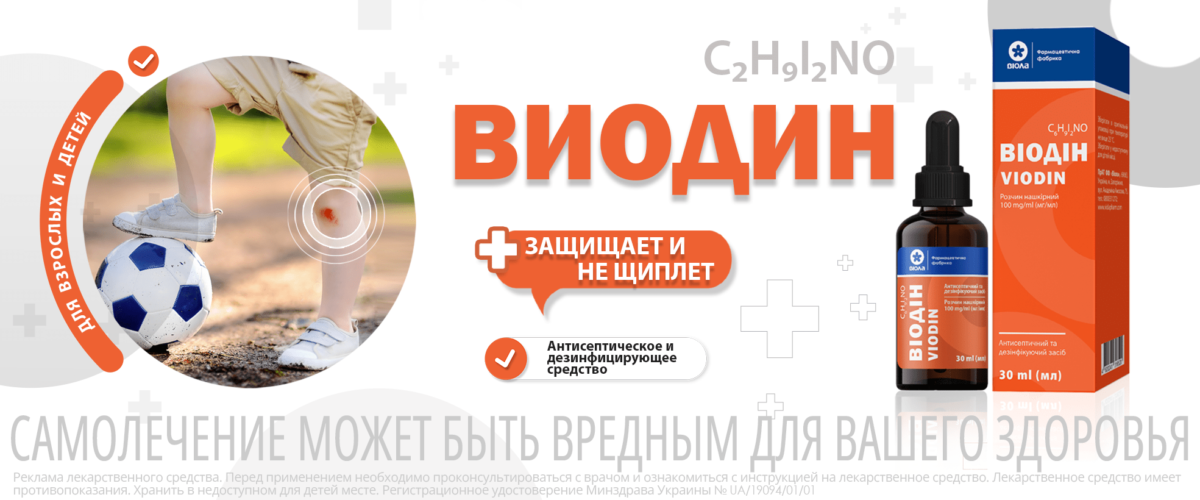
“Broken” knees are a common injury that can occur as a result of mechanical trauma to the skin in the knee area during active life, outdoor games, outdoor sports, or simply clumsiness, coordination awkwardness. Proper treatment and care of “asphalt disease” play an important role in the process of their healing and prevention of complications.
First aid for knocked knees: symptoms and recommendations
First aid for abrasions on the knees is an important step in ensuring a quick recovery and preventing complications. In this article, we will look at the symptoms of abrasions (scratches) of the knees, give recommendations for first aid and discuss preventive measures.
Symptoms of “knocked down” knees
Abrasion – damage to the upper layers of the skin from sliding contact with a hard abrasive surface, as well as when struck with blunt rough objects. The most common localization of abrasions is the knees.
Pain – pain can be quite pronounced, since the upper layers of the skin are rich in sensitive nerve endings.
Bleeding – from insignificant, with superficial injuries, to abundant, with the involvement of deep layers.
Swelling and swelling around the lesion.
What to do with “knocked down” knees
When providing first aid for “knocked down” knees, it is important to follow a few basic recommendations in order to reduce pain and speed up the healing process.
- Reassure the person (especially if it’s a child) and let them know that you can help.
- Wash your hands well.
- Wash the damaged area thoroughly with soap and water, but do not rub the wound. Remove all dirt particles from the surface and let the tap water flow through it for a few minutes. A dirty abrasion that has not been cleaned well can cause scarring or infection.
- Apply an antiseptic.
- If the damage is large, then it is advisable to cover it with a bandage. Change the bandage frequently. Check the place every day and keep it clean and dry.
- Do not blow on the abrasion! This can cause germs from the mouth to enter the wound.
When providing first aid for knocked knees, antiseptic drugs based on povidone-iodine, such as Viodin, which can serve as a wound healing agent, are needed. These drugs have antimicrobial properties and can help prevent infection and keep the injured area clean.
“Viodin” contains the active substance – povidone-iodine, which is a powerful antiseptic that effectively destroys microorganisms such as bacteria, viruses and fungi. It helps prevent the development of infection and promotes the healing of lesions.
To use Viodin, apply a small amount of the drug to a clean, dry surface of the damaged knee area. Spread the preparation evenly and leave it for a while to dry and cover with a sterile bandage if necessary. The product can be applied 1 to 3 times a day as needed. “Viodin” is the first line of defense for the destruction of germs, starting from the first use. It has a characteristic golden brown color that allows you to understand where the product was applied and that it works. “Viodin” does not contain alcohol or hydrogen peroxide, which can cause a burning sensation when applied, does not irritate the wound and surrounding skin.
The use of an antiseptic drug such as “Viodin” can be useful to ensure cleanliness and prevent infection when providing first aid for “knocked down” knees. However, don’t forget that consulting with a medical professional is an important part of evaluating and treating any injury.

When to seek medical help
In most cases, “knocked down” knees can be treated independently with first aid. However, you should seek medical attention if:
- There are signs of infection, such as fever, fever, redness, swelling, or discharge.
- Significant bleeding after applying pressure for 5 minutes.
- The wound does not heal for a long time.
- Painful, irritated skin.
- Discharge from the wound with an unpleasant odor.
- Green, yellow or brown pus.
- Swelling, soreness of the lymph nodes in the inguinal region.
In these cases, it is important to get qualified medical attention to evaluate the injury and further treatment.
With abrasions of the third degree, you should immediately seek medical help and do not self-medicate. A third-degree abrasion is a severe abrasion. It is also known as an avulsion wound. It is a tear of the skin to a layer of tissue located deeper than the dermis. Such a wound can bleed heavily and requires more intensive medical care.
Frequently Asked Questions (FAQs)
Is it OK to walk with a broken knee?
Abrasions are a very common injury that most people experience more than once in their lives. Most abrasions are light, and do not significantly limit daily activities. Being aware of the severity of the wound and taking proper care of it will help prevent scarring, infection, and further injury.
What to do if the pain and swelling do not go away?
If pain and swelling do not improve or continue to intensify, it is necessary to consult a doctor for additional examination and assessment of the condition. This may indicate the presence of complications or require correction of treatment.
When can I return to sports after a broken knee?
It may take one to two weeks for minor knee abrasions to heal completely. The wound is considered to be completely healed and no longer susceptible to infection once it closes and the scabs fall off naturally. The wound may remain pink or pale for a few more weeks. After complete healing, you can return to your usual activity.
How can I prevent a knocked knee?
To prevent knee knockdowns, it is recommended to warm up and stretch before physical activity, strengthen muscles and use protective equipment when playing sports.
Literature:
- INSTRUCTIONS for medical use of the drug VIODIN (VIODIN)
- Abrasion. Rijen Shrestha; Kewal Krishan; Tanuj Kanchan. https://www.ncbi.nlm.nih.gov/books/NBK554465/
- Povidone iodine in wound healing: A review of current concepts and practices. Paul Lorenz Bigliardi, Syed Abdul Latiff Alsagoff, Hossam Yehia El-Kafrawi, Jai-Kyong Pyon, Chad Tse Cheuk Wa, Martin Anthony Villa. International Journal of Surgery 44 (2017), 260-268.
- Povidon-iodine in wounds: a review of modern concepts of production. HIRURGIA. ASPECTS OF TREATMENT Thematic issue • Veresen 2017 р.
Author: Natalia Kandybey, Candidate of Pharmaceutical Sciences, Quality Director of PJSC Pharmaceutical Factory “VIOLA”