
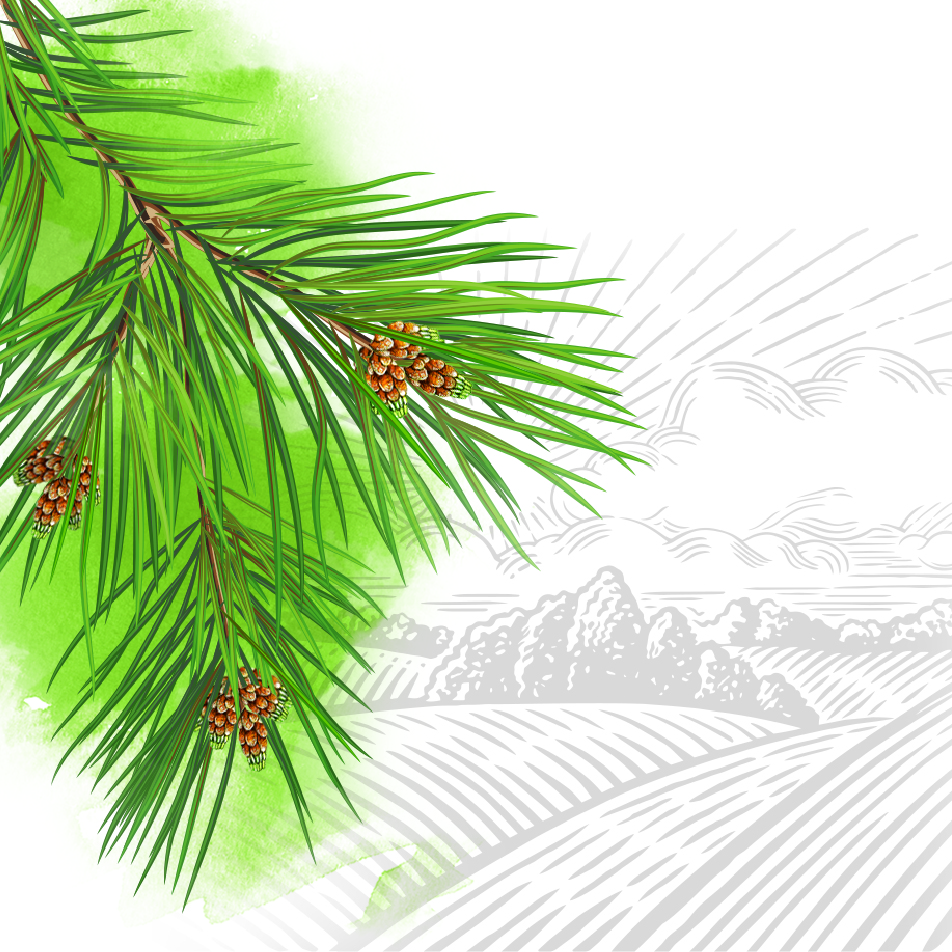
Pine buds are small resinous “capsules” at the ends of young branches, in which the pine accumulates essential oils, vitamins, trace elements and enzymes necessary for spring growth. Traditional and scientific phytotherapy consider these buds as a natural complex with a pronounced expectorant, antimicrobial and anti-inflammatory effect. Let’s figure out why exactly they are useful, how to use them correctly and who should refrain from taking.
What are pine buds
Description and external characteristics
Fresh pine buds resemble narrow oval cylinders 0.5 to 1.5 cm long, covered with tight-fitting brown-golden scales, slightly shiny with resin. To the touch, they are elastic, sticky, with a characteristic coniferous aroma, which intensifies when broken.
It is better to collect raw materials in early spring, when the bud has swelled, but has not yet started growing; it is at this moment that the concentration of essential oils, vitamin C and terpene resins is maximum. After harvesting, they are dried at temperatures up to 40 °C in the shade, preserving the resin and volatile components.
Chemical composition and useful properties
Biologically active substances in the composition
Pine buds contain up to 6% of essential oil, dominated by α-pinene, β-pinene and bornyl acetate, compounds with antiseptic and mucolytic potential. Along with terpenoids, flavonoids (quercetin, kaempferol), resin acids, tannins and plant phytoncides are distinguished.
The mineral profile includes potassium, manganese, magnesium, iron, and small amounts of zinc. The vitamin spectrum is represented by ascorbic acid (up to 20 mg%), tocopherol and β-carotene, which increases the antioxidant value of raw materials.
Medicinal properties of pine buds
Due to the complex of volatile compounds, the kidneys liquefy the viscous bronchial secretion and facilitate its excretion, therefore they act as a natural expectorant. Resin acids and phytoncides inhibit the growth of bacteria and fungi, protecting the mucous membranes from secondary infection.
Antioxidants in combination with flavonoids reduce capillary permeability and show a moderate anti-inflammatory effect, which is useful for chronic arthritis and dermatitis.
Drugs
Phytochemical studies show the antispasmodic effect of kidney extract on the smooth muscles of the bronchi, improving the patency of the airways. The diuretic component is lightweight, associated with the presence of potassium and organic acids, which contributes to the removal of excess fluid and toxins.
When used externally, the essential oil accelerates microcirculation, warms tissues and reduces pain, which justifies the use of coniferous baths and rubs for rheumatism.
What diseases are pine buds used for?
Respiratory diseases
The most common appointments are acute and chronic bronchitis, tracheitis, laryngitis and dry spastic cough. Warm decoctions soften the mucous membrane, and inhalations of essential oil vapors reduce swelling and reduce coughing fits.
In the complex therapy of pneumonia, extract from the kidneys enhances the effect of antibiotics, reducing the risk of complications and speeding up the recovery phase.
Diseases of the genitourinary system
Weak diuretic and disinfectant effects make it possible to include kidney preparations in phytopreparations for cystitis and urethritis. Microcirculatory improvement reduces congestion in the kidneys, alleviating the course of pyelonephritis in the remission phase.
Due to the anti-inflammatory potential, coniferous decoctions are sometimes prescribed to men with chronic prostatitis, especially if the infectious factor dominates.
Joint and musculoskeletal problems
Compresses and rubs on an alcoholic tincture of the kidneys reduce pain and morning stiffness in osteoarthritis and rheumatoid arthritis. The intake of flavonoids through the skin additionally fights free radicals in the inflamed tissue.
Warm coniferous baths are recommended during the rehabilitation period after injuries: they stimulate blood flow, accelerating the resorption of hematomas and the restoration of ligaments.
Other indications for use
Essential oils have a moderate sedative effect, so the infusion of the kidneys is prescribed for vegetative disorders and mild forms of insomnia.
Antiseptic properties are also useful in dentistry: rinsing with a weak decoction reduces bleeding gums and suppresses pathogenic flora in gingivitis.
Ways to use pine buds
Decoctions and infusions for internal use
For a classic decoction, take 10 g of dry buds (about a tablespoon with the top) per 250 ml of water, bring to a boil and simmer for 10 minutes under the lid. Infuse for another quarter of an hour, filter and take 50-70 ml three to four times a day after meals for up to 14 days.
The infusion is prepared without boiling: the raw material is poured with hot water 80-85 ° C, kept in a thermos for 2 hours. This method preserves vitamin C better and is useful in the off-season for the prevention of SARS.
Tincture with alcohol / vodka
Crushed fresh or dry kidneys are poured with 40% alcohol in a ratio of 1:5, kept for 14 days in a dark place, shaking daily. After filtration, the liquid is taken orally 15-20 drops three times a day in 50 ml of water for coughing, or used externally for rubbing.
It is important to observe the dose: exceeding 60 drops per day can cause tachycardia and dizziness due to the high concentration of essential oils.
Pine bud syrup and honey
The syrup is obtained by sprinkling fresh kidneys with sugar in equal parts. The container is left in the sun for 7-10 days, until a thick dark juice is released; It is then drained and stored in the refrigerator. Take a teaspoon three times a day for a lingering cough.
Honey with coniferous infusion is prepared differently: a glass of buds is boiled for 15 minutes in 500 ml of water, the decoction is filtered, 0.7 kg of honey is added and heated in a water bath until smooth. Such a product is suitable for immunoprophylaxis by 1 teaspoon on an empty stomach.
Inhalations and gargles
For inhalation, boil a tablespoon of kidneys in a liter of water for 5 minutes and, after cooling slightly, breathe over the steam for 10 minutes, covering your head with a towel. The procedure is carried out twice a day for a course of 3-5 days in case of acute respiratory disease.
The decoction for gargling is made weaker: 5 g of raw materials per 300 ml of water. The solution is cooled to 38 °C and used for sore throat and stomatitis every 3-4 hours.
External use
Alcohol tincture is rubbed into painful joints with light massaging movements 1-2 times a day, after which the place is insulated with a woolen cloth. The course is 10-14 days with a break of a month if repetition is necessary.
For baths, 50 g of dry buds are boiled in 2 liters of water for 20 minutes, filtered and added to warm (37 ° C) water with a volume of 200 liters.
Use in folk medicine
Traditional recipes for colds and coughs
Siberian practice advises “coniferous milk”: pour 2 teaspoons of crushed buds with a glass of hot milk, infuse for 20 minutes and drink warm overnight. The drink relieves dry cough and improves sleep.
Another recipe is coniferous tea with honey and lemon, which is recommended at the first sign of a cold to quickly restore the voice and reduce itching.
Use to strengthen the immune system
A short two-week course of syrup or honey from the kidneys in early spring saturates the body with vitamin C and phytoncides, increasing resistance to seasonal viruses.
At the same time, folk herbalists offer a course of coniferous baths for hands and feet, which, through skin receptors, enhance the overall tone and temper blood vessels.
Use for joint problems
In chronic arthritis, an ointment made from ground kidneys and vegetable oil (1:1), stewed for 3 hours in a water bath, is popular. It is rubbed into the joint area at night, after which woolen socks or wristbands are put on.
The combination of external rubbing with a weak intake of a decoction (30 ml twice a day) enhances the anti-inflammatory effect, but the course should not exceed three weeks.
Possible side effects
Overdose and its symptoms
Exceeding the recommended doses often causes nausea, a feeling of bitterness in the mouth, heartburn and diarrhea due to irritation of the mucous membrane by choleretic resins. If the concentration of essential oils is too high, a headache and a short-term increase in blood pressure are possible.
When such signs appear, the intake is immediately stopped, a gentle diet is switched to and a sufficient amount of water is drunk; Symptoms usually disappear after 24 hours without medication.
Allergic reactions
Individual hypersensitivity to conifers is manifested by skin itching, redness, and less often by urticaria after external use. Inhalation of vapors in sensitive persons can cause an attack of bronchospasm.
Before starting the course, it is advisable to conduct a test: apply a drop of diluted tincture to the wrist and observe the skin for two hours. The appearance of persistent redness or burning is a reason to refuse use.
Contraindications for use
Who should not use pine buds
Chronic glomerulonephritis, severe forms of hypertension, a tendency to thrombosis and exacerbation of gastric ulcer are considered absolute contraindications. Essential oils increase secretion and can aggravate erosive processes.
People with stage II-III heart failure are not recommended hot baths and internal intake of tinctures due to a possible increase in heart rate.
Use in pregnancy and lactation
Due to the stimulating effect on smooth muscle and the high content of volatile substances, phytotherapists advise pregnant women to completely exclude preparations from pine buds.
During breastfeeding, external use (baths, rubbing) is allowed, provided that the child does not come into contact with the applied product and the mother thoroughly washes off the residues before feeding.
Features of use in children
Up to three years of age, pine buds are not prescribed orally, since the immature liver system copes worse with the metabolism of terpenes. From four to twelve years old, only water infusions or syrups are used, reducing the dose by half relative to the adult.
Inhalations are allowed for a short time (no more than five minutes) and under the strict supervision of an adult to avoid burning the mucous membrane with too hot steam.
Frequently Asked Questions
Is it possible to replace pine buds with other parts of the pine?
Needles and young shoots do contain vitamins and essential oil, but their concentration is lower, and there are more resinous acids, which makes the infusion more irritating. Therefore, in the treatment of cough, the kidneys are preferable, while pine needles are more often used for vitamin drinks or baths.
Bumps older than two or three weeks are no longer suitable: they become coarser, lose phytoncides and absorb more tannins that can cause constipation.
How to calculate the dosage correctly?
Basic rule: 1 g of dry buds per 10 ml of water for decoction; a single dose of the drink is 50 ml, a daily dose is no more than 200 ml. When using a pharmacy alcohol tincture, the concentrations are usually already verified: 15-20 drops correspond to 0.5 ml of the drug.
Multiply body weight (in kg) by 1.5 – this is the upper limit of the amount of fresh buds in grams that can be safely consumed per day with a short course of up to 5 days.
How many days can you take pine buds?
In case of acute cough, the course lasts from five to seven days; If the symptoms persist, take a week break and switch to more gentle means. For general restorative purposes, a ten-day intake twice a year is enough – in February-March and in October-November.
Long-term daily use (more than three weeks in a row) increases the risk of kidney and liver irritation, so any protracted regimens should be agreed with a doctor.
What is the difference between fresh buds and dried ones?
Fresh specimens are richer in vitamin C and have a bright aroma, but they are more difficult to store: the resin oxidizes under the influence of light, and after a month they lose up to a third of essential oils.
Properly dried buds (in the shade at 35–40 °C) retain up to 80% of volatile substances and are suitable for two years when stored in a tightly closed glass jar. When preparing decoctions, the dosage of dried raw materials is usually reduced by 15% compared to fresh buds in order to achieve the same concentration of active ingredients.
Literature:
- The Medicine of Pine (https://chestnutherbs.com/the-medicine-of-pine/)
- Pine Bark Extract: Uses, Benefits, and Side Effects (https://www.healthline.com/nutrition/pine-bark-extract)
- What to Know About Pine Needle Tea (https://www.webmd.com/diet/what-to-know-pine-needle-tea)
Author: Natalia Kandybey, Candidate of Pharmaceutical Sciences, Quality Director of PJSC Pharmaceutical Factory “VIOLA”


