- What is high blood pressure?
- How to measure blood pressure at home
- Symptoms of high blood pressure
- Pressure 150 to 90: what to do
- What to do with high blood pressure at home before consulting a doctor
- When you need to call an ambulance
- What not to do with high blood pressure
- Why does blood pressure rise?
- Is it possible to bring down blood pressure with tinctures?
- How to control blood pressure and prevent recurrence
- Conclusion
- Frequently Asked Questions
- What does high lower pressure mean?
- Is 150/90 pressure dangerous?
- What to do at 150 to 90 at home?
- Can you lower blood pressure without pills?
- Can blood pressure be lowered drastically?
- Can I drink coffee with high blood pressure?
- Can you take someone else’s blood pressure pills?
- Is it possible to use herbal tinctures for high blood pressure?
- Can tinctures be combined with blood pressure medication?
- Pressure 150/90 — when to see a doctor, and when to call an ambulance?
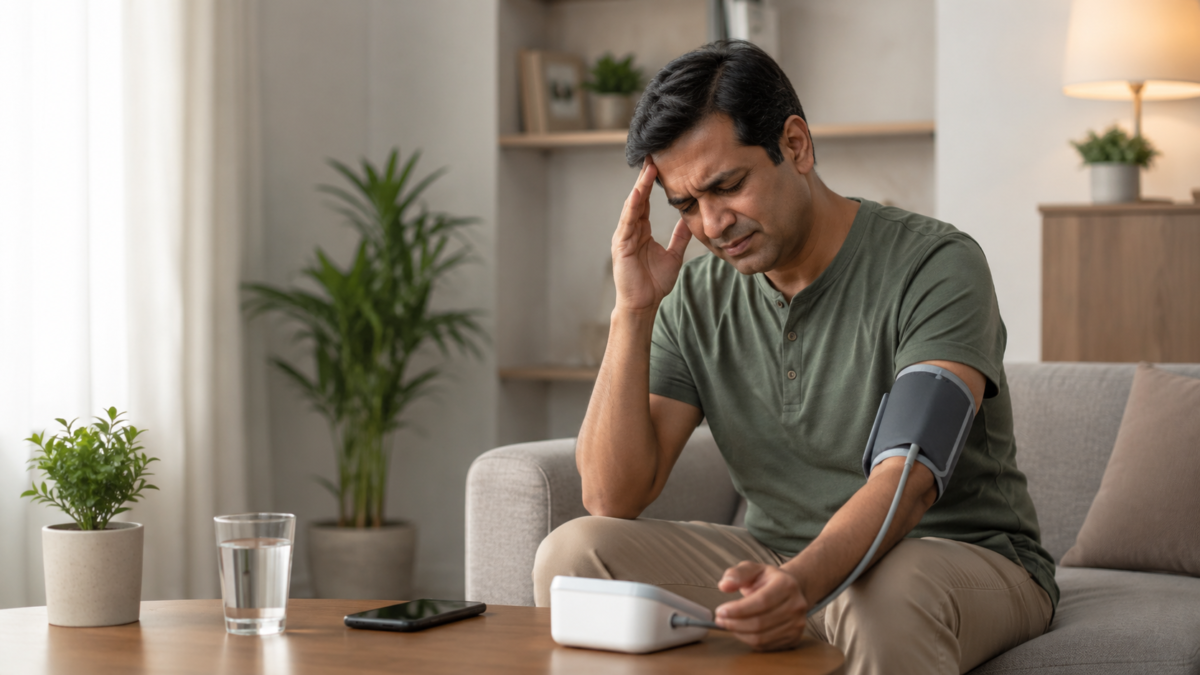
High blood pressure often scares people with numbers. A person sees 150/90, 160/100, or even higher on the tonometer, feels headache, palpitations, tinnitus, and begins to look for how to bring blood pressure down quickly. But with high blood pressure, the main thing is not just to “knock down” the numbers in any way, but to correctly assess the situation.
The first step is to make sure that blood pressure is measured correctly. The second is to pay attention to well-being. The third is to understand when repeated monitoring and consultation with a doctor are enough, and when you need to call an ambulance immediately.
The material is for informational purposes only and does not replace a doctor’s consultation. Blood pressure that repeatedly exceeds normal values requires medical assessment, even if the person feels well. If the pressure is very high, rises rapidly, or is accompanied by chest pain, shortness of breath, speech disturbances, weakness or numbness of the limbs, changes in vision, confusion, convulsions, or loss of consciousness, seek emergency medical care immediately. Follow your individual doctor’s prescriptions, do not combine several remedies on your own, and do not try to drastically lower blood pressure without medical advice. Before using medicines, read the instructions and consult your doctor. Self-medication can be harmful.
What is high blood pressure?
Blood pressure shows the force with which blood presses on the walls of blood vessels. There are always two numbers in the indicator. The first is systolic pressure, that is, the pressure at the moment of contraction of the heart. The second is diastolic pressure, that is, the pressure at the moment of relaxation of the heart between contractions.
High blood pressure is not always felt. A person may have high readings and not complain of headache, dizziness, or palpitations. That is why it is dangerous to focus only on well-being: blood pressure can be determined only by measurement.
Arterial hypertension is usually determined by repeated office values of 140/90 mm Hg and above. But the final assessment should be made by a doctor. Not only one-time numbers are important, but also repeated measurements, a home blood pressure diary, age, concomitant diseases, medication, and general cardiovascular risk.
What do the numbers on the blood pressure monitor mean?
Blood pressure below 120/80 mm Hg is often considered optimal. Indicators of 130–139/85–89 mm Hg can be regarded as high normal blood pressure. Values from 140/90 mm Hg and above require attention, especially if repeated.
A pressure of 150/90 is not normal, but it is not always an emergency. Tactics depend on whether the reading is repeated, whether there are dangerous symptoms, and whether the person has cardiovascular, renal, endocrine diseases, pregnancy, or other risk factors.
If the pressure is about 180/120 mm Hg or higher when re-measured, you need to immediately assess your well-being. If dangerous symptoms appear, which we describe in detail below in the section on calling an ambulance, this may be an emergency.
The pressure category is determined by the higher indicator — systolic or diastolic. For example, if the upper pressure is elevated and the lower pressure seems “almost normal”, the situation still cannot be ignored.
How to measure blood pressure at home
A blood pressure monitor can show inflated numbers if you measure blood pressure immediately after stress, physical activity, tonic drinks, smoking, or talking. Therefore, it is important to create calm conditions before measuring.
30 minutes before the measurement, it is advisable to avoid coffee, energy drinks, smoking, or active movement. Before the procedure, it is advisable to empty the bladder. Sit with support for your back, put your feet on the floor, and do not cross them. The arm should lie at heart level, and the cuff should be on bare skin, not over clothing.
During the measurement, you do not need to speak, move, or strain your hand. If the reading is high, do not panic right away. It is better to sit quietly for 5–10 minutes and repeat the measurement.
What to do if the tonometer shows high numbers
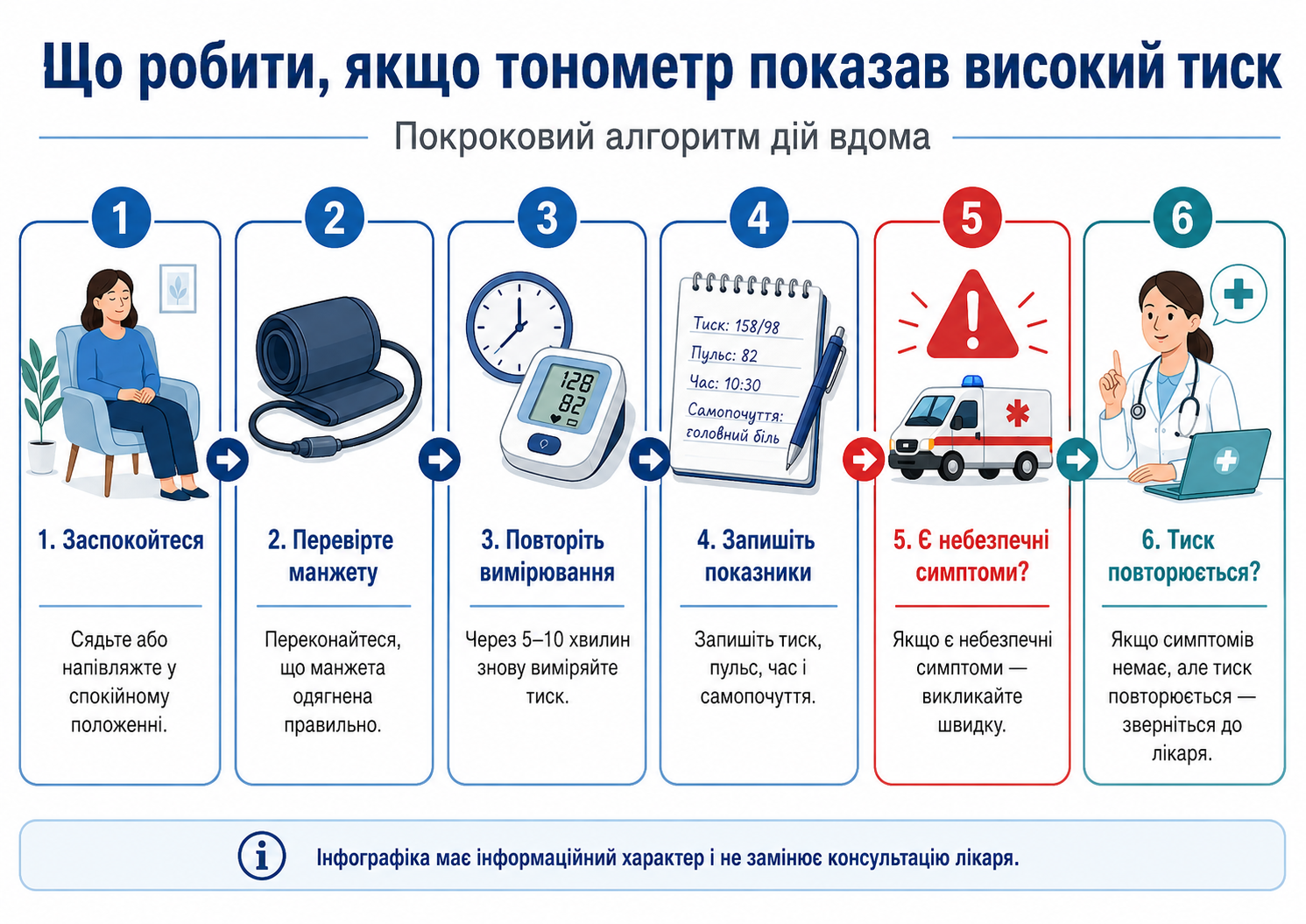
If the blood pressure monitor shows high blood pressure, first sit or lie down in a calm position. Do not rush to walk around the room or measure your blood pressure many times in a row without a pause. It is better to give your body a few minutes of rest and act consistently.
After 5–10 minutes, repeat the measurement according to the rules. Write down the readings, pulse, measurement time, and well-being. Separately, note whether dangerous symptoms have appeared, which we describe in detail below in the section on calling an ambulance.
If there are dangerous symptoms, emergency medical attention is required. If there are no symptoms, but increased readings are repeated, you need to schedule a consultation with a family doctor or cardiologist. In matters of medicines, tinctures, or other remedies, follow your individual doctor’s prescriptions.
Symptoms of high blood pressure
High blood pressure may not have any noticeable symptoms. That is why it is sometimes detected by accident — during a preventive examination or home measurement.
Possible complaints with increased blood pressure include headache, dizziness, tinnitus, “flies” in front of the eyes, palpitations, shortness of breath, chest pain, nausea, weakness, anxiety, and nosebleeds. But these symptoms are not specific. They can be associated not only with blood pressure, but also with other conditions.
High blood pressure cannot be accurately determined by headache or anxiety alone. Conversely, the absence of a headache does not mean that blood pressure is normal. A reliable way to check is to measure it correctly.
Why high blood pressure may not be felt
The body can gradually adapt to increased numbers, so a person does not always feel danger. Sometimes even a significant increase in blood pressure is not accompanied by pronounced complaints.
Because of this, blood pressure control cannot be based only on well-being. If a person has risk factors, has already received elevated readings, or is taking blood pressure medication, it is important to periodically measure blood pressure and keep records.
Pressure 150 to 90: what to do
A pressure of 150/90 is a common situation that makes people look for an answer to what to do with high blood pressure at home. This indicator should not be ignored, but the decision on medicines and how to lower blood pressure should be based on individual doctor’s prescriptions.
It is important to understand whether this is a one-time reading or whether it is repeated. Well-being, age, pregnancy, diseases of the heart, kidneys, blood vessels, endocrine system, taking other medicines, and overall risk are also important.
If 150/90 appeared for the first time
If this is the first time you have seen 150/90, check the measurement conditions. It is possible that blood pressure was measured immediately after walking, nervous tension, tonic drinks, or with a cuff over clothing.
Sit quietly, wait 5–10 minutes, and repeat the measurement. Record both results. If the reading has returned to normal and you feel good, you should continue monitoring in the coming days. If the numbers are repeated, consult a doctor.
If 150/90 repeats
If 150/90 or close values appear repeatedly, this is a reason for a medical evaluation. Do not delay the consultation, especially if there are comorbidities or you are already taking medication.
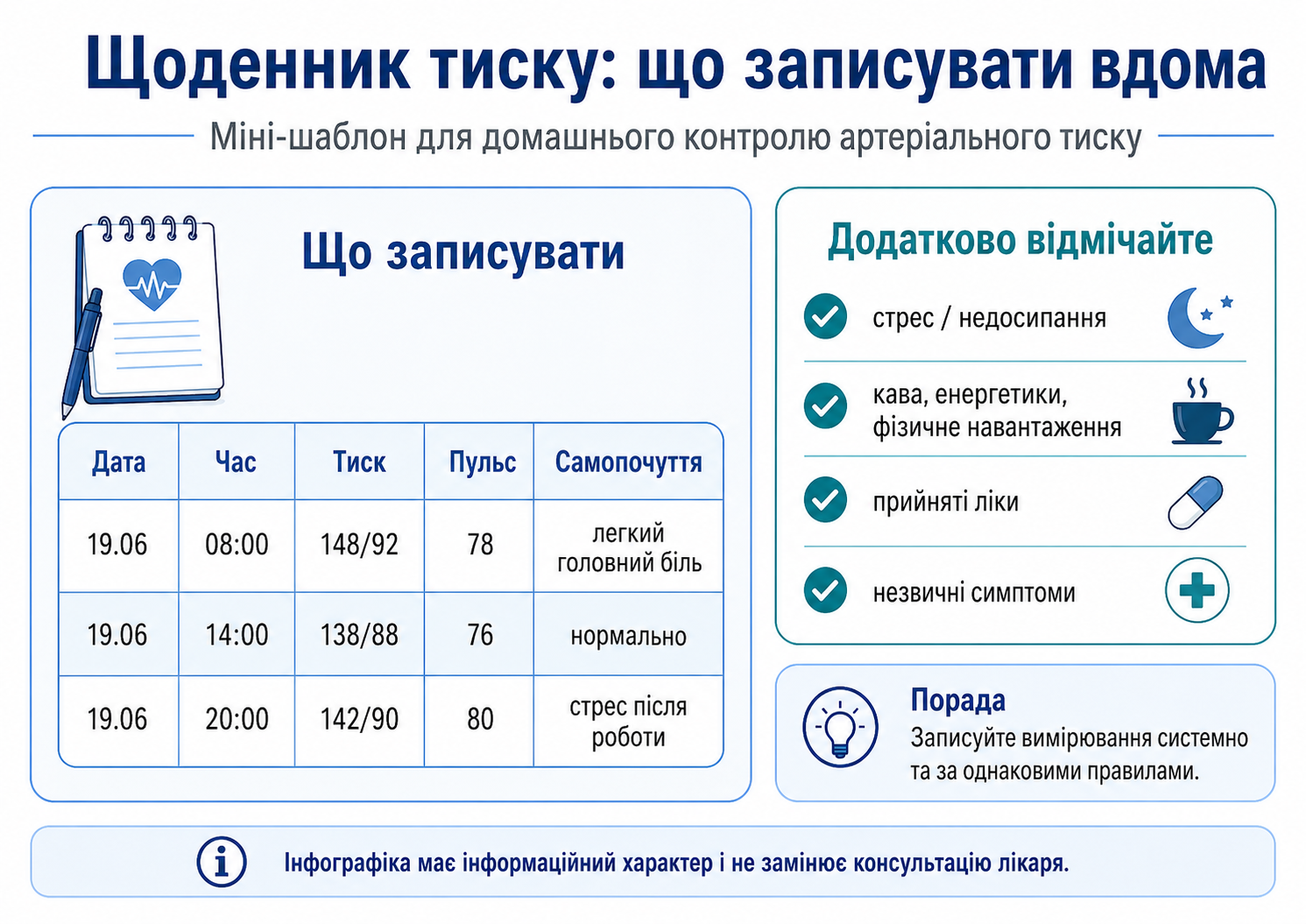
Keep a blood pressure diary: record the date, time, readings, pulse, well-being, stress, tonic drinks, physical activity, and medications you have taken. With these records, consult your family doctor or cardiologist. The doctor will assess the situation and determine whether additional examinations or treatment are needed.
If you feel unwell
If dangerous symptoms appear at a pressure of 150/90 or higher, which we describe in detail below in the section on calling an ambulance, urgent medical attention is required.
In such situations, it is not the speed of self-lowering blood pressure that is important, but timely medical assessment. Home methods should not replace the help of specialists when the condition looks dangerous.
What to do with high blood pressure at home before consulting a doctor
Before consulting a doctor, you can take only safe steps that do not replace treatment. Sit or lie down in a comfortable position. Provide access to fresh air, loosen tight clothing, do not panic, and do not make sudden movements.
Repeat the measurement according to the rules. Record your readings, heart rate, time, and well-being. Prepare a list of medicines you are already taking, including over-the-counter medicines, tinctures, sedatives, and supplements.
Calm breathing can help reduce anxiety, but it should not be treated as a method of treating hypertension. If high numbers are repeated, you need to contact your doctor. If there are dangerous symptoms, which we describe in detail below in the section on calling an ambulance, emergency help is required.
When you need to call an ambulance
Seek emergency medical attention immediately if high blood pressure is accompanied by chest pain, shortness of breath, severe or unusual headache, speech disturbance, weakness or numbness of the arm, leg, or face, visual disturbances, confusion or loss of consciousness, seizures, vomiting, or suspected stroke or heart attack.
If the pressure is about 180/120 mm Hg or higher when re-measured, an urgent assessment is required. With such numbers and dangerous symptoms, it is important not to postpone seeking emergency help.
What to do before the ambulance arrives
Until the ambulance arrives, provide the person with a calm position. Stay close, especially if there is weakness, confusion, chest pain, or speech disturbances.
Prepare a list of medicines that the person is taking and records of blood pressure measurements. It is better to avoid alcohol, tonic drinks, active walking, exercise, or hot baths. Before the doctors arrive, focus on those medicines and actions that were prescribed by the doctor earlier.
What not to do with high blood pressure
With high blood pressure, it is important to avoid a sharp decrease without a doctor. Lowering it too quickly can be dangerous, especially for people with chronic hypertension, cardiovascular disease, or impaired blood supply to organs.
Antihypertensive drugs should be taken as directed. What helped another person may not be right for you because of other illnesses, dosages, drug interactions, or contraindications.
It is better not to use alcohol, coffee, or energy drinks “to make it easier”. With very high blood pressure, you should also avoid a hot bath, warming up, intense physical activity, and independently combining several medicines or tinctures. Chest pain, shortness of breath, speech disturbances, numbness, weakness, or changes in vision are a reason for urgent medical evaluation.
Why does blood pressure rise?
An increase in blood pressure can be associated with various factors. Among them are stress, lack of sleep, excess salt in the diet, excess weight, bad habits, alcohol, inactivity, heredity, and age.
Blood pressure can also rise with kidney disease, endocrine disorders, sleep apnea, pain, anxiety, or while taking certain medicines. But one factor does not always explain the whole situation. If high blood pressure recurs, you should not guess the cause but consult a doctor.
Can blood pressure rise from stress?
Yes, stress and nervous tension can temporarily affect blood pressure. But repeated elevated readings cannot be attributed only to “nerves”. If blood pressure often rises, a measurement diary and a doctor’s consultation are required.
If the increase in blood pressure is associated with stress, nervous tension, or sleep disturbances, the doctor may consider herbal sedatives. Motherwort tincture has appropriate indications in the instructions, in particular with increased emotional excitability, neurocirculatory dystonia of the hypertensive type, and the initial stages of arterial hypertension. But this is not a means to quickly “knock down” blood pressure and not a substitute for treatment prescribed by a doctor.
Since alcohol tinctures contain ethanol, they have contraindications and precautions. Motherwort tincture should not be used without taking the instructions into account, in particular in conditions where the medicine is contraindicated, as well as due to possible interactions with sedatives, hypnotics, antihypertensive drugs, cardiac glycosides, and alcohol.
Is it possible to bring down blood pressure with tinctures?
Tinctures are not a way to quickly “bring down” blood pressure. This is important because the query “what to drink from high blood pressure” often pushes people toward decisions without medical assessment, and with hypertension, it is better to act according to the plan drawn up by the doctor.
Herbal remedies can have a sedative or auxiliary effect for individual indications, but they do not replace antihypertensive therapy, are not first aid for a hypertensive crisis, and should not be considered an emergency way to lower blood pressure.
Alcoholic herbal tinctures contain ethanol, so they have additional warnings and risks of interactions. Uncontrolled combination of alcohol tinctures with blood pressure medications, heart medications, sedatives, or hypnotics can alter their effect or increase the risk of side effects. If the pressure rises again, a doctor’s consultation is required. If the pressure is very high or there are dangerous symptoms, emergency help is required.
How to control blood pressure and prevent recurrence
Blood pressure control is not only measurement, but also regular work with risk factors. But lifestyle changes are not a substitute for a doctor if high readings are already recurring or hypertension is diagnosed.
Reduce salt and control weight
Excess salt can contribute to high blood pressure. It is worth reducing the amount of salty foods, sausages, snacks, canned food, salty sauces, and ready meals with a high sodium content.
Weight control is also important for the heart and blood vessels. Even a moderate reduction in excess weight can reduce the burden on the cardiovascular system. But any drastic diets or restrictions are best agreed with your doctor, especially in chronic diseases.
Regular physical activity
Moderate physical activity supports the cardiovascular system. It can be walking, swimming, light cardio, or other types of movement that are suitable for health reasons.
If hypertension has already been diagnosed or blood pressure is often high, exercise intensity must be agreed with a doctor. It is better to start hard workouts when blood pressure is controlled and the state of health allows you to safely perform the load.
Sleep and stress control
Regular sleep, a stable daily routine, walks, rest, breathing practices, and relaxation can be part of maintaining a healthy lifestyle. But they should not be presented as treatment for hypertension.
If there is irritability, nervous tension, or sleep disturbances against the background of stress, the doctor may recommend sedatives as part of an auxiliary approach. Valerian tincture can be used in this case not as a medicine to lower blood pressure, but as a remedy for functional disorders of the nervous system and sleep according to the instructions.
Valerian tincture contains ethanol, can affect the reaction rate, and interact with cardiac, sedative, hypnotic, analgesic, and antispasmodic medicines. Before use, you need to read the instructions and consult your doctor.
Palpitations against the background of stress: when you should not write everything off as nerves
If nervous tension is accompanied by palpitations or a feeling of interruptions in the work of the heart, you should not automatically attribute it only to “nerves”. Such symptoms can have various causes and need to be assessed, especially if they are repeated.
After consulting a doctor, remedies for functional disorders of the cardiovascular and nervous systems, in particular Cardioviol, can be used according to indications. If dangerous symptoms appear, which we described in detail in the section on calling an ambulance, emergency help is required.
Home blood pressure diary
A home diary helps the doctor see not one random indicator, but dynamics. Record the date, time, blood pressure, pulse, well-being, medications taken, stress, tonic drinks, physical activity, or poor sleep before the measurement.
It is not necessary to measure blood pressure continuously all day if the doctor has not given such recommendations. Excessive control can increase anxiety. It is better to take measurements systematically and according to the same rules.
Other
To prevent repeated increases in blood pressure, it is important to limit alcohol, quit smoking, control cholesterol and glucose, follow the treatment plan that your doctor has drawn up, and undergo preventive examinations.
If treatment has already been prescribed, follow the regimen agreed with your doctor. Even if blood pressure has improved, the decision to change the dosage or stop taking medicines should be made by the doctor.
Conclusion
High blood pressure cannot be judged solely by well-being. A person can feel normal even with elevated numbers, so it is important to measure blood pressure correctly and record the results.
At 150/90, you need to repeat the measurement, assess the symptoms, and consult a doctor if the readings are repeated. With very high blood pressure or dangerous symptoms, emergency help is required.
Herbal remedies can be mentioned only according to indications and only in the context of stress, sleep, or functional complaints. They are not a way to bring blood pressure down quickly, do not replace antihypertensive treatment, and should not be used as first aid for a dangerous increase in blood pressure.
Frequently Asked Questions
What does high lower pressure mean?
Lower pressure is the diastolic reading. If it is repeatedly elevated, the situation should be evaluated by a doctor, even if the upper pressure is not very high.
Is 150/90 pressure dangerous?
A pressure of 150/90 is not normal and needs to be monitored. If it recurs, consult a doctor. If you experience the dangerous symptoms described in the section on calling an ambulance, emergency help is required.
What to do at 150 to 90 at home?
Sit quietly, repeat the measurement after 5–10 minutes, and write down the readings. For medicines or tinctures, follow your individual doctor’s prescriptions.
Can you lower blood pressure without pills?
Lifestyle changes can help control blood pressure in the long run. But if blood pressure rises again, you need to consult a doctor.
Can blood pressure be lowered drastically?
It is dangerous to drastically lower blood pressure without a doctor. This can impair the blood supply to the brain, heart, and other organs.
Can I drink coffee with high blood pressure?
If blood pressure is already high, it is better to limit tonic drinks. If blood pressure rises regularly, discuss this with your doctor.
Can you take someone else’s blood pressure pills?
Blood pressure medicines should be selected individually. Other people’s medicines may not be suitable in dosage, contraindications, or interactions with other drugs.
Is it possible to use herbal tinctures for high blood pressure?
Tinctures are not a way to quickly lower blood pressure. They can be used only according to indications and after consulting a doctor.
Can tinctures be combined with blood pressure medication?
You should not combine tinctures with blood pressure medicines without consulting a doctor. Alcohol tinctures can interact with antihypertensive, cardiac, sedative, and hypnotic medicines.
Pressure 150/90 — when to see a doctor, and when to call an ambulance?
See a doctor if 150/90 is repeated. Call an ambulance if dangerous symptoms appear, as described in detail in the section on calling an ambulance.
References
- State Expert Center of the Ministry of Health of Ukraine. Arterial hypertension: clinical guideline and unified clinical protocol (https://www.dec.gov.ua/mtd/arterialna-gipertenziya-2/).
- WHO. Hypertension. Fact sheet (https://www.who.int/news-room/fact-sheets/detail/hypertension).
- Measuring Your Blood Pressure (https://www.cdc.gov/high-blood-pressure/measure/index.html).
Author: Natalia Kandybey, Candidate of Pharmaceutical Sciences, Quality Director of PJSC Pharmaceutical Factory “VIOLA”